
The Science of Movement: Dance and Longevity in Seniors
As people age, maintaining physical health can become a challenge. One of the most effective ways to promote health is through movement, particularly dance. Dance is not merely a form of entertainment; it represents a powerful therapeutic tool that fosters physical, mental, and emotional wellness. Studies suggest that engaging in dance may lead to longevity benefits among seniors. Regular participation in dance activities contributes to improved cardiovascular health, balance, and strength. Importantly, dance stimulates social interaction, which has profound implications for mental wellbeing. According to research, seniors who embrace dance experience enhanced mood and cognitive functioning due to the social engagement it inspires. The rhythmic nature of dance requires physical coordination, which can enhance neurological connections in the brain. Moreover, the arts provide a canvas for self-expressive freedom that traditional exercise often lacks. The joy of movement in dance transcends age barriers, appealing to various physical abilities. Thus, incorporating dance into the lives of seniors can be a transformative strategy for promoting healthy aging and enhancing quality of life.
Physical benefits of dance are evident as it involves a series of bodily movements that improve flexibility and strength. Participating in dance classes designed for older adults can assist in preserving range of motion in joints. Activities such as ballroom or line dancing provide a gentle yet effective way to stay active. These enjoyable practices also help in maintaining muscle tone and improving coordination, reducing the chances of falls, a significant concern for seniors. Furthermore, engaging in dance promotes cardiovascular health by increasing heart rate and blood circulation. The movement associated with dancing therefore plays a protective role against chronic conditions like heart disease. Beyond physical improvements, dance also has mental health implications. The need to learn choreography and remember steps stimulates cognitive functions, which can decline with age. Dancing not only engages the body but also exercises the mind, contributing to better cognitive aging. Additionally, the element of music enhances the overall experience, with any enjoyable rhythm positively impacting mood. As a result, dance nurtures an environment of fun, laughter, and playfulness among participants.
Mental and Emotional Wellbeing through Dance
Engaging in dance fosters strong emotional ties and forms of expression, essential for mental health in seniors. Research showcases how participation in dance can diminish feelings of loneliness and isolation, which are prevalent among older adults. This cultural art form nurtures a sense of community and belonging as dancers engage and connect not just with peers but also their instructors. The rhythmic movements combined with music create a safe space for emotional release and catharsis. They permit individuals to convey feelings that might otherwise remain unexpressed. Furthermore, dance becomes a platform for stimulating creativity, allowing seniors to explore their artistic sides. Enhanced self-esteem flourishes as they experience personal growth through mastering dance movements and connecting with music. Through these shared experiences, friendships often blossom, creating support networks crucial for emotional resilience. Notably, as seniors share their stories through dance, they cultivate a deeper understanding of their life’s journey, enhancing their reflective capacities. Over time, this process of expression can significantly reduce anxiety, leading to an overall uplifting experience.
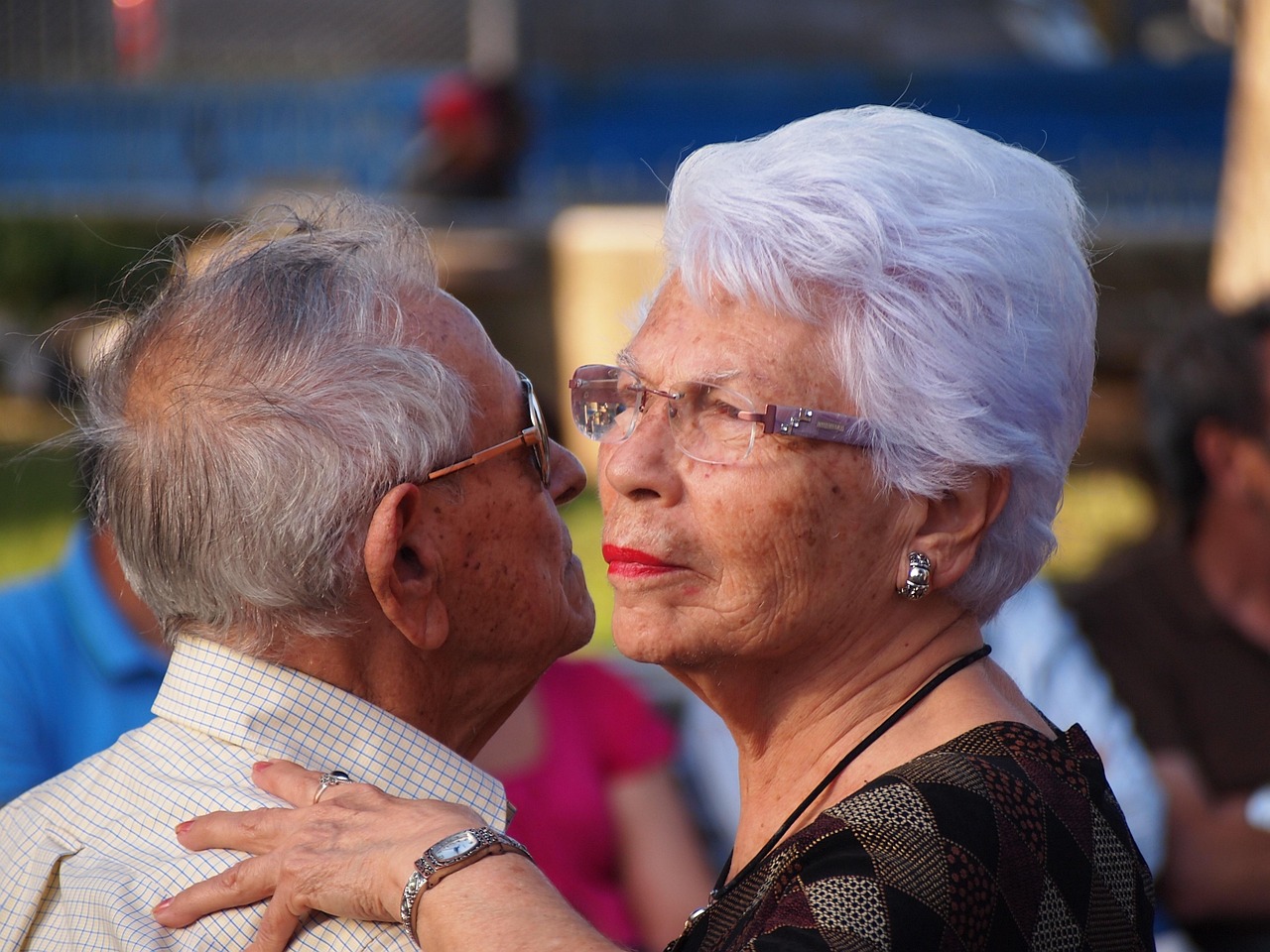
The social aspect of dance is vitally important in combating loneliness among seniors. Many forms of dance require participants to partner up, which naturally fosters connection and builds relationships. This sense of belonging can have a considerable impact on mental health. Social interactions during dance classes or club meetings add joy and laughter, essential for fighting depression. Many older adults find their experiences in dance groups rewarding, forming friendships that extend beyond the class. Additionally, local community centers often offer dance events targeted at seniors, promoting inclusivity and engagement. This not only encourages regular participation but also strengthens community ties. Furthermore, the excitement surrounding performances and showcases can instill a purpose and sense of accomplishment among participants as they prepare and perform. These activities allow seniors to contribute to community events, enhancing their sense of pride and relevance. Thus, providing opportunities for socialization through dance forms an invaluable resource in creating healthier, more fulfilled lives for older adults. Ultimately, dance not only entertains but also heals, encouraging a vibrant life in the senior years.
Incorporating Dance into Daily Life
Integrating dance into the daily routine of seniors is achievable and can play a pivotal role in their wellness. It starts with simple actions, such as attending dance classes or even dancing at home to favorite tunes. Many online platforms offer dance tutorials tailored for seniors, making it accessible regardless of skill level. Moreover, dance can be a delightful way to bond with family members and friends who join in on the fun. Organizing dance parties is also a wonderful way to promote physical activity while celebrating special occasions. In their own living spaces, the creative choice of music can motivate movement and encourage improvisation. By dedicating time for weekly dance sessions, seniors can establish a healthy habit that fosters consistency. Whether in the established dance floor at a community center or one’s living room, the focus should be on enjoyment, not just exercise. Nevertheless, adaptive challenges should be considered to keep classes inclusive and supportive of varying abilities. Over time, these elements lead to a lifestyle filled with movement and connection, reinforcing health and vitality among older adults.
Research continually emphasizes the impact of dance on improving cardiovascular fitness, mental health, and overall quality of life. Understanding these benefits allows caregivers and family members to encourage seniors to dance more. It is essential to celebrate the fact that senior dance classes are often not competitive, but more about enjoyment and connection. Participating in dance is a celebration of life that showcases resilience and adaptability as individuals age. Fitness experts suggest seniors explore various dance styles to keep their interest alive, from salsa to ballroom dancing. This variety ensures movement remains fresh and engaging while harnessing different muscle groups and skills. Dance strides ahead as an inclusive exercise option, welcoming seniors regardless of physical capacities. Furthermore, the presence of a supportive instructor can significantly enhance the experience, ensuring participants feel comfortable and confident. Therefore, dance should be recognized as a legitimate and vital component of healthy aging strategies. The social, emotional, and physical benefits make it a multifaceted approach to enabling longevity and well-being among seniors.
Conclusion: Embracing Dance as a Longevity Tool
The embrace of dance holds the key to unlocking a healthier and enriching lifestyle for seniors. Not only does it make physical exercise enjoyable, but it allows for artistic expression and community building. The overall benefits of dance manifest visible impacts on mental and emotional wellbeing, promoting cognitive engagement and counteracting loneliness. The power of rhythm, music, and movement can significantly uplift spirits while enhancing strength and flexibility. Recognizing dance as a medium fosters connections among seniors while serving as an exercise that’s both effective and fun. Community resources that promote dance classes must be actively sought out and utilized, ensuring all seniors experience these advantages. Crucially, promoting an active lifestyle through dance will pave the way for a more vibrant and engaged senior community. It enables individuals to explore their potential beyond the constraints of aging. All efforts invested in incorporating dance into their daily lives will reap rewards in the long run, leading to increased longevity. Thus, embarking on this journey of movement and joy empowers elderly individuals, reinforcing the notion that age is merely a number, not a limit to one’s ability to enjoy life.