
The Science Behind Technology-Assisted Cardiovascular Training
Cardiovascular training is integral to maintaining heart health and improving overall fitness. In recent years, technology has revolutionized this sector, allowing individuals to achieve their fitness goals more effectively. From wearable devices that monitor heart rates to advanced app-based tracking systems, technology offers tailored programs aligned precisely with user needs. These innovations not only enhance workout efficiency but also contribute to long-term health outcomes. Moreover, data obtained through these devices can help fitness enthusiasts and professionals gauge performance, providing insights into personal cardiovascular strengths and weaknesses. Over time, data-driven adjustments can maximize workout effectiveness while minimizing injury risk, an important aspect of fitness regimens. Beyond personal trainers and gyms, technology enables access to vast online resources and communities that share tips, techniques, and motivation. As cardiovascular health becomes a higher priority, understanding the implications of technology in training programs is essential. A closer examination reveals how technology enables users to monitor heart health proactively, ensuring a more scientific approach to cardiovascular exercise. The evolution of technological resources enhances user loyalty, as people appreciate a structured, personalized training process that evolves with them.
The range of technological tools available for cardiovascular training is continually expanding. Users can select devices from heart rate monitors to advanced smartwatches equipped with numerous features. Many of these devices provide real-time feedback, allowing individuals to adjust their workouts as needed. For example, a sudden spike in heart rate can alert the user to slow down, ensuring safety during intense activities. Moreover, fitness apps offer features such as personalized workout suggestions based on the information they gather. Such data-driven methodologies enhance motivation and adherence to workout regimens, which are critical factors in achieving long-term fitness success. By creating customized training plans, users are encouraged to stay engaged, facilitating progress tracking over time. In addition to physical fitness, these technologies foster competition among peers, as many users share their progress through social media and specialized platforms. This competitive angle is known to improve commitment and creates an environment where individuals can support each other on their journeys. Integrating technology in cardiovascular training helps to balance effort and recovery, essential components of a sustainable fitness program. Users increasingly find joy and fulfillment in using tools designed specifically for comprehensive cardiovascular development.
The Role of Wearable Technology
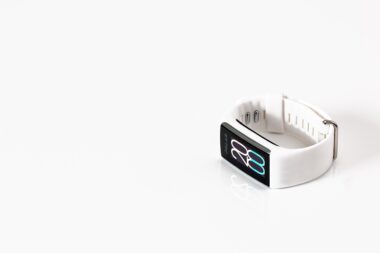
Wearable technology has emerged as a game-changer in cardiovascular training, offering real-time data and personalized insights. This segment includes various devices such as fitness trackers, heart-rate monitors, and smartwatches. Each device typically functions to track vital metrics, including heart rate, calories burned, and steps taken. Fitness trackers have surged in popularity due to their ease of use and functionality, and they support numerous activities, from running to cycling. Smartwatches take it a step further, integrating technologies that connect users with their smartphones while boosting motivation through app connectivity. Many wearable tools also provide reminders to stand, stretch, or hydrate, promoting an active lifestyle beyond just exercise. Additionally, fitness-focused wearables often include custom algorithms that can predict user performance, thus optimizing workout intensity. As they gather more information, wearables adapt to users’ habits, recommending adjustments based on past performance. This level of connection not only aids in maximizing efficiency but also fosters accountability and encourages goal achievement. Furthermore, some devices even feature aspects like guided breathing techniques to enhance recovery. With advancements continuing to emerge, the potential benefits of wearables in cardiovascular fitness are vast.
Technological innovations extend beyond tracking and monitoring; they encompass social connectivity, which enhances motivation. Fitness applications enable users to connect with friends, family, and a broader online ecosystem of health-conscious individuals. Features such as sharing workout data and completing challenges propel motivation levels to new heights. This sense of community is critical, as it significantly influences commitment and ongoing participation in cardiovascular training. Users experience accountability when they share their goals or achievements with peers, driving them to stay engaged. Many platforms host challenges that encourage healthy competition while fostering camaraderie among participants. By integrating this socially interactive facet, individuals can find support and encouragement from those on similar fitness journeys. These community aspects cater to varied preferences, allowing everyone to find their niche within a greater social structure. Furthermore, many applications feature a marketplace of content where users can discover new workout routines or instructional videos to keep their training fresh. This endless variety ensures that cardiovascular training remains exciting and dynamic, further solidifying the role of technology in enhancing personal fitness journeys. Users can embrace these offerings to showcase accomplishments and remain consistent in their training routines.
Data Analytics and Personalized Training Plans
Data analytics underpin many benefits of technology-assisted cardiovascular training. As wearables and applications compile user data, they create a rich trove of information that can guide future training plans. By analyzing metrics over time, these tools identify trends, preferences, and areas needing improvement. Such in-depth insights allow for creating personalized training plans that evolve with individual fitness levels. Importantly, having tailored plans contributes significantly to achieving specific fitness goals, whether weight loss, endurance building, or enhanced cardiovascular health. Advanced analytical platforms review user input and historical data to recommend adjustments, ensuring a thoughtful approach to pushing limits without risking injury. These algorithms are continually refined, benefiting from user interaction and feedback. As users input their objectives, the suggestions become increasingly personalized, enhancing their training experience. Additionally, long-term tracking of user data can reveal insights into how certain factors, such as sleep patterns and nutrition, influence performance. This comprehensive visibility into personal health data equips users with the tools they need to take charge of their fitness journeys. With technology’s continued integration, users are empowered to optimize their cardiovascular training like never before.
The mental aspect of cardiovascular training is frequently overlooked, but technology provides substantial support in this area. Mindfulness and mental toughness are crucial for achieving fitness goals, particularly during challenging workouts. Many fitness applications now incorporate features promoting mental focus, such as guided meditation or breath work, alongside physical training plans. These elements not only enhance motivation but also improve overall workout effectiveness, as mental readiness plays a significant role in physical performance. Some platforms offer uplifting podcasts or playlists tailored to energize users during their workouts, fostering a positive mindset. Beyond just workouts, engaging in community forums focuses on mental challenges and obstacles, creating a space for shared experiences. As individuals progress in their cardiovascular journeys, discussing both physical achievements and mental barriers becomes vital. This holistic approach to cardiovascular fitness cultivates a balanced perspective and empowers users through technology. The inclusion of mental exercises enhances resilience while engaging users at multiple levels. Well-rounded training programs that target both physical and mental components maximize users’ overall wellness and well-being, emphasizing that training is as much about mindset as it is about physical exertion.
Conclusion: The Future of Technology in Cardiovascular Training
As technology advances, its role in cardiovascular training is expected to increase exponentially. Future developments may include more advanced AI algorithms that continually adapt to user performance, creating an even more personalized training experience. Additionally, improvements in virtual reality fitness could provide immersive workout experiences, making traditional cardiovascular training more engaging and interactive. Users might also benefit from more sophisticated health monitoring tools that predict potential health issues before they arise. This proactive approach to fitness can revolutionize how individuals train, promoting preventive care and well-being. Moreover, as networks of connected devices become more widespread, individuals may receive comprehensive insights into their overall health, beyond just fitness metrics. Envision future cardiovascular programs that integrate nutrition, sleep, and activity data seamlessly for holistic wellness. These trends indicate a remarkable shift towards using technology not only as a tool for fitness but also as an ally for healthier living. Ultimately, embracing technology’s role in cardiovascular training promises a future where individuals can pursue their health and fitness goals more efficiently than ever before. The fusion of cardiovascular exercise with technology heralds an exciting era of enhanced physical well-being.
With technology continuing to reshape cardiovascular training, the emphasis on research and development remains paramount. The ongoing exploration of how innovative tools impact athletic performance or user motivation will drive the next wave of advancements. Researchers and developers alike are focused on understanding the best practices for utilizing data, ensuring that applications and devices foster meaningful user engagement. In addition, ethical considerations concerning data privacy and security must be addressed as these technologies become more integrated into daily life. Establishing trust between users and their fitness technologies will be essential to ensure widespread adoption and success. The landscape of cardiovascular training will undoubtedly evolve as public awareness regarding heart health increases, thus promoting further integration of technology. As more individuals invest in their cardiovascular health, the demand for innovative training solutions will grow, driving collaboration among experts in health, fitness, and technology. The future promises enhanced accessibility to cardiovascular training methods tailored to diverse individuals. As a result, technology will not only change how exercise is viewed but also enhance the overall quality of life for countless individuals. People, fitness communities, and health industry professionals will undoubtedly reap the benefits of these technological advancements.