
The Impact of Stress on Recovery: Tips for Triathletes
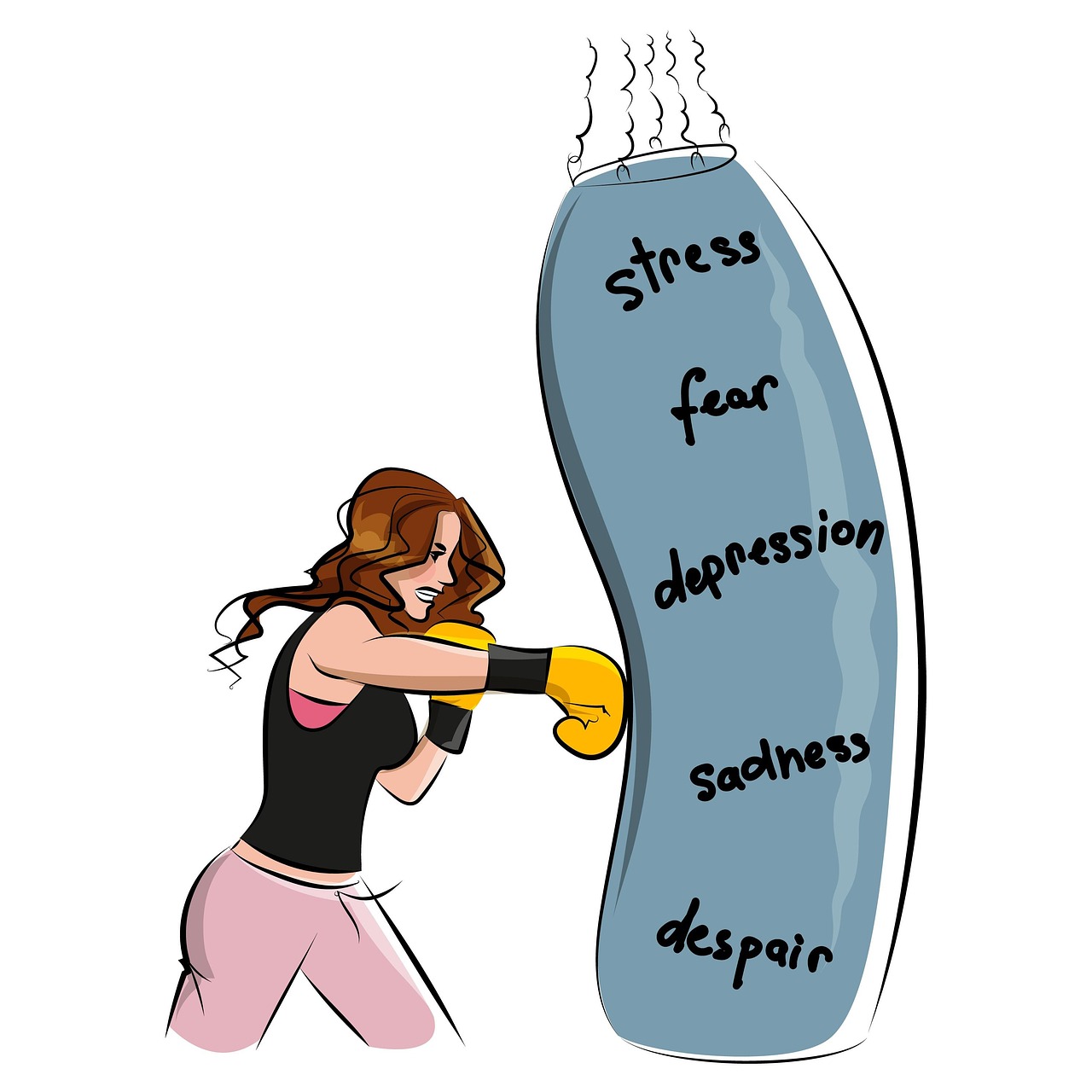
Stress can significantly affect recovery in triathlon training, impacting both physical and mental well-being. Triathletes need to recognize that stress comes from various sources, including physical training, work, and personal life. Physical stress, such as rigorous training, can deplete energy reserves and compromise recovery efficiency. Mental stress, on the other hand, can distract from focus and hinder motivation. When assessing stress levels, it is essential to monitor your responses to new challenges, ensuring adequate recovery time is factored into pre-training routines. Stress management techniques should be part of every athlete’s strategy. Suggested practices may include mindfulness, yoga, and deep breathing exercises. Effective nutrition plays a crucial role in supporting recovery during stress-heavy periods. Focusing on nutrient timing with pre- and post-workout meals can help replenish energy levels. Establishing a sleep hygiene routine is vital for effective recovery, considering that quality sleep can enhance both physical and mental resilience. Hence, understanding the dual impact of stress on recovery will set the foundation for improved performance and prevent burnout in triathlon training. Remember, recovery is not just about rest; it involves holistic lifestyle management to optimize your training outcomes.
Recognizing the role of nutrition is essential in enhancing recovery. Triathletes often overlook how nutrient-rich foods can combat the effects of stress. Emphasizing a balanced diet filled with fruits, vegetables, lean proteins, and healthy fats is a foundation for recovery. Consuming carbohydrate-rich meals post-training aids glycogen replenishment, vital for recovery periods. Also, hydration cannot be neglected; adequate fluid intake facilitates nutrient transport and overall well-being. Certain supplements, like omega-3 fatty acids and antioxidants, can mitigate inflammation and oxidative stress caused by strenuous training sessions. Trial-and-error with supplements should be done under guidance, ensuring compatibility with personal dietary needs. Additionally, caffeine’s effects on recovery can either positively or negatively impact athletes depending on its timing. Regularly recording dietary habits and their corresponding effects on energy levels can provide insight into optimizing nutritional strategies. Creating a personalized nutrition plan may involve consulting with sports nutritionists capable of framing guidelines tailored to your needs. This will ensure nutrient intake is not merely reactive but strategically allows your body to regain strength in training times. In summary, a sound nutritional foundation, paired with stress management, will create the perfect environment for recovery.
Understanding Recovery Modalities
Many modalities exist that can assist triathletes in recovery. These methods range from active recovery strategies to passive methods that promote rest and relaxation. Active recovery can include light cycling and swimming, helping to keep blood flowing without putting added strain on muscles. Techniques such as foam rolling and massage therapy can break up muscle knots and enhance circulation. Passive recovery, on the other hand, focuses on complete rest, which is equally crucial after heavily demanding training sessions. Innovations in recovery, like cryotherapy and infrared saunas, showcase advances in aiding muscle recovery. However, every athlete must find what best suits their body. Engaging in proper stretching routines post-workout prevents stiffness and enhances flexibility. Lifestyle factors, including scheduling regular downtime, will optimize recovery regardless of modality used. Maintaining consistency in implementing these recovery techniques over time also enhances overall adaptability to training loads. Recovery should be regarded not merely as a post-training afterthought but as an integral part of any triathlete’s regimen. Through proper assessment and the application of preferred recovery modalities, athletes can significantly improve their performance while minimizing injury risks on their journeys.
Stress management through mental practices can be just as vital as physical recovery strategies. Techniques like visualization, positive affirmations, and meditation should be integrated into training routines. Visualization includes imagining race-day scenarios, which fosters readiness for environmental stressors. Positive affirmations can help motivate and reinforce self-confidence, especially when fatigue sets in. Creating a mental toolkit enables triathletes to combat negative thoughts and fatigue during demanding situations. Regularly practicing these techniques can develop mental resilience and provide coping mechanisms in race environments. Furthermore, engaging with like-minded individuals, such as training partners or coaches, can provide emotional support. Experience sharing helps individuals gain valuable insights and mitigate feelings of isolation during training. Journaling can serve as an excellent tool for self-reflection, offering concrete measures of stress levels, progress, and setbacks. Documenting challenges and breakthroughs in training builds a deeper understanding of stress patterns and individual responses. Investing time in cultivating mental resilience enables triathletes to face stress head-on, leading to improved recovery experiences. Therefore, integrating mental practices fosters a healthier approach to training and nurtures overall success in the triathlon discipline.
Establishing a Routine for Success
Formulating a structured routine is essential for maximizing recovery and performance. Developing both a training and recovery schedule helps to maintain balance while ensuring necessary recovery periods are adhered to. Consistency in bedtime and wake time can significantly enhance sleep quality, optimizing recovery. Establishing a dynamic warm-up and cooldown approach can also create a buffer that promotes effective muscle transition from training. Some triathletes benefit from integrating periodization into their training, allowing for recovery-focused training phases. Creating a plan that emphasizes varied intensity levels supports adaptation and minimizes overtraining risks. Planning recovery days into the training cycle leaves room for regrouping both physically and mentally. Time spent reflecting on plans and receiving feedback from coaches or peers can offer fresh perspectives on necessary adjustments, thus enhancing recovery strategies. Logical progressions and patterns can encourage athletes to listen to their bodies and build awareness of stress and fatigue, guiding them in making informed decisions. Ultimately, an established routine supports successful training outcomes and fosters resilience against stress challenges faced by triathletes.
As with any athletic undertaking, avoiding burnout is essential for longevity in triathlon training. Injuries and fatigue can originate from unmanaged stress levels, compromising performance. Maintaining an open dialogue about feelings of overwhelm with coaches or peers can help strategize for resolution. Recognizing the symptoms of burnout, such as decreased enthusiasm, constant fatigue, and a waning interest in training, is vital. Implementing specific strategies can also facilitate breaking the cycle of burnout, including taking scheduled breaks, discovering new training routes, or switching up workout types. Participation in non-triathlon-related activities or indulging in hobbies assists in diverting focus away from strenuous training. Exploring different modalities can reignite passion and stimulate motivation. Additionally, prioritizing hobbies reignites joy and purpose outside of triathlon training. Burnout is often a product of neglecting overall well-being, leading to dissatisfaction. Investing in regular downtime and communicating needs with peers fosters an environment of collective recovery support. Through acknowledging the potential for burnout and implementing necessary preventative measures, triathletes can sustain engagement and performance over time. Longevity in sport requires nurturing both physical and mental health while prioritizing an athlete-centered approach.
Conclusion on the Importance of Balance
Balance is the underlying theme in the recovery process for triathletes. Finding harmony between stress, training demands, rest, and nutrition is essential for achieving peak performance. As triathletes learn to navigate the complexities of their physical and mental demands, building a sustainable approach grows in importance. Structured recovery periods allow adequate time for rest alongside active training days, creating a cyclic pattern for peak progression. Monitoring strategies for stress levels and recovery efficacy can result in a more attentive approach towards one’s overall well-being. The journey of a triathlete is a gradual process requiring patience, reflection, and adaptation to achieve optimization. Each individual’s experience is unique and evaluating personalized approaches will foster development in both skills and resilience. Engaging with various recovery techniques, nutrition guidelines, and mental training aids creates avenues for improvement. Acknowledging the need for rest as part of a triathlete’s life is paramount, as is committing to the mental and emotional aspects of training. Striving for balance will ultimately yield rewarding results in training and races. Remember that recovery serves as an ally, guiding triathletes towards enduring success in their athletic pursuits.