
Staying Fit in Your 40s: A Guide for Men
Entering your 40s can be a transformative time in a man’s life, particularly when it comes to fitness. At this age, men often notice changes in their metabolism, recovery time, and overall physical abilities. It’s crucial to adapt your fitness routine to meet these new demands. Embracing a balanced combination of cardiovascular exercises, strength training, and flexibility work is essential. Cardio activities such as running, swimming, or cycling help keep heart health in check and improve endurance. Strength training enhances muscle mass, which begins to decline due to aging. Additionally, incorporating yoga or stretching aids in maintaining flexibility and reducing injury risk. Each of these components plays a pivotal role in maintaining a healthy lifestyle. Being mindful of nutrition is equally important. A diet rich in lean proteins, healthy fats, and whole grains can significantly impact your fitness levels and overall health. Hydration too is crucial — water fuels all bodily functions. Establishing these habits in your 40s sets a strong foundation for many healthy years ahead.
Adapting Your Workout Routine
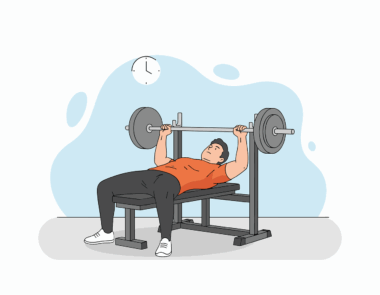
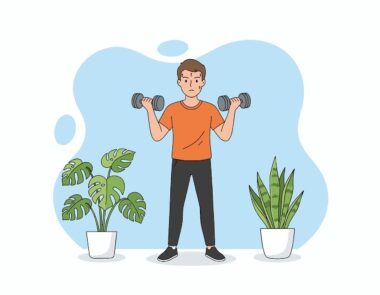
As you age, your workout routine should evolve. In your 40s, joint health becomes more critical, making it imperative to incorporate low-impact exercises. Activities like swimming, cycling, and elliptical training offer less stress on your joints while still providing cardiovascular benefits. You might also consider including bodyweight exercises, which are effective for building strength without the need for heavy weights. Incorporating resistance bands can add a level of versatility to your workouts while minimizing injury risk. Moreover, focus on compound movements that engage multiple muscle groups. Exercises like squats, lunges, and push-ups are fantastic for comprehensive strength training and enhancing functionality. Aim for at least two to three days of strength training per week, allowing for rest and recovery. Stretching should be a regular part of your routine to enhance flexibility and alleviate muscle tightness after workouts. If you’re unsure about where to start, don’t hesitate to consult with a fitness professional who can tailor a program specifically for you.
Nutrition plays a superb role. To stay fit and energized, men in their 40s should scrutinize their eating habits. Shift towards consuming whole, minimally processed foods high in nutrients. Adequate protein intake is vital for muscle repair and growth, so include lean sources such as chicken, fish, legumes, and nuts. Healthy fats from avocados, olive oil, and seeds support heart health and reduce inflammation. While carbohydrate intake is essential, focus on quality; opt for whole grains like quinoa, brown rice, and oats instead of refined options. Also, understand that portion sizes may need to be adjusted to account for changes in metabolism. A balanced diet fuels your fitness regime and supports overall well-being. Lastly, consider the timing of your meals. Eating smaller, more frequent meals can keep your energy levels stable throughout the day. Staying vigilant about your dietary choices can lead to better fitness outcomes and overall health as you navigate this decade.
The Importance of Recovery
Recovery is one aspect often overlooked yet hugely important. In your 40s, your body requires more time to recover from intense workouts due to reduced muscle elasticity, decreased bone density, and slower metabolism. Insufficient recovery can lead to fatigue, injury, and burnout. Prioritize sleep as one of the cornerstones of recovery. Aim for seven to nine hours each night, impacting hormone balance, muscle repair, and energy levels. Embrace active recovery days that incorporate lighter activities such as walking or gentle yoga to promote blood flow without stressing your system. Consider incorporating techniques such as foam rolling or massage therapy to aid muscle recovery further. Mindfulness practices, including meditation, can positively affect your recovery by reducing stress. Also, stay attuned to your body’s signals; if you feel excessively sore or fatigued, it may be worth taking an extra rest day. Balancing your training with adequate recovery allows for sustained progress and keeps you motivated.
Staying socially active can greatly enhance your fitness journey. Engaging in fitness classes or sports teams can provide both motivation and camaraderie. Online fitness communities have also gained popularity, encouraging participation and sharing experiences. Exercise with friends or family can imbue your workouts with fun while holding you accountable. This social interaction adds a mental boost that is just as important as physical fitness. Setting group goals, participating in charity runs, or joining community workout events can turn exercise into a rewarding experience. Moreover, surrounding yourself with like-minded individuals can foster a competitive spirit that motivates you to push past your limits, leading to better results. Assessing your progress together can serve as encouragement. Don’t neglect the immense value of community support in promoting a healthy lifestyle. Consider integrating social activities such as hiking or joining a local sports league. Remember that staying active is not just a solitary endeavor; it can be more enjoyable when shared with others.
Listening to Your Body
Understanding and listening to your body is crucial as you grow older. Pay close attention to any signals it sends you during and after workouts. Experience discomfort? It might be your body’s way of warning you against overexertion or improper exercise form. On a regular basis, evaluate your state, and adjust workouts accordingly. This might involve dialing down intensity or switching up exercise modalities to ensure you’re promoting longevity and overall joint health. It’s important to differentiate between fleeting soreness and persistent pain. If you experience persistent discomfort, consider consulting a healthcare professional to determine if there’s an underlying issue. Failing to heed warning signs may lead to injury, drastically affecting your fitness journey. It’s okay to take breaks as necessary; they are vital for healing and renewal. Incorporating days of inactivity or lighter exercise is a smart approach to avoid breakdown and burnout. Develop a mindset that embraces recovery as a fundamental component of your fitness regime.
Finally, prioritizing mental health is equally pivotal in your fitness journey. In your 40s, stress and life pressures can easily accumulate if you’re not careful. Your mental well-being heavily influences your physical condition, so creating a balanced approach is necessary. Engage in activities that nurture mental health—such as yoga, meditation, or spending time outdoors. Mindfulness practices can help in relieving stress and enhance your focus on your fitness goals. Consider journaling your thoughts or feelings, providing an outlet for stress that promotes self-reflection. Building mental resilience fortifies your ability to push through tough workouts or periods of low motivation. Set achievable fitness goals that challenge you but are still within reach to foster positivity in your journey. Celebrate small achievements along the way to maintain motivation. Surround yourself with positive influences while engaging in activities that bring joy. Remember, maintaining a fit body is just as much about cultivating a healthy mind as it is about physical workouts.
Embracing these lifestyle changes facilitates growth in all aspects of fitness. When you balance physical activity with healthy eating, recovery, social interaction, and mental health, achieving optimal fitness in your 40s is not only possible but enjoyable. The journey may require effort and dedication, but it will pay off as you reap the rewards of a healthier, more vigorous life. You might find your newfound strength in exceeding previous expectations, and your confidence will grow. Transitioning to this new phase of life comes with its challenges, yet with the right strategies in place, you can maintain your vitality and health. Staying fit is about consistency, balance, and adaptability. Establish a well-rounded fitness routine while remaining flexible to change as discovering what works best for you is key. Celebrate each milestone and ensure that every step taken is toward a happy and healthy lifestyle. With focus and determination, your 40s can be a thriving decade for health and fitness, leading to a lasting impact on your well-being in the years to come.