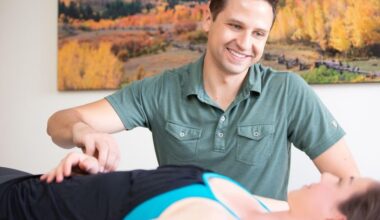

Standard Protocols for Assessing Bone Density in Fitness Settings
Assessing bone density is crucial in a fitness setting as it provides important insights into an individual’s bone health. Standard protocols ensure that the assessments are reliable and consistent. These protocols typically involve various methods, such as Dual-Energy X-ray Absorptiometry (DXA), Ultrasound, and Quantitative Computed Tomography (QCT). DXA remains the gold standard for measuring bone mineral density due to its accuracy and low radiation exposure. In fitness facilities, employing a standardized approach aids in tracking changes over time. This can be particularly beneficial for specific programs aimed at individuals at risk of osteoporosis or those engaged in intensive training. Consistent variables in testing, including time of day, hydration status, and equipment calibration, must be regulated. Furthermore, training staff to understand these protocols is essential; this ensures clients receive accurate results and guidance. Regular audits of these protocols can also enhance the quality and reliability of the assessments. In conclusion, standardized protocols for assessing bone density help professionals make more informed recommendations regarding exercise and nutrition for bone health.
Understanding Bone Density Assessment Tools
Bone density assessment tools vary significantly in their applications and accuracy. The most frequently utilized method for assessing bone density in fitness settings is the DXA scanner. This technology provides a comprehensive evaluation of bone density at various skeletal sites, offering pivotal data for fitness professionals. Other methodologies include peripheral DXA and ultrasound devices; they are portable but may lack the precision of full-scale DXA. While DXA is predominantly used in clinical settings, portable tools are suitable for gym environments. Fitness enthusiasts and personal trainers can benefit from integrating these assessments by providing insights into the effectiveness of training regimes. For instance, knowledge of baseline bone density can aid in selecting appropriate exercises to improve strength without risk. In addition, functional assessments that include strength tests can complement bone density evaluations, providing a more comprehensive view of an individual’s fitness level. Remembering that bone density alone does not dictate overall health—factors like nutrition, physical activity, and lifestyle choices also play a substantial role—is vital when developing fitness programs.
In fitness and health consultations, it is paramount that practitioners communicate assessment results clearly and concisely. This communication includes discussing bone density scores with clients in an understandable manner. Utilizing visuals, such as graphs or comparative data, can dramatically improve clients’ perceptions of their bone health and progress over time. The explanation should encompass the implications of their scores, addressing any potential risks associated with low bone density. Equally, setting realistic goals based on these assessments can motivate clients to engage more deeply in their fitness programs. For example, if a client’s bone density is lower than expected, this could prompt a conversation around modifying their workout regimen to include bone-strengthening exercises. Strength training, weight-bearing activities, and proper nutrition—particularly adequate calcium and vitamin D intake—should be emphasized as integrated solutions. Moreover, continually reinforcing the importance of follow-up assessments helps maintain client engagement and accountability. Ensuring that clients understand their assessments promotes a greater commitment to achieving their fitness goals, while empowering them to take actionable steps towards improving their bone health.
Establishing a Routine for Bone Density Monitoring
Establishing a routine for monitoring bone density can play a pivotal role in effective fitness programming. Frequent evaluations, ideally bi-annually or annually, ensure that clients are making progress. These intervals enable professionals to adjust fitness and health recommendations based on current data. Furthermore, during assessments, it is essential to collect additional parameters, such as weight and overall fitness levels, as these metrics can influence bone health. Offering a comprehensive evaluation will not only enhance the understanding of individual health but also motivate clients to stick to their fitness plans. Additionally, comparing historical data over time is vital for observing trends in clients’ bone density. Advanced analysis, including predicting future trends, can be uncovered with careful record-keeping. Implementing a bone health awareness campaign within the fitness facility can educate clients on the importance of maintaining optimal bone density. This campaign can include workshops, distribute educational materials, and organize group activities focused on exercises that enhance bone health. By fostering a culture of awareness, trainers can better engage clients while emphasizing the significance of bone density in their overall health pursuits.
Understanding factors that influence bone density is a key aspect of enhancing assessment accuracy. An individual’s lifestyle significantly impacts bone health; for instance, diet plays a crucial role. Calcium and vitamin D are vital nutrients essential for bone mineral density. Fitness professionals should encourage healthy dietary habits, ensuring clients have an adequate intake to support their training and overall health. In addition, engaging in weight-bearing exercises fosters stronger bones, making physical activity an integral part of maintaining optimal bone density. Genetics also play a role in an individual’s bone density; understanding this can provide further context to assessment results. Repeated assessments can help identify trends, especially as clients age. Moreover, certain medical conditions and medications can affect bone health, which should be discussed openly between clients and trainers. It is pivotal to take a holistic approach when assessing bone density to encompass all influencing factors. By nurturing discussion about these components, fitness professionals can empower their clients to adopt healthier habits that may improve bone density and overall health. Comprehensive assessments reflect the interaction of these various factors with the individual’s fitness journey.
Implementing Educational Programs
Implementing educational programs in fitness settings is crucial for raising awareness about bone health. Programs can cover several topics, including nutrition, exercises beneficial for bone health, and consequences of low bone density. This educational component encourages regular participation in bone density assessments, as it creates an informed clientele. Additionally, workshops can be organized to demonstrate proper weight-bearing exercises and strength training techniques tailored for different fitness levels. By incorporating guest speakers or experts in bone health, facilities can offer credible and engaging content. This fosters an environment that prioritizes preventative care and proactive health management. Programs should emphasize that enhancing bone density is a journey and requires consistency. Success can often lead to improved overall physical performance, further motivating participants. Providing take-home materials such as brochures or guides can reinforce educational efforts, leaving clients with information to review post-workshop. Furthermore, incentives for clients who actively participate in both educational sessions and subsequent assessments can promote attendance and engagement. Overall, a well-structured educational initiative enhances the commitment of clients towards their bone health, leading to better long-term fitness outcomes.
The integration of technology into bone density assessments holds great potential for the fitness industry. Emerging technologies, such as mobile apps and wearable devices, facilitate self-monitoring and engagement in personal health management. These tools allow clients to track their progress over time, providing valuable data to fitness professionals for customized recommendations. For instance, incorporating apps that provide education on nutrition can help clients make informed dietary choices that positively affect their bone health. Furthermore, keeping a digital record of assessments allows trainers to develop tailored fitness programs based on individual results. Integration of social features in these platforms can foster a supportive community among clients, encouraging them to motivate one another as they progress. Additionally, continuous feedback through these technologies offers immediate support and adjustments in fitness routines. Real-time analytics can enhance the understanding of client progress, enabling more dynamic fitness programming. Ultimately, leveraging technology in bone density assessments does not only streamline processes but also enhances accountability. This increased engagement strengthens the trainer-client relationship, creating a holistic approach to achieving optimal bone health and overall fitness.
In conclusion, implementing standardized protocols for assessing bone density within fitness settings is essential for effective health management. Ensuring that factors influencing bone density assessment are well understood allows fitness professionals to deliver reliable results. Educational programs and communication strategies strengthen client engagement, vital for overseeing ongoing health improvements. Routine assessments help track progress and motivate clients, while adopting technology can streamline monitoring processes. By fostering an environment focused on bone health, fitness facilities can enhance the effectiveness of training programs and encourage clients towards healthier lifestyles. The integration of a multidimensional approach, encompassing diet, exercise, and technology, solidifies a comprehensive framework for bone density management. Investing in continuous education for trainers equips them with valuable knowledge to guide clients successfully on their journeys toward improved bone health. Future developments should focus on innovation in assessment technology and educational initiatives. This collaborative effort between clients and fitness professionals will undoubtedly lead to better health outcomes. Ultimately, standardized protocols can significantly impact overall wellness, promoting a healthier populace aware of their bone health and the actions necessary to improve it.