
Meal Timing Tips for Functional Training Success
Timing meals as a functional athlete is crucial for optimizing performance and recovery. Eating too early or too late can significantly impact workout outcomes and energy levels. One key strategy is to plan your meals relative to your workouts, ensuring that you fuel your body adequately. A general recommendation is to eat a balanced meal containing carbohydrates, protein, and fats two to three hours before training. This allows your body time to digest, preventing any discomfort during exercise. Additionally, having a pre-workout snack can provide the necessary energy boost. Snacks like bananas or energy bars are ideal, consumed about 30 minutes before the session. Post-workout nutrition is equally critical. Consuming protein and carbohydrates immediately after exercising helps in muscle repair and replenishing glycogen stores. Aim for a meal or snack within 30 minutes after your workout. Staying hydrated before, during, and after workouts also plays a vital role in performance. Remember, individual needs may vary, so it’s essential to listen to your body and adapt timings that best support your functional training goals.
Another vital consideration for meal timing is understanding your own body’s reactions.
It’s essential to recognize how your body responds to various foods prior to exercise. Some individuals may experience digestive discomfort when consuming high-fiber or high-fat meals shortly before training. Consequently, trial and error will help refine your personal pre-exercise meal choices. You may want to experiment with different foods to determine what gives you optimal energy while minimizing gastrointestinal discomfort. Additionally, maintaining a food diary can give you insights into which meals work best for your performance. Don’t ignore the timing around rest days, either. Nutritional strategies on those days could be different because your energy expenditure might be lower. Balance becomes vital to avoid overeating or undereating, contributing to strength gains and recovery. Planning lighter meals incorporating lean protein and vegetables can be effective, allowing your body to rest without feeling weighed down. Keep your hydration habits consistent too! Consider drinking water consistently throughout the day rather than just around workout time. These measures help create a supportive environment for your functional fitness journey.
Understanding Carbohydrates and Proteins
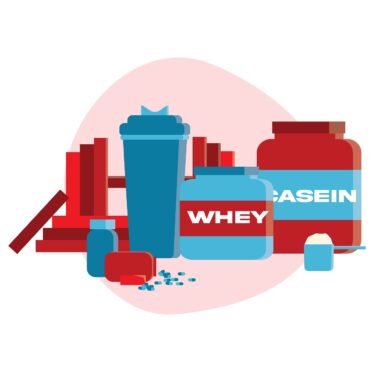
Carbohydrates and proteins play a significant role in your functional fitness nutrition plan. Carbohydrates provide the energy necessary for intense training sessions, as they are easily converted into glucose for quick energy. Opt for whole, unprocessed carbohydrates like brown rice, sweet potatoes, and quinoa for sustained energy levels. Additionally, complex carbohydrates effectively provide energy without the crash associated with refined sugars. Post-workout, including protein in your meal is critical for muscle recovery, breakdown, and repair. Aim to include at least 20–30 grams of protein in your post-workout meal. High-quality protein sources include chicken, fish, legumes, and dairy products. It’s also beneficial to combine your carbs and protein in recovery meals. For example, a chicken wrap with whole-grain bread provides both essential nutrients for muscle recovery and the energy necessary to restore glycogen levels. If you find it challenging to meet protein needs through food alone, consider using a quality protein supplement. Lastly, consider timing these key nutrients around your training sessions strategically for maximum benefits and fuel your progress effectively.
Ensuring adequate hydration is yet another fundamental aspect of optimizing meal timing.
Hydration should not only be focused on during meals or before workouts, but it is vital to maintain a consistent fluid intake throughout the day. Dehydration can severely impact not just performance but recovery as well. Aim to drink at least half your body weight in ounces of water daily. In addition to plain water, consider beverages like coconut water or electrolyte drinks, particularly if engaging in longer sessions where you sweat heavily. Pay attention to your body’s signals; thirst can often indicate you’re already slightly dehydrated. Another effective strategy is to consume watery fruits and vegetables, such as cucumbers or watermelon, which can contribute to your daily hydration needs. Lastly, remember that caffeine may also interact with hydration levels. While moderate caffeine can provide a performance boost, it also has diuretic effects. Therefore, adjust your fluid intake accordingly to account for coffee or tea consumption. By prioritizing hydration effectively, you’ll support your functional training regimen and overall athletic performance.
Timing Snacks for Optimal Energy
Strategically timing your snacks can have a significant effect on your performance and energy levels. Many functional athletes find that consuming snacks at various points during their day makes all the difference. A well-timed snack not only bridges the gap between meals but also maintains energy levels throughout demanding training sessions. Consider incorporating snacks high in healthy fats and proteins, like nuts or Greek yogurt, to provide lasting fuel. Pre-emptively snacking on nutrient-dense foods, such as energy bars or fruits, can help keep energy crashes at bay. Even during longer workout sessions, refueling with quick snacks can prevent fatigue and enhance performance. Monitoring your body’s signals around hunger and energy levels will provide insight into when to consume snacks most effectively. Moreover, how you snack between meals can impact recovery times. By timing your snacks appropriately, you will optimize your overall training and enhance your approach to functional fitness. Also, repeating practices you find effective on a day-to-day basis will build consistency in your nutrition routine, benefiting your training experience immensely.
Post-workout meals are certainly a vital aspect of incorporating meal timing into your training.
Catering to your specific nutritional needs after a workout is crucial for recovery and muscle growth. Focus on consuming meals high in protein and carbohydrates immediately after your training. Meals that can be prepared quickly, such as smoothies, serve as excellent post-workout options, providing a quick hit of energy and protein to assist muscle recovery. For those times when time is not on your side, having easy-to-grab items like protein bars or shakes can also make a significant difference. Furthermore, don’t underestimate the role of healthy fats. Including sources like avocados or nuts can accelerate recovery by decreasing inflammation. Make it a habit to plan meals ahead of time to alleviate the pressure of last-minute decisions, which can often lead to suboptimal choices. In addition, keeping a consistent schedule for post-workout meals can condition your body to adapt, maximizing the benefits. When in doubt of what to consume, a balanced meal that incorporates all food groups is your best bet for ensuring sustained energy and optimal recovery.
Final Thoughts on Meal Timing
Meal timing is essential for functional athletes looking to maximize performance and recovery. The implementation of diligent strategies around meal and snack timing can elevate your training regimen to new heights. Always prioritize listening to your body and recognizing its needs. Tailor your meal timing, based on your individual reaction to food types and exercise demands. Consistency will prove key; establishing specific windows for pre- and post-training nutrition solidifies your routine. Ensuring that carbohydrates and proteins are available when needed will aid in delivering the energy necessary for success. Adequate hydration complements your effort, supporting both performance and recovery. Don’t shy away from experimenting — discover what works best for your body. In time, note that these adjustments may enhance not only your functional training pursuits but also your general well-being. Always consult with a nutrition expert if you need personalized guidance. By making informed choices about meal timing, you open the door to discovering the full potential of your fitness capabilities, leading you toward achieving optimal fitness goals and aspirations.
In conclusion, meal timing can enhance your functional fitness experience.
Adopting effective strategies enhances energy, determines performance, and fosters better recovery processes. By implementing the timing tips in this article, including hydration practices and nutritional considerations, you can cultivate a solid foundation for optimal performance. Awareness of how your body interacts with food is key to creating a timetable that perfectly fits your workout schedule. Establishing a regular eating pattern around your training sessions creates a predictable routine, allowing your body to efficiently utilize energy stores as it needs them. By integrating snacks into your day, ensuring a proper balance of nutrients, and focusing on hydration, functional athletes can create an environment for growth and enhancement. The journey to functional fitness is not just about physical thrifting; it encompasses every aspect of nutrition. Remember to remain flexible and adapt your strategies according to your body’s feedback. Each athlete is unique, so what works wonders for one may not suit another. Ultimately, maintaining balance and versatility in your meal timing will facilitate the achievement of your goals, propelling you toward success in your functional training endeavors.