
How to Effectively Spar in Brazilian Jiu-Jitsu Training Sessions
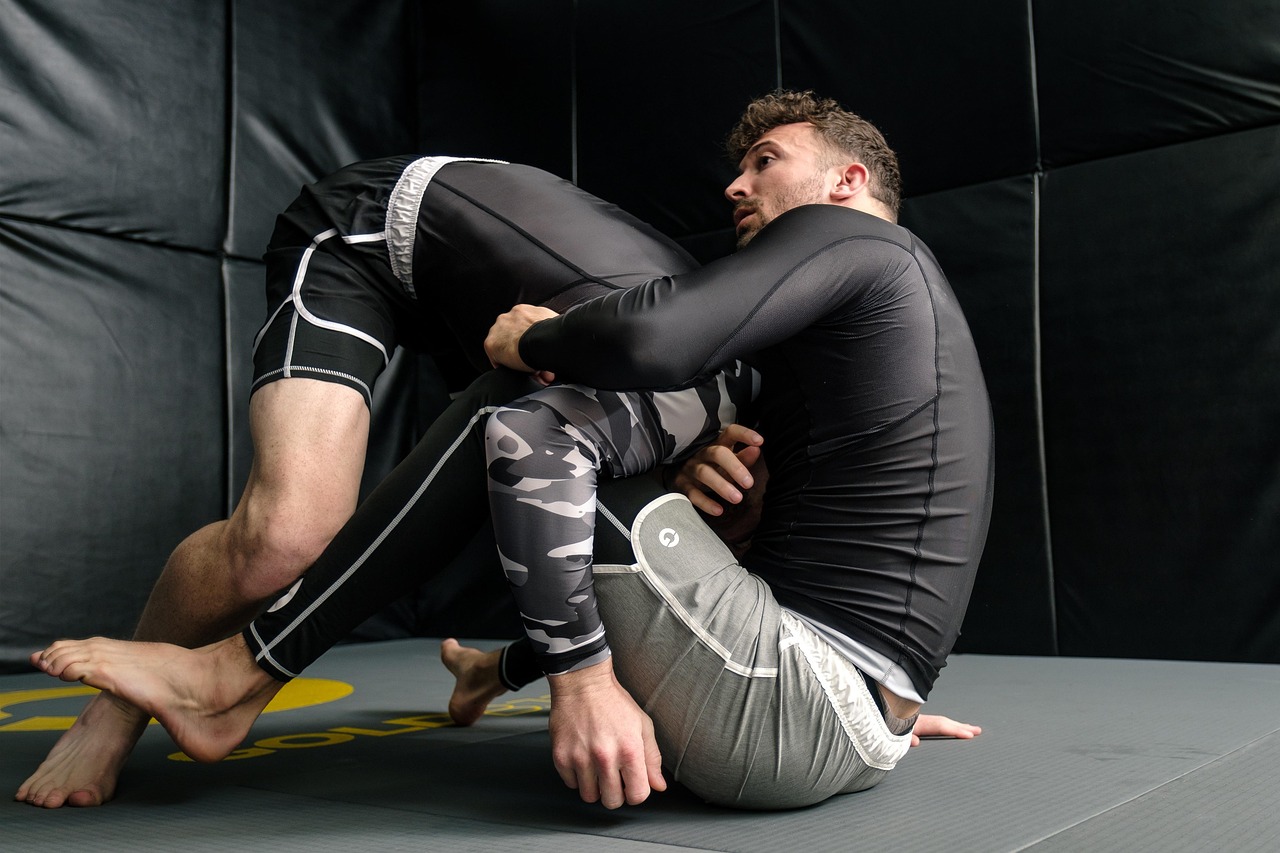
Sparring in Brazilian Jiu-Jitsu (BJJ) is a crucial component of training, enhancing skill and understanding. It is essential that practitioners embrace sparring as more than just a competitive activity; it should serve as an opportunity to learn and develop techniques in a dynamic setting. To maximize effectiveness during sparring, partners must communicate goals and focus areas. This creates a supportive environment that allows grapplers to refine their skills without pressure. Proper etiquette is also essential; respecting your training partners and maintaining safety is paramount for an effective session. A structured approach to sparring, including warm-ups and cooldowns, can significantly enhance the benefits. Emphasize good techniques while prioritizing fun and learning; view every roll as an educational experience instead of simply a win-loss scenario. Additionally, sparring should incorporate positional drills, allowing for targeted technique practice. Over time, this builds confidence and strengthens responses under pressure while also enhancing your ability to think creatively. Ultimately, sparring should be about creating bonds with teammates and fostering mutual growth, providing a balanced experience that complements your overall BJJ training journey.
Setting clear objectives is vital for productive sparring sessions. Before engaging in sparring, discuss and outline specific goals for the day or session, whether they focus on defensive tactics, submissions, or positional control. Striving for structured learning while sparring can elevate both individual and partner skills. Practitioners should take the time to assess what they wish to improve and communicate this with their sparring partners. For instance, if the goal is to escape from side control effectively, both partners can tailor their actions to facilitate practice around that technique during the spar. Alternatively, ask questions and request feedback, opening a dialogue that can help clarify moves and techniques. Engage in discussions after the roll, encouraging constructive criticism focusing on strengths and weaknesses. Pre-planned techniques can also be integrated, such as specific grips or strategies to practice during the drill. As you work through techniques and adjust with feedback, remember that patience is crucial; progress takes time, and sparring will become more effective. Building confidence through clear objectives ultimately leads to more beneficial sparring experiences, enhancing the overall BJJ journey.
Adaptability is essential in Brazilian Jiu-Jitsu sparring. Each roll presents different challenges, requiring fighters to adjust their techniques based on their partner’s style, size, and skill level. By cultivating flexibility in approaches, practitioners can enhance their grappling proficiency, making them more proficient competitors. For example, smaller athletes can practice quick movements and remain elusive, while larger participants might focus on creating leverage and maintaining pressure. By sparring with various partners, athletes gain insights into diverse techniques, allowing their own styles to evolve. Recognizing different patterns in movements and reactions during sparring creates awareness about opponents’ tendencies, helping you stay one step ahead. Additionally, embracing various sparring scenarios—such as limited techniques or time constraints—can further improve adaptability. Changing training partners regularly exposes one to a variety of approaches, forcing you to think critically in high-pressure situations. Practicing against more skilled individuals can elevate the game, while working with less experienced partners helps solidify fundamental skills. The path to mastery in Brazilian Jiu-Jitsu lies in analyzing each sparring experience and adapting methods, increasing your expertise with every encounter on the mat.
Understanding the Importance of Mental Preparation
The mental aspect of sparring in Brazilian Jiu-Jitsu should not be overlooked. Mental preparation can greatly influence performance during training sessions. Athletes should visualize their techniques and anticipate their partner’s movements to build confidence in high-pressure environments. Incorporating mental imagery techniques before sparring can enhance focus and overall experience on the mat. Practicing mindfulness can further help by keeping the mind clear and centered, allowing for better decision-making. Additionally, developing a positive mindset is essential in overcoming challenges and setbacks; grapplers must accept that losses are learning opportunities. Consistently reminding oneself of personal growth goals can tremendously improve motivation during training. Journaling experiences and feelings post-training sessions can aid in this reflection process. Strong mental attributes, including patience, discipline, and a growth mindset, drive improvement further during sparring sessions. Setting aside moments for self-reflection, goal reevaluation, and performance tracking contributes to overall growth. Over time, mental fortitude becomes a powerful tool on the journey, shaping your understanding of BJJ while honing techniques. Ultimately, cultivating this mental aspect encourages effective sparring, leading to substantial personal growth in martial arts.
Focus on breathing techniques to optimize performance while sparring. Awareness of breath plays a crucial role in maintaining stamina and reducing fatigue. Developing a steady breathing pattern helps competitors stay calm and composed during intense exchanges, which is vital for executing techniques effectively. When grappling, many practitioners instinctively hold their breath, leading to increased anxiety and a decreased ability to think clearly. By consciously practicing deep breathing techniques during training, one can cultivate better control over reactions and body responses. Consider practicing these methods while warming up or learning specific skills, gradually weaving them into sparring sessions. Try using rhythmic breathing patterns to establish consistency and flow while competing on the mats. This involves inhaling through the nose, extending the diaphragm, and exhaling through the mouth. Additionally, remain conscious of breath during challenging positions, recognizing when to breathe deeply or catch a breath during breaks. Regularly integrating these breathing exercises into training routines promotes enhanced focus and overall performance. Enhanced breath control ultimately contributes to sharper techniques and more effective decision-making during Brazilian Jiu-Jitsu sparring sessions.
Incorporating Recovery Strategies
Recovery strategies are essential to improve performance and prevent burnout during BJJ sparring training. Ensuring adequate rest between sparring sessions allows muscles to recover and grow, which is vital for ongoing development. Implement active recovery techniques following intense training, such as light exercises or gentle stretching, to speed up recovery. These practices help alleviate muscle tightness and enhance overall flexibility, allowing for better movement in future sessions. Hydration plays a crucial role in maintaining energy levels; practitioners should drink enough water to prevent fatigue and impaired performance. Additionally, consider implementing proper nutrition to fuel the body adequately, incorporating healthy proteins, carbohydrates, and fats. Opt for nutrient-dense snacks, such as fruits and nuts, before and after training to replenish energy stores effectively. Tracking sleep schedules is equally important; aim for 7-9 hours of quality sleep each night, which promotes energy restoration and mental clarity. Take note of any muscle soreness or injuries, addressing them promptly to prevent further issues. Prioritizing recovery and self-care can significantly enhance the experience and overall effectiveness of sparring in Brazilian Jiu-Jitsu.
Finally, reviewing recorded sparring sessions can provide invaluable insights. Analyzing video footage allows practitioners to identify areas of strength and weaknesses, ultimately fostering improvement. It offers an opportunity to gauge one’s techniques and highlight patterns that may not be visible during the heat of the moment. Focus on both successful moves and moments where adjustments are necessary, as both contribute to development. Discussing recordings with coaches or experienced training partners can yield deeper understanding and individualized feedback. Consider hosting dedicated sessions for analyzing sparring videos, where athletes can learn from each other’s experiences in a constructive environment. This exchange of information fosters camaraderie and builds a stronger community within the dojo. Furthermore, maintaining a learning mindset facilitates the continuous evolution that is central to Brazilian Jiu-Jitsu practice. The act of reviewing and reflecting encourages micro-improvements, leading to skill refinement over time. Ultimately, integrating this practice into your training routine will elevate performance, ensuring that every sparring opportunity serves as a stepping stone toward mastery in BJJ.
In summary, sparring effectively in Brazilian Jiu-Jitsu training sessions involves many components such as clear communication, goal-setting, adaptability, and mental preparation. Prioritizing a strong foundation allows practitioners to derive maximum benefit from training while maintaining positive relationships with partners. Breathing techniques, awareness of recovery, and video analysis are equally critical in developing effective sparring strategies. Focusing on these elements ensures that sparring sessions remain educational and resourceful, allowing continuous skill enhancement. Investing time and effort into these components ultimately leads to a rich learning journey in Brazilian Jiu-Jitsu. Engaging in a supportive environment, fostering connections, and encouraging personal growth creates a unique sparring experience that exceeds beyond just competition. Consider implementing these strategies in your training regimen to elevate performance and overall progress. Embrace each roll as an opportunity to learn and grow within the martial arts realm. Your journey continues with every session, paving the way for future achievements in Brazilian Jiu-Jitsu. So, harness your energy, build networks, and enjoy the incredible process that engages both body and mind in this unique martial arts experience.