
How to Avoid Common Nutrient Deficiencies as a Vegetarian
Being a vegetarian can be a rewarding lifestyle choice, but it can also lead to some common nutrient deficiencies if not managed properly. Key nutrients such as vitamin B12, iron, calcium, omega-3 fatty acids, and protein should be monitored closely. A diverse and balanced diet is essential to ensure you meet your nutritional needs while enjoying a plant-based lifestyle. Foods like leafy greens, legumes, nuts, and fortified products can play significant roles in your meals. It is crucial to be aware of the sources of nutrients that are essential for your body. Understanding the importance and potential shortages of these nutrients will help you maintain a healthy, vegetarian lifestyle. Regular check-ups with a nutritionist can provide personalized advice which is tailored to your particular dietary choices and health needs. Incorporating a variety of food groups and being mindful of potential deficiencies is imperative for all vegetarians. Supplements may sometimes be necessary to fill any gaps that exist within your diet. Always consult professionals before starting any supplementation routine to ensure you are making the best decisions for your health.
Vitamin B12 is one of the most significant nutrients that vegetarians often lack. This essential vitamin is predominantly found in animal products, making it challenging to obtain sufficient amounts through a vegetarian diet. Symptoms of vitamin B12 deficiency can include fatigue, weakness, and neurological issues. To help address this potential deficiency, vegetarians should consider consuming fortified foods such as cereals, plant-based milk, and nutritional yeast. Additionally, B12 supplements are an option worth exploring. Regular testing can help monitor your B12 levels and adjust your intake accordingly. Iron is another crucial nutrient that can be less available to vegetarians. Plant-based iron, known as non-heme iron, is not as easily absorbed by the body compared to heme iron found in animal sources. To enhance iron absorption, combine iron-rich foods like spinach, lentils, and chickpeas with vitamin C-rich foods, such as citrus fruits. This can improve absorption significantly. It’s vital to be strategic about your food pairings to ensure adequate iron levels in your body.
Calcium is essential for maintaining healthy bones and teeth. Many associate calcium primarily with dairy products, which can be a challenge for vegetarians. Non-dairy sources include fortified plant-based milk, tofu, leafy greens, and almonds. It’s important to be proactive in including these foods in your diet to prevent deficiencies and maintain strong bones. Regular physical activity, especially weight-bearing exercises, can also support bone health. Additionally, omega-3 fatty acids are essential for heart health and cognitive function. Vegetarians can turn to flaxseeds, chia seeds, walnuts, and algal oil as plant-based sources of omega-3s. Including these foods in your diet will help ensure you get enough of these important fatty acids. Make a point to regularly incorporate these healthy fats into your meals. Protein is another vital nutrient that can sometimes be lacking in vegetarian diets, especially if meals are not carefully planned. Protein-rich foods like beans, lentils, tofu, tempeh, and quinoa should be a staple in every vegetarian’s diet. It’s crucial to ensure that you consume adequate protein from various sources throughout the day.
Monitoring Nutrient Levels
Regular monitoring of nutrient levels is crucial for vegetarians to avoid deficiencies. Blood tests can assess levels of various vitamins and minerals, providing valuable insight into areas that may need attention. Consulting with a healthcare provider who understands vegetarian nutrition can help develop a strategy for maintaining adequate nutrient intake. Notebooks or apps to track food consumption can also support vegetarian diets by ensuring a well-rounded range of nutrients are consumed. Practicing portion control and meal planning can streamline meals, making it easier to include a variety of nutrients. Additionally, meal prepping can save time while helping to stick to a healthy eating plan. Remember that each vegetarian diet is unique; what works for one person may not be adequate for another. Tailoring your nutritional strategy based on personal health status, food preferences, and available resources is key. It is beneficial to continue educating oneself on nutrition through articles, books, and reputable online resources. Keeping up-to-date with the latest nutrition research can help vegetarians make informed dietary choices that promote optimal health.
When considering supplements, always look for quality products backed by research and authentication. Many vitamins and minerals are available in various forms, such as capsules, powders, or gummies. It’s essential to select the type that best suits your preferences and lifestyle. Some nutrients, when taken in excess, can lead to adverse effects, so it’s crucial to adhere to recommended dosages. Engaging with a healthcare provider can help you find the right balance of supplementation needed for your unique dietary choices. Regular re-evaluation of your dietary intake and supplement routine can ensure you make necessary adjustments. It’s also important to listen to your body; if you experience symptoms related to deficiencies, seek guidance promptly. Networking with other vegetarians in support groups can provide useful tips on meal ideas and supplements. Education is a continuous process, and sharing experiences with others can enrich your vegetative journey. Participating in online forums, blogs, or local community events can help stay informed about vegetarian nutrition and promote healthier lifestyles.
Importance of Whole Foods
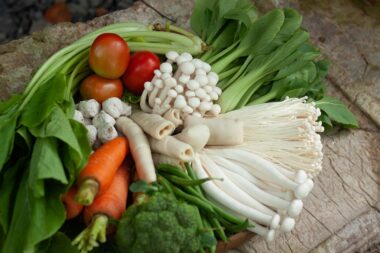
Whole foods should be the foundation of a vegetarian diet, focusing on fruits, vegetables, whole grains, and legumes. These foods are nutrient-dense, providing essential vitamins and minerals that support overall health. Incorporating a variety of colors and types can ensure you receive a wide spectrum of nutrients important for bodily functions. Aim for diverse meals that combine different food sources to promote optimal nutrient absorption. Emphasizing whole plant foods over processed options can significantly impact your nutrient intake and overall well-being. Experiment with seasonal produce and local farmers’ markets to discover new flavors and foods that can get incorporated into your recipes. Simple meal frameworks can help make cooking more manageable, such as bowls, salads, or stir-fries. Moreover, learning new cooking techniques can turn simple ingredients into delicious meals that keep you satisfied and energized. Stay open to exploring international cuisine that often features creative vegetarian dishes. With the right approach, eating a vegetarian diet can be delicious and fulfilling while supporting the body’s nutritional demands.
In conclusion, avoiding common nutrient deficiencies as a vegetarian requires awareness, planning, and commitment to maintaining a balanced diet. Key nutrients such as vitamin B12, iron, calcium, omega-3 fatty acids, and protein need regular attention. Being proactive, consulting with healthcare providers, and considering necessary supplementation can help ensure optimal health. Various sources of nutrients must be incorporated into your meals to meet dietary needs while enjoying the benefits of a vegetarian lifestyle. Remember that individual requirements vary, so tailor your nutrition accordingly. Stay informed and engaged with the vegetarian community to share ideas, recipes, and support. Education is key in understanding the nutritional landscape and how it pertains to your lifestyle. Finally, strive for variety and balance in your meals while keeping your health goals in mind. Embrace the journey of vegetarianism with an open heart and a well-informed mind, recognizing that the choices you make can profoundly impact your health and well-being. A mindful approach to your vegetarian lifestyle will realize not only nutritional success but also the joy and satisfaction that comes from healthy eating.
Conclusion
In conclusion, avoiding common nutrient deficiencies as a vegetarian requires awareness, planning, and commitment to maintaining a balanced diet. Key nutrients such as vitamin B12, iron, calcium, omega-3 fatty acids, and protein need regular attention. Being proactive, consulting with healthcare providers, and considering necessary supplementation can help ensure optimal health. Various sources of nutrients must be incorporated into your meals to meet dietary needs while enjoying the benefits of a vegetarian lifestyle. Remember that individual requirements vary, so tailor your nutrition accordingly. Stay informed and engaged with the vegetarian community to share ideas, recipes, and support. Education is key in understanding the nutritional landscape and how it pertains to your lifestyle. Finally, strive for variety and balance in your meals while keeping your health goals in mind. Embrace the journey of vegetarianism with an open heart and a well-informed mind, recognizing that the choices you make can profoundly impact your health and well-being. A mindful approach to your vegetarian lifestyle will realize not only nutritional success but also the joy and satisfaction that comes from healthy eating.