
Common Mistakes in CrossFit Weightlifting and How to Avoid Them
In the world of CrossFit, understanding and mastering weightlifting techniques is fundamental for efficiency and safety. One common mistake athletes make is using improper form during lifts. Poor form can lead to injuries and ineffective workouts. To avoid this, ensure you’re familiar with the basics of each lift. Engage a coach or watch instructional videos depicting correct techniques. Another mistake to be wary of is not warming up. Many people skip this crucial step, thus limiting their performance. A proper warm-up increases blood flow to muscles and helps prevent injuries. Incorporating mobility and flexibility work into the warm-up routine enhances overall lifting capabilities. Not focusing on core engagement during lifts can also hinder performance. Core stability plays a vital role in maintaining balance and lifting heavier weights effectively. To improve this aspect, incorporate exercises like planks and dead bugs into your training regimen. Lastly, neglecting recovery time is a mistake often overlooked. Recovery is essential for muscle repair and growth. Always allow adequate rest between workout sessions, ensuring that your muscles have time to recover for optimal performance.
Building a strong foundation is crucial in CrossFit weightlifting to minimize mistakes and maximize gains. One mistake athletes frequently make is attempting to lift weights that are too heavy, which can lead to compromised technique and injuries. It’s better to prioritize proper form over heavier weights. Start with lighter weights, focus on technique, and gradually increase your load as you build strength and confidence. Another mistake is failing to set realistic goals. Progress takes time, and athletes must celebrate small wins. Setting achievable goals assists in maintaining motivation and tracking improvement accurately. Reviewing personal logs can help identify trends and successful strategies. Nutrition plays a significant role in CrossFit performance, and many athletes neglect this component. Poor nutrition can hinder strength gains and recovery. Ensure a balanced intake of proteins, carbohydrates, and healthy fats to support workouts effectively. Hydration also substantially influences performance, as dehydration leads to fatigue and decreased strength. Establish a habit of drinking water consistently throughout the day, aiming to remain well-hydrated before, during, and after workouts. Finally, prioritizing mental focus during workouts can also prevent crucial errors in technique.
Avoiding Common Weightlifting Pitfalls
During CrossFit workouts, many common pitfalls can compromise your weightlifting experience, notably distractions. Whether it’s socializing in the gym or glancing at your phone, distractions can lead to poor performance and mistakes. Make a commitment to focus solely on your lifting during workouts. This mindfulness allows greater attention to technique, which is vital for success. Furthermore, setting unrealistic expectations for yourself can lead to disappointment and potential injury. Recognize that progression is not linear, and every athlete has unique timelines. Honor where you are in your fitness journey to cultivate a positive mindset. Another frequent mistake is neglecting specific muscle groups by focusing solely on favorite lifts. This can lead to muscular imbalances, making you more prone to injuries and less effective in overall performance. Incorporate diverse exercises targeting various muscle groups for a balanced approach. Additionally, don’t overlook the importance of recovery techniques post-workout. Sometimes, athletes may skip stretching or foam rolling, which enhances muscle recovery. Prioritizing such recovery exercises is essential for long-term success in your CrossFit endeavors without succumbing to repetitive injuries.
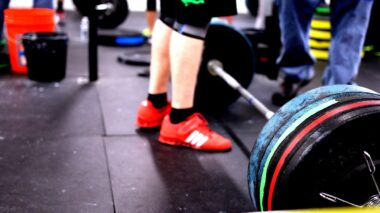
Another area of concern lies in the lack of proper footwear during weightlifting sessions. Many athletes underestimate the impact that shoes can have on performance. Weightlifting-specific shoes provide optimal support and stability, maximizing each lift’s effectiveness. Investing in the right footwear can help in achieving proper weight distribution and balance during lifts. It’s essential not to overlook the importance of understanding your body’s biomechanics. Every individual is unique, meaning that everyone’s lift mechanics can differ slightly. Spend time recognizing your limits and strengths to create a customized plan that suits your needs. A common mistake is performing workouts without input from a knowledgeable coach or experienced lifter, especially for beginners. Coaches bring invaluable insights to your training and can help you correct mistakes, enhancing your skill level. They can also provide tailored guidance based on personal weaknesses or strengths, allowing for targeted improvement. Alongside this, don’t forget to incorporate strength accessories into your training routines. Accessories like resistance bands or lifting belts can enhance your lifting experience, allowing for better practice of foundational lifts while building strength more effectively. Such additions will ultimately foster a comprehensive training strategy.
Enhancing Performance Through Consistency
One essential aspect of success in CrossFit weightlifting is maintaining consistency in your workout routine. Many athletes make the mistake of inconsistent training schedules, which can inhibit progress and lead to frustration. Establishing a regular training pattern helps in forming habits that encourage improvement over time. Additionally, recovery days are fundamental. Athletes sometimes feel guilty about taking breaks, but rest days are critical for muscle repair and growth. Failing to rest appropriately can lead to burnout and injuries. Ensure that you allocate recovery days into your fitness program consciously. Adequate sleep is another crucial factor that can’t be overlooked. Sleep deprivation affects performance levels and muscle recovery, leading to fatigue. Strive to create a sleep schedule that yields 7-9 hours per night, optimizing your body’s performance capacity. Nutrition, as discussed earlier, must align with your fitness schedule for maximal benefit. Tracking your meals can give insights into whether you are meeting your caloric and nutritional demands. Consulting with a registered dietitian can help you tailor nutrition according to your specific needs, ultimately supporting the overall quality and success of your weightlifting efforts.
Understanding common mistakes in CrossFit weightlifting is vital for building a successful training regimen and enhancing performance. Many athletes neglect the significance of mental focus, which is essential for executing lifts with precision. Join workshops or discussions that emphasize the mental aspect of lifting, educating you on how to enhance concentration during workouts. This can include visualization techniques or mental training strategies that increase your workout efficiency. It’s also common for beginners to prioritize working out based on others’ workouts instead of focusing on personal development. Tailor a workout plan fit for your skill level and always prioritize personal progress over comparison. Social media and peer pressure may tempt athletes to try based on others’ routines, which can lead to errors. Always remain true to your goals and interests when selecting workouts to follow. Additionally, failing to review footage of your lifting can be detrimental. Recording your sessions allows for self-assessment and identifying areas of improvement. Observing yourself aids in correcting mistakes, as you can analyze performance from an outsider’s perspective. Finally, embrace the process of learning; perfecting your techniques takes consistent effort, evaluation, and time.
Your Road to Success
To conclude, addressing and comprehending common mistakes in CrossFit weightlifting is the stepping stone to success in athleticism and fitness. Each of these discussed mistakes presents opportunities for learning and improvement. Engage actively in discussions within the CrossFit community; this can provide personal insights while helping you connect with other athletes who face similar challenges. Building a support network of peers can enhance your journey, as sharing experiences and advice fosters continued growth. Staying informed on new techniques or methodologies through workshops and online courses can significantly impact your weightlifting capabilities. With each successful lift, remember that building the right mentality is just as crucial as physical abilities. Cultivating a strong mental framework of determination and perseverance will help you overcome obstacles standing between you and your goals. Celebrate your achievements, no matter how small, and reflect on what you learn from failures. Ultimately, adhering to these principles will create a resilient foundation for your performance, ensuring a safer and more effective CrossFit experience. Learning from these techniques will equip you for a prosperous journey in the dynamic world of CrossFit weightlifting.
Prioritize seeking professional guidance as you navigate this journey, as it can vastly improve your results, safety, and understanding. Collaborating with experienced coaches maximizes the benefits accrued during your weightlifting sessions. Attend local competitions or seminars to observe how seasoned athletes approach their lifts. This active participation can motivate and guide you through adjustments to your techniques. Lastly, always keep your long-term fitness objectives in sight. While focusing on becoming stronger and proficient in CrossFit, remember that fitness is a marathon, not a sprint. Every step you take towards improvement, regardless of speed, is a step in the right direction. Approach your training earnestly, give yourself grace during challenging moments, and remain dedicated to lifelong learning. Becoming aware of pitfalls and mistakes in CrossFit weightlifting allows you to evolve into a more seasoned athlete. Cherish your growth experiences, both good and bad, and understand they are the foundation for your future accomplishments. Regularly review your fitness strategies and maintain an open mind towards change; this adaptability is essential for long-term success in this vigorous sport.