
Bodyweight Strength Training Exercises You Can Do Anywhere
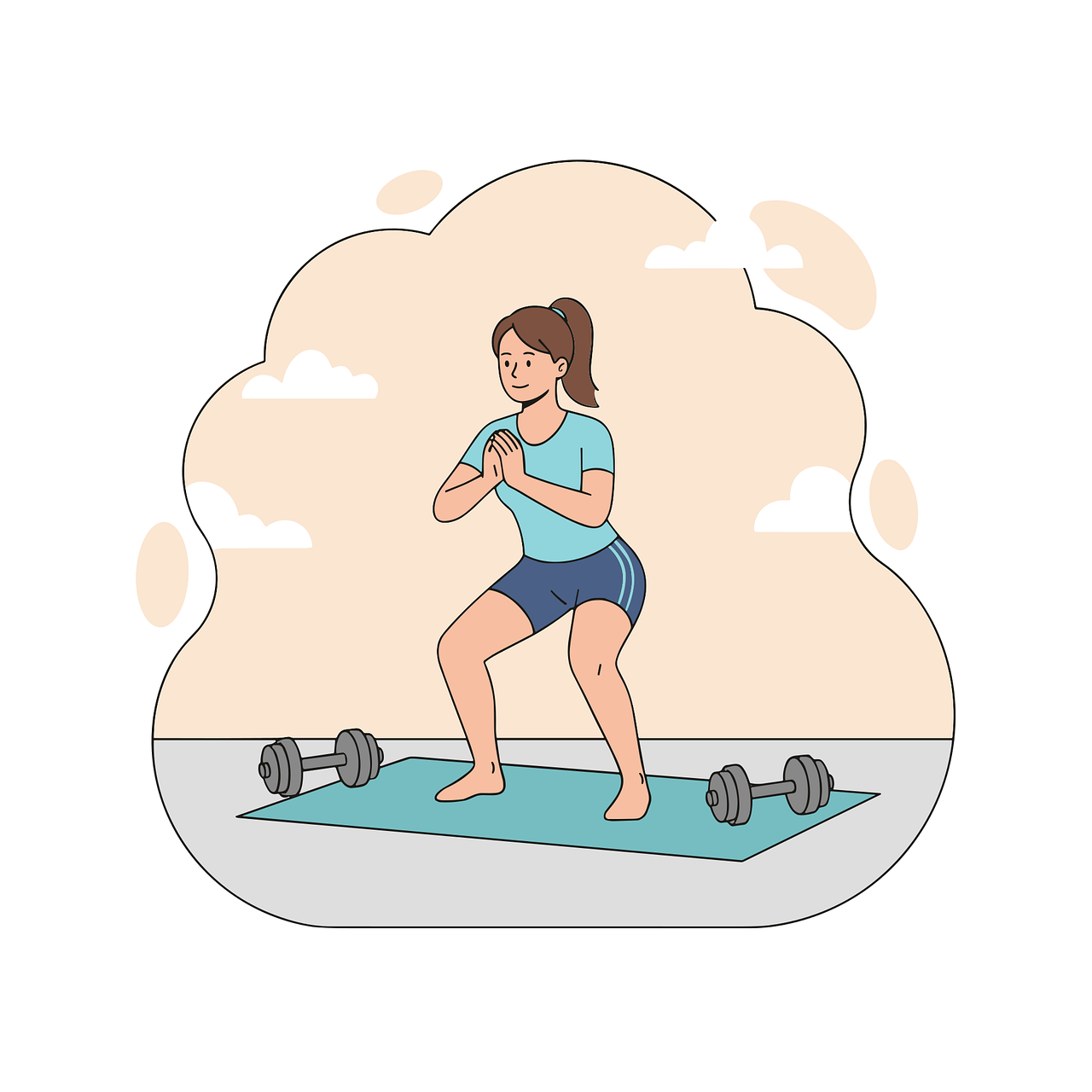
Bodyweight training is a highly effective method that allows you to strengthen your muscles without needing any equipment. This flexibility makes it a brilliant choice for those who prefer outdoor workouts or are traveling. Bodyweight exercises engage multiple muscle groups and improve overall fitness levels. Here are some essential bodyweight exercises your routine should include. First, the push-up effectively targets the chest, shoulders, and triceps. Another valuable exercise is the squat, which focuses on the lower body muscles, including glutes and quadriceps. You can also diversify your workout by incorporating lunges, which help build balance and coordination. Additionally, consider planks to improve core strength, providing stability necessary for all other movements. If you’re looking to boost muscle endurance, bicycle crunches work exceptionally well for developing abdominal muscles. Lastly, do not forget to include exercises like burpees, combining both cardiovascular and strength training, perfect for a full-body workout. Remember to maintain proper form as you perform these movements, ensuring the effectiveness of your workout and preventing injury.
One of the most challenging yet rewarding bodyweight exercises is the pistol squat. This single-leg squat not only builds leg strength but also improves balance and flexibility. If you find this too intense, start with a regular squat or assisted squat for better control. Another fantastic exercise is the tricep dip, which can be performed on a chair or a low wall. It strengthens the triceps effectively while also engaging the shoulders and chest. For your back, consider doing the superman exercise. This move requires lying on your stomach and lifting your arms and legs to engage your lumbar muscles, enhancing stability and posture. Mountain climbers are another dynamic addition, engaging the entire body while boosting heart rate, making them excellent for cardio. As you master these movements, remember to push yourself and gradually increase the number of reps or duration. Consistency is key! Aim to incorporate these bodyweight exercises into your routine at least three times a week for optimal results, and note that variation is essential for continuous improvement.
Creating a Routine
To maximize the benefits of bodyweight strength training, establishing a routine is essential. Begin by selecting a variety of exercises to work on all major muscle groups over time. A balanced approach ensures that no area is neglected, promoting overall strength and functionality. Start with a warm-up that includes light cardio and dynamic stretches to prepare your body. Following this, you can segment your workout into upper body, lower body, and core sessions throughout the week. For strength training, aim for three sets of 8 to 12 reps for each exercise to effectively challenge your muscles. Always include rest intervals to allow for muscle recovery and prevent fatigue. After your workout, spend a few minutes cooling down with static stretches to enhance flexibility and flexibility. Staying hydrated is crucial, so drink water throughout your training session. Finally, keep track of your progress by noting the number of reps completed and overall workout intensity. Aiming for gradual increases in difficulty makes it easier to stay motivated and committed to your strength training journey.
In addition to the exercises mentioned, incorporating intervals or circuits can help intensify your bodyweight workouts. Circuit training involves alternating between different exercises with minimal rest in between, pushing your limits and keeping your heart rate elevated. Choose 4-5 exercises and perform each for a designated time, such as 30 seconds, before moving to the next. After completing all exercises, take a short break before repeating the cycle. This method enhances endurance while building strength. Along with circuits, mixing in some explosive movements, like jump squats, can improve your athleticism and power. Always remember to listen to your body and adjust the intensity depending on your fitness level. Be cautious about overtraining, as it can lead to injuries. Focusing on quality over quantity ensures better results and allows you to enjoy the process. If you’re ever feeling fatigued, opt for a lighter session or take a day to recover completely. Remember, adequate rest is as important as the workout itself for muscle repair and growth.
Nourishing Your Body
Equally important to your workout routine is the food that fuels your body. A balanced diet high in protein, healthy fats, and complex carbohydrates aids in recovery and muscle growth. Protein-rich foods like chicken, legumes, and dairy provide the necessary building blocks for muscle repair. Additionally, incorporating whole grains from sources such as brown rice or quinoa will fuel your workouts and keep energy levels stable. Healthy fats, found in avocados and nuts, support overall health and should not be overlooked. Good hydration is also crucial; water helps transport nutrients essential for performance and recovery. As you progress in your training, consider tracking your caloric intake and macronutrient ratios to ensure you’re meeting your body’s demands. Sometimes supplementation can be beneficial, especially when you’re busy; protein shakes or bars make for quick snacks. However, prioritize whole foods whenever possible. Lastly, remember that regular meals and protein-rich snacks after workouts can assist recovery and muscle growth, making it easier for you to stick to your strength training routine effectively.
Monitoring your progress is vital to stay motivated and understand what aspects of your training need adjustments. Consider keeping a fitness journal to log your workouts, noting which exercises you performed and how many reps or sets you completed. This practice not only aids in accountability but allows you to see growth and improvement over time. Weekly assessments can also help identify strengths and areas for development. For example, test your maximum number of push-ups or max hold time for a plank. Tracking qualitative results, such as how you feel during workouts or recovery time, can offer additional insights. If you find certain exercises become too easy, don’t hesitate to progress by adding variations, increasing reps, or reducing rest time. Online fitness communities and social media provide inspiration and shared experiences; don’t shy away from discussing your journey and learning from others. Joining a local fitness group can also elevate your commitment and motivation. Building relationships with people who share your fitness interests can significantly enhance your training experience and overall satisfaction.
Staying Consistent
Consistency is paramount in any fitness journey, including bodyweight strength training. It’s crucial to establish a regular training schedule that accommodates your lifestyle and commitments. Aim for at least three to four sessions per week, while being mindful to include active recovery days. On these days, you can perform light stretching or engage in brisk walking, which promotes blood flow and aids with recovery. Designing workouts that are enjoyable will greatly enhance adherence; consider changing your environment or inviting a friend to work out with you. Additionally, integrating fun challenges or fitness goals, such as aiming to complete a specific number of burpees within a set time, can add excitement. Stay patient! Progress takes time, and small incremental improvements will accumulate. Celebrate achievements, no matter how minor, as they serve as wonderful motivation. If you encounter setbacks, adapt your routines and learn from those experiences rather than allowing them to derail your goals. Listening to your body keeps you in tune with your health, ensuring a sustainable and enjoyable bodyweight strength training journey.
Finally, always remember the importance of mindset in your training. A positive attitude can make a world of difference in your performance and enjoyment. Visualizing your success and setting realistic goals can empower you in your bodyweight training regimen. Whether it’s mastering a new exercise or improving your stability, keep focused on what you can achieve. Developing mental resilience will not only impact your training but positively influence other areas of your life. Repeating affirmations or reflecting on your progress can motivate you to continue pushing through challenges. Surround yourself with supportive peers who uplift your spirit and encourage your growth. Engaging with local fitness activities can foster a sense of community, making workouts more enjoyable. Keep your end goal in mind, whether it’s gaining strength, improving functionality, or merely enjoying movement. Each workout gets you closer to your dream outcome. Embrace the journey, celebrate the small victories, and remember—every workout counts! With dedication and a structured approach, there’s no limit to what you can accomplish through bodyweight strength training, anywhere and everywhere.