
Best Home Workouts for Men in Their 50s
Staying fit and active is crucial for men in their 50s. At this age, it becomes vital to focus on workouts that enhance mobility, strength, and overall health. Home workouts offer convenience and flexibility, allowing you to exercise without the need for a gym membership. Developing a routine can ensure consistent physical activity. To create an effective workout, consider incorporating a mixture of cardio, strength training, and flexibility exercises. Bodyweight exercises such as push-ups, squats, and lunges are excellent for building strength. Additionally, resistance bands can provide a safe alternative for weight training, minimizing the risk of injury. It’s important to listen to your body and gradually increase intensity as your fitness improves. Moreover, don’t forget about the importance of proper nutrition during this journey. A balanced diet, rich in vitamins and minerals, is essential to support your fitness goals. Regular check-ups with your doctor can also provide valuable insights into your health as you embark on this fitness path. Ultimately, the key to success is consistency and dedication, ensuring that you stay active and healthy well into your golden years.
Incorporating aerobic exercises into your routine is essential for maintaining cardiovascular health. Walking, cycling, or swimming are excellent low-impact options that can be performed at home. Aim for at least 150 minutes of moderate aerobic activity each week. This can be broken down into shorter sessions, making it easier to fit into a busy schedule. For those who prefer motivation, consider using online video workouts or apps that offer guided exercise routines. These resources can provide structure and variety to your aerobic workouts. It’s also beneficial to engage in activities that elevate your heart rate while being gentle on the joints. High-Intensity Interval Training (HIIT) can be adapted for different fitness levels. Don’t forget to warm up before each workout and cool down afterward to prevent injuries. Stretching and flexibility exercises play a supportive role in maintaining mobility. Yoga and Pilates can also be great additions, aiding in balance and stability. Besides physical fitness, maintaining a positive mindset is equally important. Set realistic fitness goals and celebrate your progress to keep yourself motivated and on track. With dedication and the right approach, anyone can achieve and sustain fitness in their 50s.
Strength Training for Overall Fitness
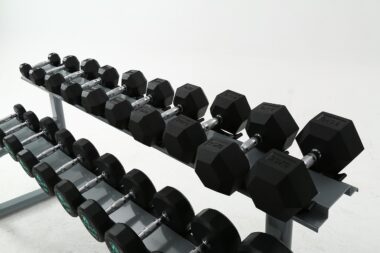
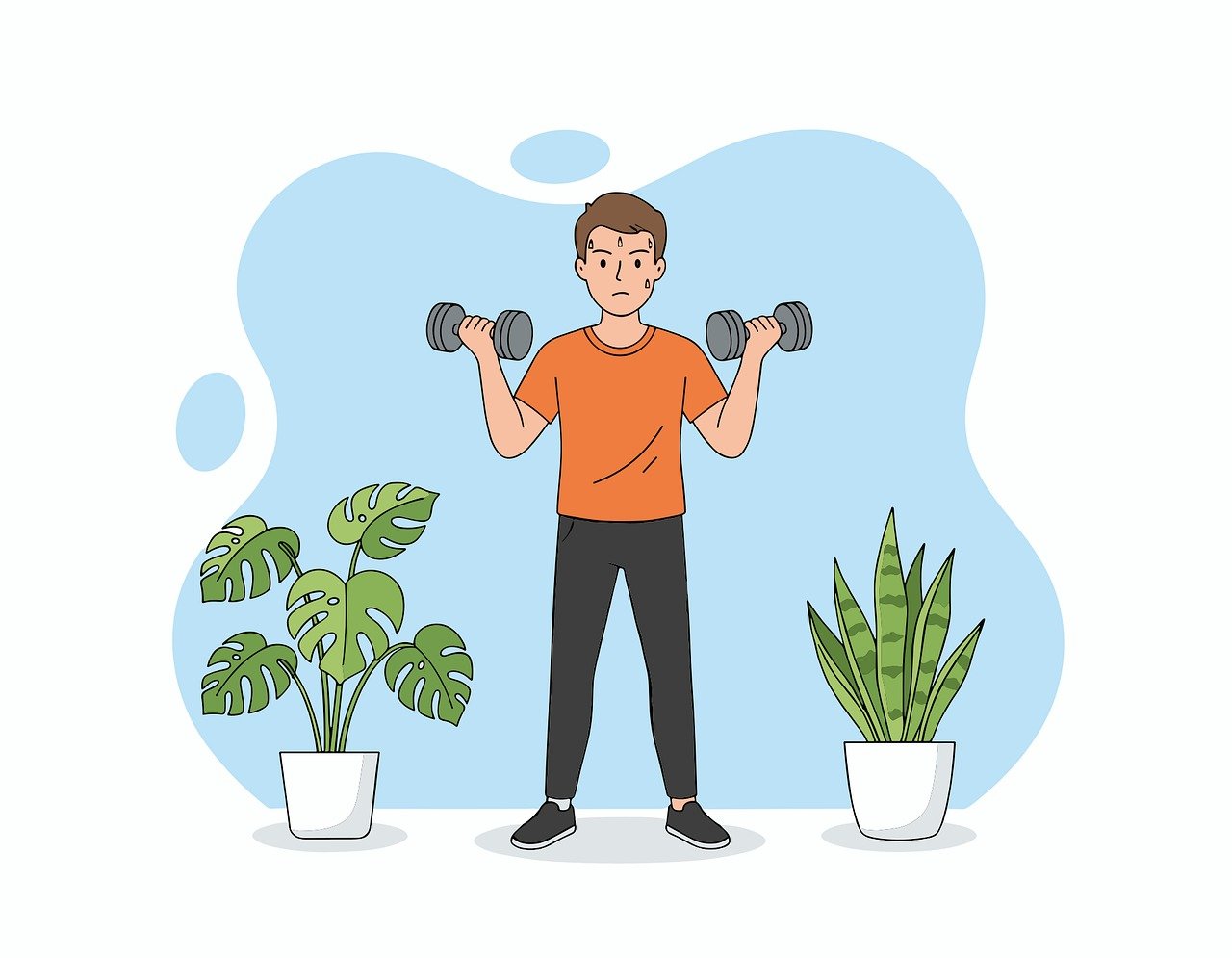
Strength training is vital for men in their 50s, helping combat muscle loss and improve bone density. As you age, you naturally lose muscle mass, so incorporating strength exercises into your weekly routine can help maintain and build muscle. You don’t need fancy equipment; bodyweight exercises and resistance bands are sufficient. Focus on major muscle groups; exercises such as deadlifts, bench presses, and dumbbell rows are effective. Often, men neglect the importance of core strength. Incorporating planks, bridges, and abdominal crunches can significantly enhance stability and overall strength. Schedule strength training workouts at least two times a week, allowing rest days for muscle recovery. Take the time to perfect your form for each exercise to reduce the risk of injuries. Additionally, consider joining online communities that offer support and motivation, especially when trying to increase weights or intensity. Another aspect to consider is recovery. Adequate rest, hydration, and proper nutrition play crucial roles in muscle recovery post-workout. Supplementing strength training with protein-rich foods can aid in muscle repair and growth, ensuring you are well on your way to achieving your fitness objectives.
Flexibility and mobility are often overlooked aspects of fitness, yet they are particularly important as men age. Incorporating stretching into your routine can improve flexibility, balance, and posture, thus reducing the risk of injury during everyday activities. Dynamic stretching is perfect as part of a warm-up before exercising, while static stretching is best performed after your workouts. Simple stretches targeting the neck, shoulders, back, and legs can significantly enhance mobility. Yoga and tai chi are two excellent practices that can improve flexibility while promoting relaxation. These activities not only enhance your physical capabilities but also provide mental clarity via a meditative aspect. Finding the time for a 15-minute stretching routine daily can be incredibly beneficial. Consider designated times such as after a workout or during breaks at work. Online platforms offer many guided stretching and yoga sessions tailored for men in their 50s. Body awareness plays an integral role in maintaining proper flexibility, so always listen to your body and avoid pushing beyond your limits. Regularly dedicating time to flexibility will enhance daily performances and improve quality of life, ensuring you remain active and agile for years.
Combining Cardio and Strength for Optimal Health
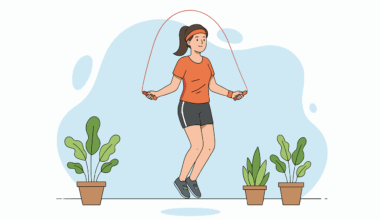
Combining cardio and strength training optimizes overall health and fitness for men in their 50s. Cardiovascular exercises boost heart health, while strength training protects against muscle degeneration. A balanced workout regimen should merge both elements to maximize benefits. High-Intensity Interval Training (HIIT) effectively integrates both components within shorter workout durations, making it convenient for those with busy schedules. You can perform HIIT sessions leveraging bodyweight exercises like burpees or jumping jacks. Gradually increase intensity as your fitness level improves. Scheduling dedicated days for cardio and strength training helps maintain structure in your weekly routine. Maintain variety in your exercises to prevent workout monotony; consider trying different cardio activities like cycling or running, which can keep your body engaged. Nutrition also harmonizes with this combination. A diet comprising whole foods, lean proteins, healthy fats, and complex carbohydrates aids in recovery and performance. Supplementing with vitamins D and calcium can support bone health. Using apps for tracking workouts, dietary intake, and progress can provide valuable insights and help in staying motivated. By consistently practicing and optimizing your routine, you will foster long-lasting health as you age.
Incorporating rest and recovery into your fitness routine is just as crucial as the workouts themselves. As men in their 50s engage in physical activities, the body undergoes stress, necessitating adequate recovery periods. This approach helps to prevent injuries and promotes overall wellness. Establishing a balance of workout intensity and rest days can help you maintain consistent progress. Take note of signs indicating you may be overexerting yourself, such as persistent fatigue or soreness. Develop a routine that allows for recovery time; this may include light activity, stretching, or even yoga. Prioritizing good sleep hygiene is equally essential in the recovery process. Aim for 7-8 hours of quality sleep each night to facilitate bodily repairs and rejuvenation. Consider integrating mindfulness or relaxation techniques to help manage stress and improve sleep quality. Furthermore, hydration should be part of your recovery strategy. Drinking sufficient water supports muscle recovery and overall health. Listening to your body and adapting your workouts accordingly can also help maintain your motivation throughout your fitness journey. Achieving and sustaining fitness in your 50s involves a comprehensive approach that includes diligent recovery practices alongside consistent training.
Conclusion: Staying Motivated and Active
Staying motivated is fundamental for men over 50 aiming to lead fit lives. Establishing a strong reason for pursuing fitness, whether it’s enhancing quality of life, increasing energy, or preventing age-related ailments can ignite motivation. Setting achievable short-term and long-term fitness goals can enhance focus, giving you something to celebrate along the way. Joining a local fitness class or group can establish a sense of community and accountability, significantly contributing to your motivation. Additionally, chronicling your journey through journaling or using fitness apps creates a visible track of progress. Engaging with others online within fitness communities can also provide support and encouragement. It’s essential to maintain a positive mindset during your fitness journey and celebrate your achievements, regardless of their size. Fitness is not a sprint but rather a lifelong marathon, emphasizing the significance of persistence and determination. Embrace setbacks and use them as opportunities to learn and grow. Remember always to enjoy the process of staying active and fit. Ultimately, maintaining health as you age requires dedication, smart choices, and a willingness to adapt while continually striving for improvement.
Remember that the balance between enjoying life’s pleasures while managing your fitness is essential. Listen to your body, respect its limits, and adjust accordingly, as this approach will yield the best long-term results. By continually investing in your health today, you’re equipping yourself with the tools to enjoy a vibrant tomorrow. Stay committed to your fitness journey, and you will not only feel healthier but also more energetic and zestful. Enjoying life at 50 and beyond can be incredibly fulfilling if you prioritize your fitness and well-being.