
AI-Based Personalized Recovery Plans for Athletes
In today’s fast-paced sports environment, the integration of artificial intelligence (AI) in creating personalized recovery plans has revolutionized athlete recovery. Traditional recovery methods often rely on a one-size-fits-all approach, which can be inefficient for individual athletes. With AI, these plans can be tailored based on biometric data, injury history, and real-time performance metrics. This personalized approach not only enhances recovery times but also reduces the risk of re-injury. Athletes can now receive ongoing assessments and adaptations of their recovery protocols. Moreover, AI algorithms learn from vast amounts of data, allowing them to make informed predictions about individualized recovery needs. By analyzing recovery patterns across different athletes, AI technology identifies best practices that are specific to individual cases. With tools becoming more advanced, athletes can utilize devices that monitor their physical conditions continuously. This dynamic recovery strategy ensures that the athletes engage in the right activities at the right times, thus optimizing their performance while maintaining their health. Embracing this technology marks a significant step forward in sports science, enhancing how recovery is approached by athletes and coaches alike.
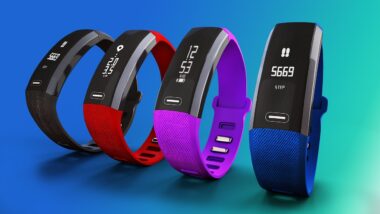
The first key aspect of using AI in personalized recovery plans is data collection. Athletes are equipped with wearables that collect extensive data such as heart rate, sleep patterns, and physical exertion levels. This data serves as the foundation for analyzing an athlete’s health and recovery needs. AI algorithms can process this massive amount of information quickly and accurately. They can identify trends that humans may overlook. By correlating recovery outcomes with various data points, these algorithms help in formulating a more effective recovery strategy. This approach elevates the standard recovery practices by infusing them with scientific insights grounded in real-time data. Furthermore, continuous monitoring allows for timely interventions if something goes awry. For instance, if an athlete’s heart rate variability indicates excessive stress, the AI can recommend a modification in their training regime to allow for additional rest. This level of customization based on concrete data fosters athlete autonomy and reduces their reliance on generalized recovery strategies. Coaches benefit as well, gaining a deeper understanding of their athletes’ unique physiological responses, enabling better decision-making in their training and rehabilitation processes.
Predictive Analytics in Recovery
Another notable advantage of AI in recovery plans is predictive analytics. By using past and present data, AI can predict potential injury risks and suggest preventative measures. This proactive approach is crucial for athletes who put immense physical stress on their bodies. Leveraging sophisticated machine learning models, AI analyzes a variety of factors that may contribute to injuries. These include not just physical data, but also psychological and environmental metrics. For example, if an athlete tends to get injured when fatigue levels exceed a certain threshold, the AI can alert both the athlete and the coaches to reduce workload prior to those limits being reached. This early warning system drastically reduces injury incidences. In addition to preventative insights, AI can also refine the recovery process post-injury. By understanding how specific body types respond to different treatments and modalities, AI can suggest tailored rehabilitation routines that enhance the effectiveness of the recovery efforts. This predictive capability effectively bridges the gap between training loads and recovery, aiding athletes in returning to form faster and safer.
Furthermore, AI’s integration in personalized recovery plans fosters enhanced mental support for athletes. Recovery isn’t only about physical rehabilitation; mental well-being is equally essential. Athletes often face psychological challenges when dealing with injuries. As AI analyzes behavioral data, it can offer insights that lead to personalized mental health support. For instance, algorithms can detect patterns indicating an athlete’s emotional state, particularly feelings of anxiety or demoralization after an injury. By identifying these signs through interactions with apps or wearables, AI systems can suggest mindfulness practices, cognitive therapy options, or even prompt access to mental health professionals. This holistic approach addresses both physical and psychological aspects of recovery. Additionally, leveraging virtual coaches, athletes can receive encouragement and motivation during challenging recovery phases. This combination of physical monitoring and psychological support ensures that athletes remain mentally focused while recovering from injuries. An athlete’s mental state significantly impacts physical healing; thus, a comprehensive AI-integrated plan secures a better overall recovery experience and ultimately maximizes performance in sports.
Case Studies and Success Stories
There have been several prominent case studies that showcase the effectiveness of AI-based personalized recovery plans. One notable example comes from a professional football team that implemented an AI system to monitor injury recovery among its players. The system effectively reduced recovery times by 30%. Coaches were amazed at how the technology pinpointed individual recovery patterns, allowing for tailored training loads. Another success story involves a track athlete utilizing AI-driven recovery monitoring post-injury. This athlete reported reduced anxiety and improved mental toughness due to receiving consistent feedback and adjustments to their recovery plan. The personalized recommendations and insights allowed them to regain confidence in their physical abilities much quicker. Similarly, several collegiate sports programs have adopted these technologies, showcasing significant reductions in injury rates after implementing AI-informed strategies. By continuously adapting training methods based on real-time data, athletes felt empowered to take control of their recovery journeys. These success stories exemplify the potential of AI to transform recovery practices, demonstrating the value of personalized insights derived from advanced technology in aiding athletes.
As AI technology continues to evolve, so, too, does its implementation in injury prevention and recovery plans for athletes. Future developments may allow for more precise real-time adjustments based on immediate physiological changes. By integrating AI with advancements in wearable technology, athletes could receive instantaneous advice during training sessions, prompting them to adjust their activities to avoid injury risks. Additionally, the rise of virtual and augmented reality in athlete training provides a promising avenue for recovery. These immersive experiences can support mental recovery by creating engaging environments for athletes to practice techniques or visualize their goals. Training simulations can combine physical and mental exercises that reinforce the athlete’s rehabilitation. Moreover, enhanced data sharing and accessibility will forge more collaborative efforts among trainers, sports psychologists, and athletes. For instance, integrating individual recovery data with team analytics can lead to better holistic recovery strategies. With further research and advancements, AI could become commonplace within athletic training facilities, cementing its role as an indispensable tool in athlete recovery, ensuring they remain at the top of their game. The future of injury prevention using AI technology is bright.
Conclusion
In conclusion, AI-based personalized recovery plans signify a groundbreaking advancement within the sports industry, redefining how athletes approach injury recovery and prevention. By leveraging comprehensive data inputs, predictive analytics, and holistic mental health support, this technology fosters an environment where athletes can optimize their performance while minimizing injury risks. The change is fundamental; athletes equipped with tailored recovery strategies gain greater autonomy over their health and recovery processes. Moreover, the collaborative interaction between coaches and advanced technology improves training methodologies and overall team performance. The integration of AI signifies not merely a trend, but an essential evolution in the industry. Embracing this technology equips athletes with invaluable resources to sustain their careers longer and healthier. As we continue to explore the intersection of technology and sports, the commitment to improving athlete recovery through AI will undoubtedly yield positive results for the future. The advancements promise a more nuanced understanding of athlete needs, proactive measures against injuries, and mental support systems designed to fully engage athletes during their recovery journeys.
In essence, as AI technology matures, its potential benefits for athlete health remain expansive. The collaborative efforts of technologists, sports scientists, and wellness professionals will drive innovations that can further refine recovery methodologies. It is vital for athletes and stakeholders in sports to remain open to these advancements. Engaging in continued discussions about ethical implications and data privacy will ensure a safe and beneficial evolution of these AI tools. Ensuring that athletes always remain at the forefront of these technologies will lead to greater acceptance and trust in their application. Ultimately, the goal of integrating AI into recovery plans is to create a more sustainable sport, where players can thrive in their environments, reducing the burden of injuries while enhancing their overall athletic experience.