
Vegetarian Diet and Childhood Growth: What Parents Should Know
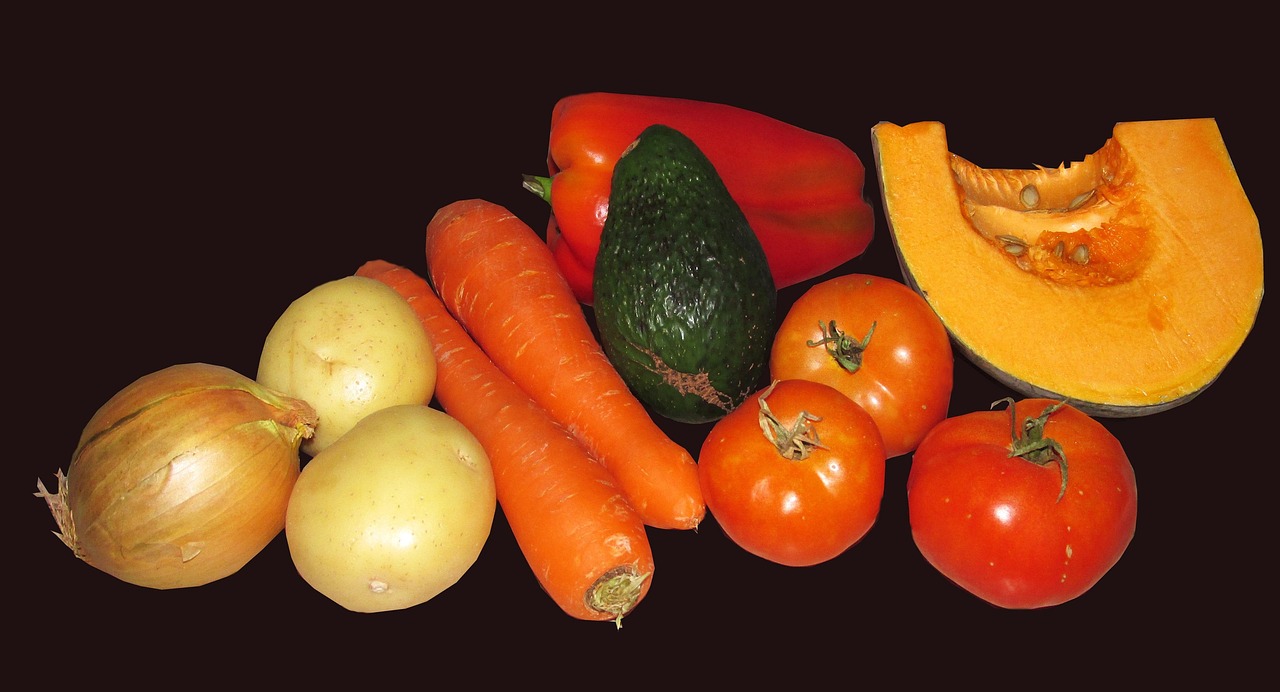
As parents consider nutrition for their children, it is essential to understand the significance of a vegetarian diet during critical growth periods. A vegetarian diet, if well-planned, can support children’s growth and development effectively. It provides necessary vitamins and minerals while being lower in saturated fats. Parents should ensure that their children receive adequate sources of protein, as plant-based proteins can be obtained from beans, lentils, tofu, and nuts. Incorporating a wide variety of fruits and vegetables, along with whole grains, can also help children meet their nutritional needs. Foods such as quinoa and brown rice, complemented with rich sources of vitamins, create a balanced diet for children. The right approach can result in a positive impact on overall health while keeping within their dietary restrictions. Regular check-ups with a pediatrician can help monitor growth patterns and nutritional health. It’s crucial for parents to be vigilant and informed about any potential deficiencies. With a proper vegetarian diet, children can thrive as they grow, achieving both physical and mental milestones. Each ingredient represents an opportunity for health benefits and a better understanding of food diversity.
Key Nutrients in a Vegetarian Diet
Key nutrients like protein, calcium, iron, and vitamin B12 play a vital role in ensuring optimal growth in vegetarian children. It is crucial to choose nutrient-rich foods that supply these essentials in sufficient amounts. For protein, parents can rely on legumes, nuts, and seeds, which, when combined thoughtfully, yield complete amino acids. Calcium can be sourced from fortified plant milks, leafy greens, and tofu created with calcium sulfate. Children can face iron deficiency; thus, incorporating foods such as lentils, chickpeas, and pumpkin seeds is pertinent. Helping children absorb iron more efficiently can foster better health outcomes; combining iron-rich foods with vitamin C sources like strawberries or citrus fruits aids absorption significantly. Moreover, vitamin B12, predominantly present in animal products, requires attention. Supplementation or incorporation of fortified foods may be necessary to prevent deficiencies. A well-rounded vegetarian diet encourages children to explore foods and flavors while developing a positive relationship with nourishment. Education on food choices creates lifelong habits that enhance overall well-being. Being knowledgeable about these nutrients and how to provide them can facilitate successful vegetarian diets for children.
One challenge vegetarians may encounter is ensuring their children consume enough calories for energy, especially during growth spurts. Busy lifestyles and the prevalence of quick junk food can make it difficult for children to maintain an optimal caloric intake. Thus, emphasizing nutrient-dense foods is essential. Parents should introduce snacks high in calories but low in empty sugars, such as nut butters, avocados, or smoothie blends featuring bananas and oats. Encouraging frequent meals can help supplement energy levels throughout the day without overwhelming one sitting. Children should learn the importance of listening to their hunger signals. Teaching them about portion sizes and the significance of food variety can foster good eating habits. Engaging children in meal preparation can be beneficial, allowing them to connect with their food. This interaction with cooking enhances their knowledge about nutrition and encourages adventurous eating. Educational settings can also reinforce healthy choices at school, providing balanced lunches that promote energy and focus. Therefore, managing a vegetarian diet is not merely about restrictions but about cultivating a colorful, rich, and satisfying dietary experience.
Myths Surrounding Vegetarian Diets for Children
Various myths surrounding vegetarian diets for children can often lead to confusion and uncertainty among parents. Some believe a vegetarian diet lacks sufficient nutrients for growing children. However, research indicates that children’s nutritional needs can be met or exceeded with a careful and well-structured vegetarian diet. Another common concern is the notion that vegetarian children will struggle to gain weight or grow properly. In truth, many children thrive and self-regulate their hunger, maintaining healthy weights on plant-based diets. Furthermore, convincing children that vegetarian meals can be tasty and fulfilling is essential; introducing them to delicious global cuisines can break this stereotype. The idea that children miss essential amino acids from a plant-based diet is also misleading. Parents can achieve protein completeness by pairing foods like rice and beans or peanut butter on whole-grain bread. It is indeed about blending different plant foods creatively to cover nutritional bases. Therefore, addressing these myths transparently is crucial, as it fosters a supportive environment for vegetarian eating. Open discussions can equip parents with the knowledge they need to confidently guide their children’s dietary decisions.
Parents should also be mindful of potential health risks that come with improperly managed vegetarian diets for children. While advocating for a vegetarian approach, they must be aware of the dangers of nutrient deficiencies from unbalanced meal plans. Skipping on essential food groups leads to poor growth and development; this can result in fatigue and weaken immune responses. Vitamin and mineral deficiencies can pose short and long-term health consequences like anemia, slow growth, and osteoporosis in children. To prevent these issues, regular consultations with a dietitian or nutritionist are advisable. They can provide tailored advice based on the child’s unique growth and dietary preferences. Additionally, nutrition apps and resources can assist parents in tracking their children’s diet, ensuring adequacy of necessary vitamins and minerals. Meal planning resources are available to help craft balanced vegetarian plates for children, making it more manageable during busy times. Consistency in providing meals rich in fruits, whole grains, and vegetables can safeguard children’s health while encouraging lifelong healthy habits. Education throughout their development journey remains essential, enhancing their understanding of food choices and promoting healthier lifestyles.
Inspiration for Creative Vegetarian Meals
Creating exciting vegetarian meals for kids can keep them engaged and interested in their diet. Meal preparation can turn into a fun family activity, encouraging creativity in the kitchen. One idea is to create colorful rainbow plates using a variety of ingredients, appealing to children’s visual senses. Use natural dyes for sauces or toppings; this can transform simple meals into vibrant culinary creations. Introduce themed meal nights to keep dining exciting, such as Taco Tuesdays or Pasta Fridays, using whole grains and plant-based proteins. Featuring international cuisines like Italian or Indian can showcase the versatility of vegetarian eating and introduce children to diverse flavors. An additional fun idea is creating a vegetarian garden at home. Involving kids in planting and nurturing vegetables initiates a connection to their food source, enhancing their appreciation for healthy eating. Smoothies can provide an opportunity to sneak in extra servings of fruits and vegetables; blend banana, spinach, and almond milk for a delicious snack. Parent-led cooking classes might also encourage children to experiment with recipes, introducing them to new ingredients and methods of preparation. With creativity, vegetarian meals can be flavorsome and enjoyable for children.
Finally, it’s important for parents to provide a supportive and nurturing environment when it comes to a vegetarian diet for children. Children respond positively to modeling behavior, so showing excitement for healthy foods can foster similar enthusiasm in them. Having regular family meals, whether vegetarian or not, can also instill a sense of tradition and connection. Awareness of personal food preferences and dislikes is essential, so allowing children to have a say in their meal choices promotes autonomy and respect for their tastes. Encourage them to express their opinions about different foods, paving the way for a more assertive and confident attitude towards food. Active participation during grocery shopping can also familiarize children with healthy food options, teaching them to make informed food choices. Creating a positive atmosphere around food reduces apprehension and can lessen food-related anxiety. Ultimately, a balanced vegetarian diet can pave the way for healthier lifestyles. When children feel supported and informed, they become more open to embracing nutritious vegetarian meals as they grow, equipping them for a lifetime of health.
The journey toward raising healthy, vegetarian children involves education, creativity, and open-mindedness from parents. Understanding their nutritional requirements is paramount for proper growth and development. Implementing a balanced vegetarian diet ensures that children receive essential nutrients while also inspiring a love for healthy and diverse foods. With careful planning, engaging preparation, and supportive encouragement, a vegetarian lifestyle can thrive within families. Ultimately, this path leads to healthier generations and nourishes not just bodies, but minds as well. With this knowledge, parents can foster a positive relationship with food that lasts a lifetime.