
Using Angles to Enhance Muscle Group Appearance
In bodybuilding competitions, presenting your physique effectively can significantly impact the judges’ perceptions. Understanding angles is crucial in highlighting your muscle groups. Each pose should emphasize different areas of your body. When you know how to use angles, your muscles can appear more defined and aesthetically pleasing. Experimentation is key; find out what works best for you. It’s essential to practice poses before the competition day. Focus on the lighting and stage setup; different environments can alter how angles display your physique. Additionally, consider your body’s proportions; some athletes may have longer limbs while others are more compact. These factors influence which angles will enhance your overall look the most. Utilize mirrors during practice to see how your body responds at various angles and lighting. You should also study past competitions and observe successful competitors. This analysis will provide insight into which angles worked best for them. Don’t be afraid to seek feedback from coaches or seasoned bodybuilders. Mastering your angles can dramatically improve your presentation, giving you a competitive edge during bodybuilding events.
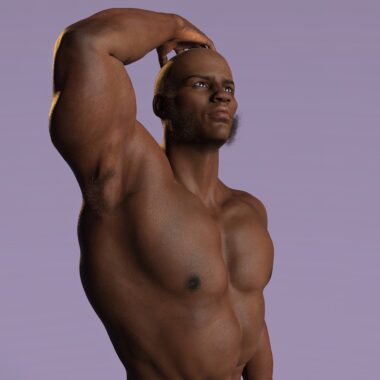
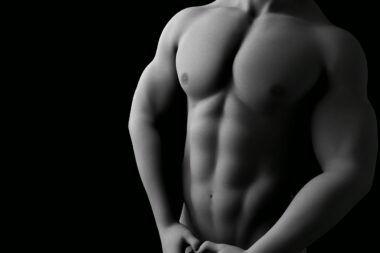
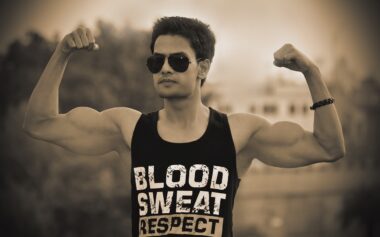
To effectively showcase your muscle group, the front double bicep pose is quintessential. However, even within this classic pose, angles play a vital role. Positioning your body slightly to the side while rotating your shoulders can enhance the definition in your biceps. The right tilt not only highlights muscle fullness but also provides a more dynamic appearance. Additionally, your facial expression matters; maintaining a focused and confident look can further engage the audience. Furthermore, to improve the view of your abs, arching your back slightly will accentuate your core definition, creating a striking visual appeal. In contrast, an overly straight posture might detract from your hard work. Remember, posing is as much about attitude as it is about technique. Each movement should feel natural yet controlled. Pair your muscle presentation with appropriate footwear to maximize your height advantage. Moreover, don’t neglect practice sessions focusing specifically on the front double bicep. Recording yourself can provide valuable insights into which angles work and which don’t. Lastly, ensure that your training regime includes specific exercises targeting bicep growth, allowing your muscles to shine in competition.
Mastering the Side Chest Pose
The side chest pose is another pivotal stance to showcase your upper body development. In this pose, angles can significantly enhance the appearance of your chest and shoulders. Rotating your torso towards the judges while keeping your shoulder high creates an illusion of depth and size. Ensure your front arm is flexed at an optimal angle, directing attention to your peak. This pose allows the pectoral muscles to fully engage, highlighting their definition and breadth. To achieve a more impressive aesthetic, remember to engage your legs; placing your weight on your back leg adds drama to the pose. Keeping your midsection tight is essential to prevent a sagging appearance in the stomach area. Furthermore, coordinating your head tilt can lead to a more attractive profile that captures attention. Since lighting greatly affects muscle visibility, practice staging under similar conditions to competition. The right angle coupled with confident facial expressions will radiate power and poise. Always maintain a relaxed yet muscular demeanor to convey your dedication and preparation. Regularly practicing the side chest pose can contribute significantly to your success in bodybuilding competitions.
A common mistake is failing to incorporate different angles into your choreography. When you transition between poses during a competition, changing your angle can emphasize your muscle group more effectively. For instance, when moving from your back pose to a side pose, subtly altering your angle can enhance muscle depth. Practicing transitions not only prepares you for the competition but showcases your flexibility and control. During transitions, consider fluidity as part of your visual storytelling. This adds professionalism to your performance and allows the judges to absorb each segment of your physique. Additionally, work on maintaining eye contact with the audience and judges throughout your routine. This connection creates a narrative that draws them to your presentation. Also, pay attention to stage presence; keep a strong core that maintains an impressive silhouette. Never underestimate the effect of well-executed transitions paired with powerful trims in your routines. As you practice, record your movements to optimize these crucial changes in angle. Ultimately, mastering your transitions not only complements your angles but significantly uplifts your overall competition performance.
Utilizing Back Poses for Maximum Impact
The back poses in bodybuilding such as the back double bicep and rear lat spread are essential for showcasing overall muscle symmetry. To leverage the best angles in these poses, it is vital to focus on your shoulder width and lower back definition. Positioning your body slightly forward with a tilt can create a favorable angle for judges. Engage your lats fully by pulling your shoulder blades together; this action emphasizes the breadth of your upper body. Furthermore, curling your arms inward while presenting the rear lat spread amplifies muscle visibility dramatically. Consider the visibility of your legs and conditioning; they play a key role in your overall presentation. Keeping your calves flexed not only demonstrates size but also highlights leg cuts. Consequently, a strong, well-defined lower body naturally complements your back musculature in the eyes of judges. Moreover, practice these poses while engaging with strong, impactful expressions; it plays a role in your overall presentation. Regularly incorporating these elements into your routines will ensure that you effectively showcase your strengths during competitions, elevating your chances of success.
The angle of your leg poses is equally as important as your upper body presentations. In poses like the classic physique side leg or front leg pose, angles can enhance muscularity significantly. Good practice involves presenting your legs at various angles to accentuate the definition in your quadriceps and hamstrings. When you shift your weight onto one leg, ensure your hips are turned slightly; this draws attention to the muscle contours and shapes. Flexing your ankles while posed can further emphasize your calves, creating an appealing line from your ankles to your thighs. Moreover, ensure your upper body remains engaged; a sagging upper body can diminish the overall impact of your leg pose. Fluidity in movement between poses should be a priority; this draws the audience’s attention seamlessly across your muscle groups. Practicing transitions between leg and upper body poses keeps your presence dynamic. Always remember to check your positioning and engage with an audience, as this interaction enhances your performance. To refine your leg poses further, ensure you are performing targeted exercises during your workout routines. This will aid in achieving the aesthetics necessary for a successful competition display.
Final Thoughts on Posing Strategy
In sum, mastering the angles associated with muscle group posing is vital for bodybuilding success. Your presentation during competitions can affect the judges’ scores, which may produce remarkable outcomes. Through diligent practice, light understanding, and strategic body movement, you can efficiently highlight each muscle group. Moreover, continue to seek feedback from seasoned competitors and professionals who can provide helpful insight into optimizing your routine. Maintaining a focus on maintaining relaxed but assertive control over your muscle presentation during routines protects you against unnecessary strain or anxiety. Additionally, it’s beneficial to visualize success in your performances; visualizing your angles and how best to present them can help eliminate stage fright. Always keep your emotional connection with the audience heightened; this further enhances the impact of your poses. Furthermore, maintaining disciplined training and nutrition will provide the necessary muscle development to match your posing. Enhancing your muscle group appearance through strategic angles will benefit not just your competition results but also contribute positively to your overall presentation. Always remember that posing is an art form, and like any art, it requires constant revision and practice for perfection.
Lastly, always evaluate your competition footage after each event. This evaluation will provide clear insights into your presentation strengths and weaknesses concerning angles and poses. Watching other competitors’ performances can offer inspiration and ideas that you might incorporate into your routine. Learning from feedback, whether positive or negative, will only improve your muscle group showcasing skills. Engaging with the bodybuilding community can also enhance your experience; sharing tips and practices can lead to personal growth. View posing as an evolving skill, where each competition provides a stepping stone to improvement. Don’t shy away from experimenting during training; testing out various angles can help you find what sets you apart. Remember to integrate this continuous learning into your routine and prepare thoroughly leading up to the competition. This dedication will translate into greater confidence and poise on competition day. Always strive for excellence and remember that each angle you master brings you one step closer to your bodybuilding goals. With the right focus on angles, you can significantly enhance the presentation of your physique for competitors and judges alike.