
Using Accessories and Supports in Powerlifting Training
Powerlifting is a demanding sport that emphasizes strength in three lifts: the squat, bench press, and deadlift. To maximize performance and minimize the risk of injury, athletes often integrate accessories and supports into their training regimen. Accessories like lifting belts, wrist wraps, and knee sleeves enhance stability and support, allowing lifters to focus on form and technique. Using weights heavier than 90% of one’s maximum can lead to strain in the muscles and joints. Therefore, recovery and proper support become crucial components in training routines. Strengthening the main lifts while using supportive accessories can increase overall strength output. The inclusion of accessories, however, must be strategic; over-reliance on them can hinder natural muscle development. This balance allows athletes to perform at their best without compromising their foundational strength. It is also essential to consider individual needs when selecting accessories, as each lifter has unique requirements. Implementing a systematic approach to training with these aids can provide the needed advantage in competitions. Athletes should experiment with different options to determine what enhances their performance effectively.
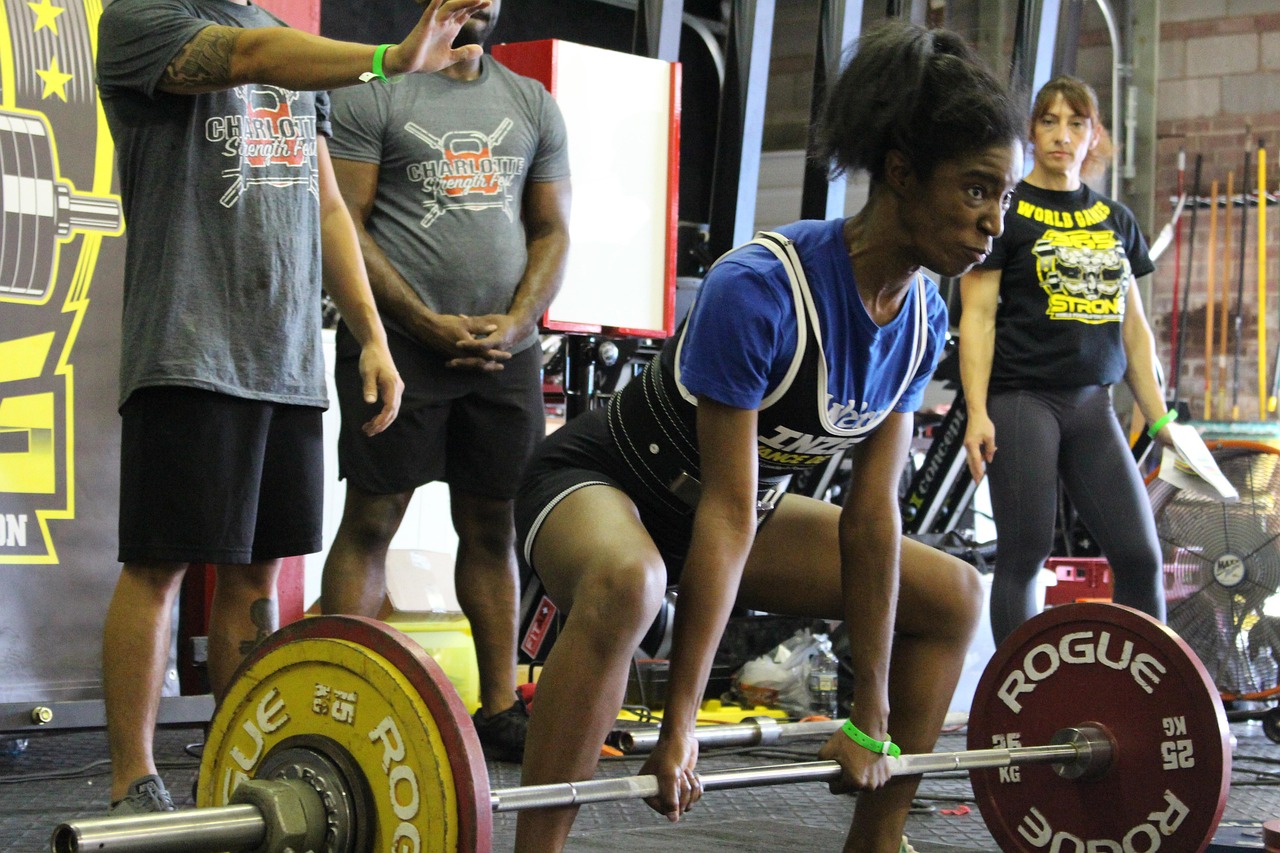
Choosing the right accessories is key to effective powerlifting performance. The range of supportive gear available can be overwhelming, but understanding their functions helps in making informed choices. Lifting belts, for instance, provide additional core stability, reducing the risk of injury and encouraging proper lifting techniques. They can benefit seasoned lifters with heavier weights and are essential during maximal attempts. Wrist wraps help stabilize the wrists during pressing movements, allowing for better control of the weight lifted. Similarly, knee sleeves offer support and warmth to the joints, enhancing lifters’ performance in squatting and deadlifting. Each of these accessories plays a significant role in injury prevention and performance enhancement. Athletes should familiarize themselves with how to use each accessory correctly. Over-dependence can limit true strength development, as relying solely on external aids can prevent muscles from adapting fully to the stresses imposed during lifts. Equipment should be viewed as supplementary tools rather than crutches. Prioritizing personal comfort and a good fit can significantly affect the benefits received from each accessory. Thus, experimenting with different brands and styles is crucial to finding what best suits individual lifting preferences.
Benefits of Using Accessories
The integration of accessories into powerlifting offers numerous benefits that contribute to improved performance and training outcomes. Primarily, these accessories provide mental reassurance and confidence when handling significantly heavier weights. Knowing that there is a support system in place can empower athletes to push their limits. Furthermore, accessories such as squat suits, deadlift suits, and bench shirts are specifically designed to enhance lift performance by adding extra support and compression. For many lifters, this assistance translates to lifting more than they could without these tools. This is particularly advantageous for those aiming to compete at higher levels. Additionally, these accessories can increase grip strength and overall awareness during lifts. Enhanced awareness leads to better technique and form, which are critical for competitive success. Consequently, athletes frequently experience an increase in their overall strength levels attainable through both training and competition scenarios. It creates a beneficial cycle of strength building and confidence enhancement. Ultimately, using the right accessories can foster a greater love for the sport, as lifters find themselves achieving their set goals effectively.
Considering the role of supports and accessories in training is vital to creating a holistic powerlifting program. Personalized training approaches incorporating accessories can address specific weaknesses prevalent in individual athletes. By identifying particular areas needing improvement, lifters can target their workouts more effectively. For example, if a lifter struggles with stability in the squat, using knee wraps or sleeves can increase comfort and offer support as they develop strength in their lower body. Additionally, systematic usage of accessories allows lifters to recover from injuries while safely maintaining training momentum. This recovery aspect cannot be undervalued, especially when managing the rigorous demands placed upon the body throughout powerlifting training. To avoid injury and burnout, accessories can play a vital role in creating the appropriate balance of support during overload. This encourages faithful progression without unnecessary setbacks. Athletes would benefit by adopting factors like proper warmups and cooldowns alongside allowing recovery days designated specifically for rest and rehabilitation. The disciplined approach to integrating accessories further highlights the importance of recovery within athletic training, advocating for practices that enhance long-term lifting success and personal health.
Integrating Accessories in Training Programs
When designing a powerlifting training program, integrating accessories properly is crucial to maximizing benefits while ensuring progress. Lifting belts, wrist wraps, knee sleeves, and other supportive gear should be implemented according to specific lifting cycles. For enhanced performance, athletes can consider using accessories primarily during peak training phases leading up to competition. During this time, the focus would be on maximal lifts, where accessory support can significantly influence outcomes. Alternatively, in phases dedicated to building strength endurance, lighter weights can be lifted without accessories to develop technique and foundational strength. This method fosters muscle growth without the dependency that accessories can create. Also, reviewing progression regularly will enable athletes to determine when adjustments to accessory usage are necessary. Monitoring their own progress allows them to tailor accessory use, emphasizing lifting goals while also prioritizing injury prevention. Additionally, involving coaching input and peer feedback can aid lifters in making the necessary adjustments. Ultimately, balancing accessory use with focus and attention to individual performance gives athletes a competitive edge in their powerlifting journey.
Understanding how to properly use accessories requires education and practice. Athletes must prioritize learning about each accessory’s function and implement them purposefully within training routines. For instance, lifting belts should be worn correctly to ensure that they provide necessary abdominal support during heavy lifts. Adjusting belts too tightly can actually hinder performance; hence, understanding how to find the right tightness is essential. Similarly, wrist wraps offer more than just support; they also allow lifters to maintain proper wrist angles during lifts. To improve technique further, lifters can benefit from exploring resources like instructional videos or expert coaching that showcase the effective use of accessories. Communities of powerlifters often share their experiences and advice about product options, enabling individuals to make informed choices. By connecting with seasoned lifters, newbies can glean valuable insights. Additionally, attending workshops or powerlifting clinics can deepen understanding, effectively training for longevity in the sport. The combination of hands-on experience and educational resources tremendously empowers athletes to harness accessories as tools for success rather than restrictions. Mastering these elements culminates in a powerful training experience.
Conclusion
In summary, incorporating accessories and supports into powerlifting training significantly enhances performance and safety throughout an athlete’s journey. These tools can provide essential stability, thereby allowing lifters to push their boundaries while minimizing injury risks. However, using them appropriately and understanding their intended benefits is key to maximizing their effectiveness. Lifting belts, wrist wraps, knee sleeves, and various other supports can empower athletes by increasing confidence and fostering growth through improved technique. Striking the right balance in accessory usage ensures that strength continues to develop without compromising the body’s natural adaptability. Athletes should remain vigilant in combining accessory use with proper form, recovery strategies, and ongoing education relating to best practices. Monitoring progress diligently is also essential for determining the effectiveness of accessories in achieving strength goals. By remaining committed to learning and adaptation, athletes can ensure that their training remains dynamic and responsive. Consequently, power lifters can embrace both their personal growth alongside community involvement, as they navigate the vast industrial learning curve within powerlifting. The proper use of accessories can create a more sustainable and enjoyable powerlifting experience for everyone involved.
Being methodical about the use of accessories will deepen the understanding of training within the sport of powerlifting. With commitment, athletes will cultivate a lifestyle that champions self-improvement, wellness, and resilience. To conclude, exploring how accessories influence lifting illustrates the versatile nature of training while ensuring that individuals remain injury-free in pursuit of personal bests. These tools are not simply for enhancement; they symbolize strategy in reaching one’s utmost capability.