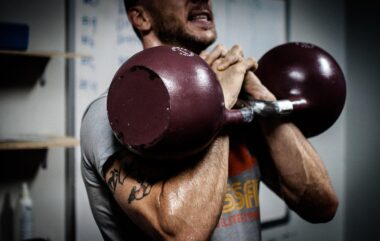

Training Grip Strength with Kettlebells for Better Life Performance
Grip strength is an often-overlooked aspect of overall fitness that can greatly impact daily life activities. Using kettlebells in your workout routine can enhance grip strength, leading to numerous benefits beyond just lifting. A strong grip allows you to carry heavy loads, perform exercises efficiently, and even prevents injuries during daily tasks. Engaging in kettlebell workouts improves functional strength, making life tasks easier and more manageable. Research suggests that a strong grip is often correlated with increased overall strength and even longevity. As you develop your grip strength through kettlebell training, you can function better and enjoy a healthy lifestyle. Not only does grip training boost performance in sports, it can enhance performance in recreational activities such as gardening or carrying groceries. The secret lies in the dynamic movements kettlebells provide, which require stabilization and coordination from your hands and forearms. This article explains how incorporating kettlebell workouts into your routine can help build grip strength effectively, allowing you to live a more active and productive life. Your journey to improved grip strength starts with learning and practicing the right kettlebell exercises.
The Basics of Kettlebell Training
Understanding kettlebell training is crucial for increasing grip strength. Kettlebells differ from traditional weights, providing a unique center of gravity that promotes functional movements. This unique design requires your grip to stabilize the weight throughout the range of movement during exercises. With kettlebell swings, for example, the weight shifts, demanding engagement from your grip, forearms, and shoulders. Effective kettlebell training should be systematic, focusing on grip orientation, body positioning, and breathing techniques to maximize benefits. Your routine should begin with basic movements such as deadlifts, swings, and cleans, gradually increasing difficulty with variations. Consistency is key; aim for two to three sessions a week, working towards progressively challenging weights. As your grip strength improves, consider adding advanced exercises like snatches and Turkish get-ups, specifically targeting grip endurance. Moreover, consider cycling through heavier rounds to stimulate various muscle contractions promoting strength. Engaging in these variations not only builds grip strength but also promotes overall stability and coordination, essential for performance enhancement in both athletic and everyday activities.
Utilizing proper techniques and focusing on your grip is vital when performing kettlebell exercises. An adequate grip involves wrapping your fingers around the handle while ensuring a firm hold during lifts. A common mistake is allowing the kettlebell to slip, which can lead to inefficiency and potential injury. Instead, practice maintaining an active grip by squeezing the kettlebell throughout lifts. Not only will this improve grip strength, but it also stabilizes the entire movement. Another key aspect to consider is the range of motion during lifts. Try to avoid abrupt, jerky movements; rather, focus on smooth, controlled lifts that engage your grip throughout the entire exercise. Integrate exercises that specifically emphasize grip strength, such as single-arm kettlebell rows or alternating presses, effectively targeting grip endurance. Incorporating pauses during your lifts allows you to focus on engaging the grip, enhancing the neurological connection between the brain and muscle. This approach fosters improved grip development while building muscle memory. Use these techniques to maximize gains in grip strength, essential for enhancing overall life performance.
Progressive Overload and Grip Strength
Progressive overload is critical for continual improvement in grip strength. As with any form of resistance training, gradually increasing the load over time is essential to avoid plateaus. For kettlebell workouts, this means selecting heavier kettlebells or increasing the volume through additional sets and repetitions. Start slow and focus on the quality of movement as you add more weight. Additionally, consider the total time under tension; slowly lowering the kettlebell during your reps can enhance muscle engagement and grip strength. To implement progressive overload effectively, cycle through a structured program, balancing heavier loads with lighter days to allow for recovery. Using a log or app to track your progress helps adhere to a plan and leaves room for adjustments. While striving for heavier weights, listen to your body to prevent overtraining. Early signals of fatigue may indicate it’s time to adjust your intensity. Moreover, integrate grip-focused accessory exercises, such as farmer’s walks, into your regimen to boost grip endurance specifically. This will further enhance your overall kettlebell performance, promoting better life functionality.
Nutrition also plays an important role in supporting your grip strength training. Fueling your body with the right nutrients will aid recovery and muscle growth, essential for strength improvement. Focus on a balanced diet rich in protein, healthy fats, and complex carbohydrates. Quality protein sources, such as lean meats, fish, and legumes, help promote muscle repair post-workout, aiding grip strength gains. Healthy fats, found in seeds, nuts, and avocados, provide the energy necessary for intense training sessions. Additionally, complex carbohydrates, derived from whole grains and vegetables, supply sustained energy for your workouts. Staying adequately hydrated is crucial as well, since even minor dehydration can impair performance and reduce grip strength. Supplements can also be beneficial, but always consult with a healthcare provider before introducing new products. Monitoring recovery nutrition after workouts ensures your body is primed for the next training session, promoting effective results over time. With attention to both workout technique and nutrition, developing grip strength through kettlebell training becomes an achievable goal that boosts overall life performance.
Real-life Benefits of Strong Grip
The advantages of enhanced grip strength extend beyond the gym, impacting daily activities and preventing injuries. A strong grip can significantly aid in performing everyday tasks like lifting, carrying, or opening jars without discomfort or difficulty. It can also enhance athletic performance in activities requiring grip strength, such as rock climbing or gymnastics. Furthermore, grip strength plays a role in injury prevention by stabilizing joints and enhancing body awareness. This stabilization helps mitigate risks associated with falls or unexpected movements, making it a vital skill set as we age. Older adults, in particular, benefit from strong grip strength because it can directly correlate with better health outcomes and independence. It serves as a predictor of functional decline; those with weaker grips may encounter mobility issues or increased injury risks. Engaging regularly in kettlebell workouts can fortify strength, warding off potential exhaustion and injury. By focusing on grip training, you’re investing in a foundation for active, healthy living throughout your life, allowing you to enjoy activities without limitation.
Ultimately, kettlebell workouts provide a dynamic approach to improving grip strength while enhancing overall performance. Incorporating these exercises creates a strong link between grip development and functional fitness, enabling various physical activities with ease. Cross-training with kettlebells can stimulate other fitness areas, enhancing full-body conditioning. As you progress, consider joining group classes or seeking out professional trainers to improve your technique and motivation. Community support can foster encouragement and unleash possibilities never envisioned with your fitness journey. Staying consistent with your workouts and challenging yourself will yield results, ultimately leading to a boost in both your grip strength and functional fitness. Lastly, celebrate your progress; tracking your advancements provides insights on how much you’ve improved while reinforcing your commitment to fitness goals. Kettlebell workouts can transform your strength and the quality of life you experience. Ultimately, the better grip strength you have, the more impactful your daily performance and activities will be. Are you ready to elevate your training with kettlebells and see how gripping life can be?
Conclusion: The Journey to Better Grip Strength
Your journey to better grip strength will improve not only your kettlebell workouts but also your daily life. By implementing the strategies outlined above and pursuing a regular kettlebell routine, you can maximize your potential. Remember to focus on form, progressively overload, and fuel your body with proper nutrition to see transformative results. Engaging in strength training through kettlebells will not only build physical strength but also instill confidence and motivation. Working towards improved grip strength goes beyond aesthetics; it creates a path toward enhanced well-being. Whether you’re lifting heavy objects or performing versatile movements in daily life, your new-found grip strength will become an invaluable asset. Continuing to challenge yourself and trying new workouts will keep your routine fresh, providing opportunities to discover new milestones. In the end, the fusion of calculated training, mindful nutrition, and community support will solidify the principles needed to increase grip strength effectively. Are you prepared to seize your kettlebell workouts and unlock your true potential? Embrace your journey today, and live your best active life!