
Impact of Aerobic Exercise on Female Reproductive Hormones
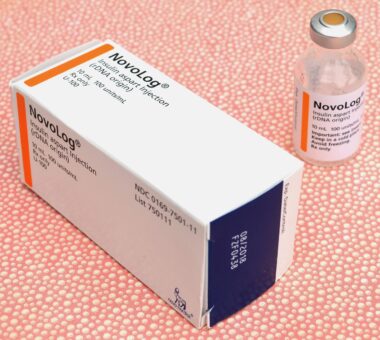
Aerobic exercise has gained significant attention for its positive effects on female reproductive hormones. Its impact extends to overall hormonal balance and reproductive health. This exercise type can influence various hormones such as estrogen and progesterone, which are crucial for maintaining menstrual cycles. Engaging in aerobic activities like running, cycling, or swimming can encourage hormone regulation, among other health benefits. Notably, studies suggest a correlation between regular aerobic exercise and lower levels of estrogen dominance, promoting better hormone receptivity throughout the menstrual cycle. This balance could potentially alleviate symptoms associated with hormonal fluctuations, such as mood swings or menstrual discomfort. Furthermore, aerobic exercise may also enhance insulin sensitivity, positively affecting hormonal equilibrium. By fostering a healthier metabolic state, women may experience improved energy levels and weight management, which can, in turn, influence hormone production. These effects underscore the importance of incorporating aerobic routines into female fitness regimens for optimal hormonal health. Overall, addressing hormonal dynamics through exercise plays a pivotal role in long-term reproductive wellness and contributes to improved quality of life for many women.
While aerobic exercise benefits female reproductive hormones, the intensity and type of exercise significantly influence outcomes. The relationship between exercise duration and hormonal response is complex, requiring individual assessment for best results. Research shows that moderate-intensity aerobic activities are often more beneficial than high-intensity workouts, especially concerning hormonal fluctuations. Moderate sessions, like brisk walking or leisurely swimming, may stabilize hormonal rhythms, while overly strenuous sessions can lead to elevated stress hormones like cortisol. Additionally, cortisol can suppress reproductive hormone production, creating imbalances. Thus, understanding one’s personal fitness level is essential before embarking on a new aerobic regimen. Furthermore, combining aerobic exercises with strength training can provide a balanced approach to fitness. This combination can optimize hormonal health while enhancing overall muscle tone and metabolism. It’s essential to consider any pre-existing medical conditions that may be influenced by exercise. Consulting healthcare professionals can provide guidance tailored to individual needs. As a result, women can maintain an effective and sustainable fitness plan that positively influences hormone levels and supports long-term reproductive health.
Hormonal Benefits of Regular Aerobic Exercise
One of the primary benefits of regular aerobic exercise is its role in promoting hormonal balance. This exercise helps regulate estrogen and progesterone levels, making cycles more predictable and manageable. A well-structured aerobic routine has been associated with improved immune function. Consequently, improving energy levels can be advantageous during menstruation. Moreover, healthy hormone levels can influence ovarian function, leading to enhanced fertility over time. Aerobic exercise, especially at moderate levels, encourages fat loss, which is critically related to hormone production and balance. Excess body fat can lead to increased estrogen levels, which may promote conditions such as polycystic ovary syndrome (PCOS) or endometriosis. Therefore, regular aerobic activity helps mitigate these risks through healthier body composition. Additionally, forms of aerobic exercise like dancing or cycling may alleviate psychological stress, further benefitting reproductive hormones. Psychological wellness feeds back into hormonal health. Stress relief supports lower cortisol levels, encouraging healthier ovarian function. Embracing diverse aerobic activities fosters a holistic approach to reproductive wellness. These modalities together create an enriching environment supporting both mental and hormonal health for women seeking stability and health.
Another crucial aspect to consider is the timing of aerobic exercise within the menstrual cycle. Understanding the menstrual phases may help optimize the benefits of exercise on hormone levels. For example, during the follicular phase, when estrogen levels rise, engaging in aerobic activities can amplify the hormone’s positive effects, promoting better strength and endurance. On the contrary, exercising during the luteal phase may require a different approach, as hormone levels fluctuate. Some studies emphasize lower-intensity activities during this segment, which can ease fatigue and support hormonal equilibrium. Listening to one’s body and adjusting the intensity accordingly is critical for optimizing outcomes. Women should also focus on adequate recovery, as insufficient rest may hinder hormonal adaptation. Adequate rest allows for recovery from stressors and prevents hormone disruption. Proper sleep patterns further facilitate hormonal regulation involved in the menstrual cycle. Investing in both aerobic exercises and recovery allows women to achieve a higher level of hormonal health. As this synergy develops, it highlights the importance of a balanced routine addressing not only workouts but recovery strategies to ensure optimal hormonal well-being.
Diet and Aerobic Exercise: A Combined Approach
The interaction between diet and aerobic exercise plays an integral role in maintaining hormonal health. A well-balanced diet supports exercise outcomes, significantly influencing hormones. Nutrition provides essential nutrients necessary for optimal metabolic functioning and hormone synthesis. Women focusing on aerobic activities may benefit enormously from incorporating a range of whole, organic foods. Nutrient-dense options such as fruits, vegetables, whole grains, and lean proteins can enhance energy levels, aiding workout performance. Moreover, healthy fats, like those found in avocados and nuts, are vital for hormone production. Additionally, hydration is imperative for maximizing workout benefits and sustaining hormonal balance. Sufficient water intake supports metabolic functions, allowing the body to regulate processes effectively. In contrast, excessive processed foods and added sugars can lead to hormonal imbalances, postponed recovery times, and increased stress on the body. Therefore, paying attention to dietary choices while adhering to a structured aerobic routine can significantly impact hormonal health. Quality nutrition combined with aerobic exercises fosters optimal energy levels and hormonal regulation that support reproductive health. This combined approach is crucial for women seeking to improve overall fitness sustainably.
As women embark on their fitness journeys, maintaining clear goals and realistic expectations is paramount. Acknowledging that aerobic exercise alone cannot guarantee immediate hormonal balance is essential. Women should recognize that hormonal health is influenced by numerous factors, including genetics, lifestyle choices, and stress levels. An individualized strategy incorporating personalized elements tailored to one’s needs fosters greater success in achieving hormonal stability. Moreover, keeping track of progress through journals or apps can aid in recognizing patterns related to menstrual cycles and exercise impact. This awareness cultivates a deeper understanding of which activities yield the most significant benefits. Importantly, mental health also plays a vital role in hormonal balance. Regular engaging in enjoyable activities can enhance mental well-being and encourage sustained motivation for aerobic routines. Finding a community or support network can amplify this effect, offering motivation and accountability. As women progress through their fitness journeys, cultivating resilience and adaptability promotes long-term success. Prioritizing hormonal health will reinforce women’s ability to thrive in both personal and fitness realms, cultivating a holistic approach to health and well-being.
Conclusion: Long-Term Vision for Hormonal Health
In summary, aerobic exercise plays a fundamental role in supporting female reproductive hormones and overall hormonal health. This exercise type encourages various benefits, from improved menstrual cycle regulation and lowered stress levels to enhanced fertility. However, individual approaches must consider overall lifestyle choices beyond mere exercise routines. The interplay between nutrition, sleep, and exercise significantly influences hormonal balance. Women must remain attuned to their bodies, adjusting exercise and recovery based on menstrual cycles and individual responses. Being proactive about one’s health journey will require consistent evaluations and adaptations to best fit personal needs and goals. Emphasizing a holistic approach may pave the way for achieving optimal hormonal wellness through aerobic methods. Women should prioritize their well-being continually, engaging in fun and fulfilling aerobic activities that suit their personal preferences. Seeking guidance through healthcare professionals and fitness experts can help women navigate their specific concerns. With the right strategies and a commitment to health, women can foster a long-term vision for improved hormonal health through consistent aerobic exercise, ensuring a healthier, enhanced quality of life.
This is another random paragraph just to fulfill the requirement.