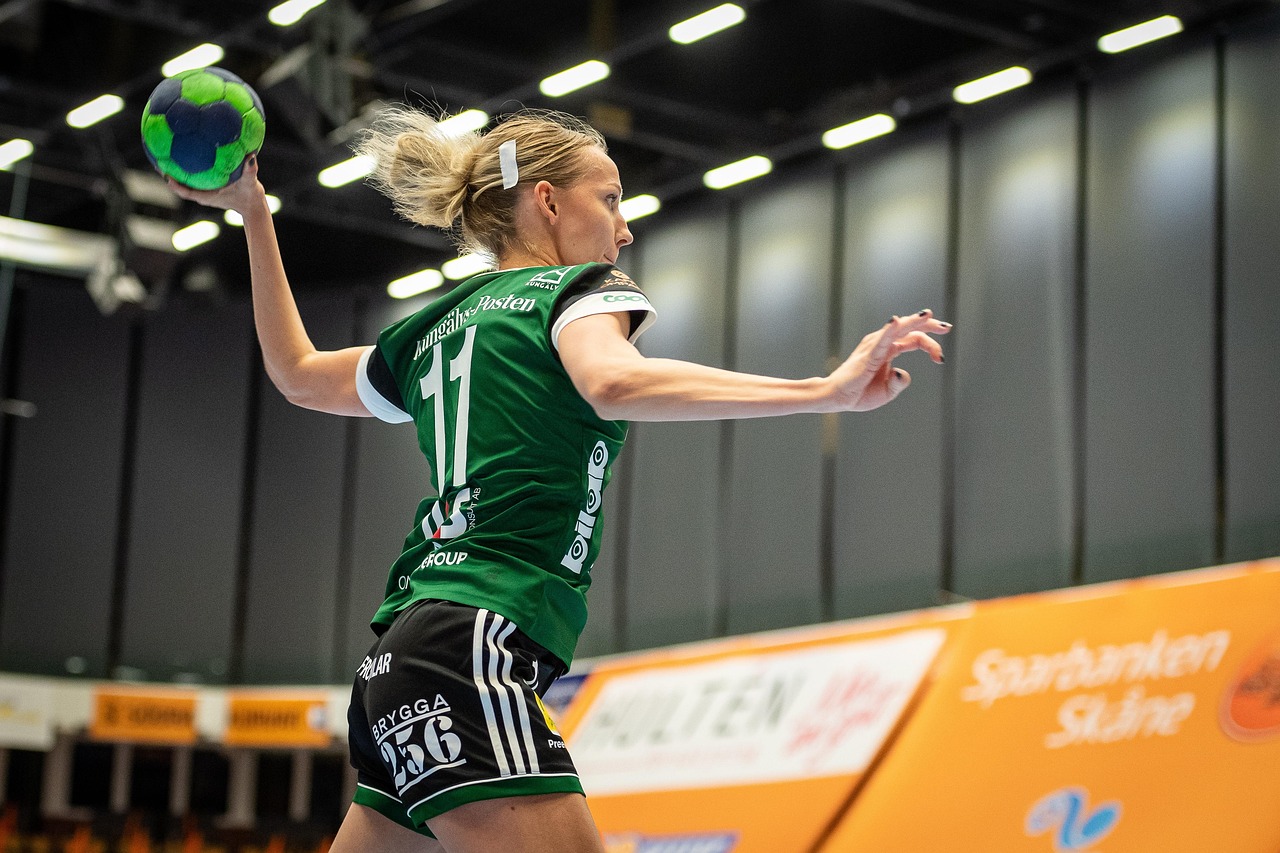

How Women Can Excel in Traditionally Male-Dominated Sports
Women have been breaking barriers in traditionally male-dominated sports for decades, showcasing their incredible strength and resilience. Key sporting disciplines like rugby, football, and weightlifting are industries witnessing a significant rise in female participation. One of the primary factors that have contributed to this increase is the ongoing shift in societal attitudes towards gender roles and capabilities. Organizations and sports federations are now more focused on creating equitable opportunities for women, which is evident in their increased investment in female athletes. Female athletes are proving their mettle through high performance, challenging stereotypes in the process. The visibility of women empowered in athletics encourages the next generation to pursue interests in sports regardless of gender. This shift fosters an inclusive environment that strengthens communities and promotes healthy lifestyles. It’s essential to showcase successful female role models who defy conventional expectations, as they inspire young girls everywhere. Additionally, social media platforms have played a crucial role in creating awareness and support for women’s sports, further enhancing their representation. Investing in women’s sports not only benefits female athletes but also uplifts entire communities, showcasing the power of equality.
As the landscape of sports evolves, so does the mentality surrounding female athletes. Women excelling in sports that have been predominantly male-focused can attribute their success to rigorous training, focus, and determination. Such success requires resilience, which is key in overcoming physical and mental barriers. Coaches play an important role, offering specialized training and strategy to maximize performance. An increasing number of female coaches in these sports provides insights and creates a supportive environment. Furthermore, active participation in women’s sports can build a sense of community, allowing female athletes to form networks of support among themselves. These support systems encourage athletes to push their limits and compete at higher levels. Visibility also plays a vital role in breaking down barriers; sports events featuring female athletes challenge preconceived notions about women’s capabilities. Surrounding oneself with positive influences and engaging in mentorship programs can greatly impact personal growth. Stories of established athletes can serve as motivation. As women continue to excel in sports once thought unimaginable, they inspire countless girls to engage in athletic endeavors, fostering a culture where women can thrive in every field, including sports.
The Importance of Training and Preparation
Train hard, compete harder is a mantra that resonates strongly with successful athletes. The importance of rigorous training regimes cannot be understated for women wanting to excel in traditionally male-dominated sports. Establishing a consistent training schedule dedicated to skill development, strength training, and mental conditioning is paramount. Coaches should tailor their coaching style to address the unique challenges faced by female athletes, ensuring personalized approaches maximize potential. A combination of psychological resilience and advice about injury management becomes crucial, particularly in competitive environments. Access to quality training facilities and resources remains essential; many organizations are prioritizing inclusivity by investing in women’s sports programs. Nutrition also plays an important role in maximizing athletic performance. Female athletes need to develop a diet that supports their training and recovery goals and addresses specific health concerns they face. Engaging with sports nutritionists can provide valuable guidance in achieving optimal performance. Women must advocate for their needs and create awareness surrounding specific dietary considerations. Through such comprehensive training regimens and support systems, women can compete and excel in highly competitive arenas, demonstrating their unfaltering spirit and resolve.
Creating an empowering environment necessitates supporting women who participate in traditionally male-dominated sports. The media should play a pivotal role in elevating women’s sports coverage, highlighting their achievements to build awareness and admiration for female athletes. Increasing representation in articles, interviews, and documentaries fosters a more inclusive perception of women’s capabilities. This representation challenges historical stereotypes and encourages aspiring athletes to participate. Sponsorship and financial support remain core components of elevating women’s sports. Brands increasingly understand the importance of their sponsorships; investing in female athletes is not only smart business but necessary for creating role models within communities. Female athletes need strong endorsements to maximize their potential. Engaging with the audience through social media can help build a personal brand that resonates well with followers. Platforms such as Instagram and TikTok allow women in sports to share their journey and connect with fans directly. Initiatives like grassroots campaigns nurture upcoming female talent. Schools and local clubs can remove the stigma of gender separation in sports while encouraging girls to discover their potential. With continued focus on female representation and support, women’s participation in all sports can thrive.
Overcoming Challenges and Stereotypes
Navigating through traditionally male-dominated sports involves overwhelming challenges and stereotypes that female athletes continuously confront. Societal expectations frequently cast doubts on their capabilities and determine participation levels. Like any athlete, female sports enthusiasts encounter obstacles in training, competition, and recognition. Awareness around mental health is crucial in this regard; female athletes must not only excel physically but also prioritize mental resilience. Creating mentorship programs where seasoned athletes guide newcomers can foster a stronger community and combat negative stereotypes. Open discussions about challenges faced can help remove stigmas while encouraging hopeful athletes to seek assistance. Women excelling in sports exemplify perseverance against adversity; their experiences help motivate others to break barriers. Furthermore, women can find strength in solidarity as they support one another. Learning about health issues and barriers specific to female athletes fosters understanding and emphasizes the need for equitable resources. Advocacy groups and initiatives centered around women’s athletics can lead to policy changes ensuring better support systems for female athletes. Ultimately, dismantling stereotypes will allow women to thrive in sports and contribute positively to society’s perception of gender in sports.
Recognizing achievements is crucial to nurturing talent and growth in women’s sports. Celebrating milestones, including personal bests, team victories, and breaking barriers, helps to reinforce the positive narrative surrounding female athletes. Such acknowledgment encourages continued participation and boosts self-esteem among competitors. Awards and public recognition can motivate not only the individual but entire teams and local clubs. By showcasing success stories, awareness is raised of women’s athletic capabilities. Schools and associations should also promote female achievements through various mediums, including newsletters, blogs, and social media. Engaging in storytelling through diverse channels is key to establishing community pride. Stronger visibility amplifies the achievements of women, encouraging future generations to explore athletics. Championing women’s stories helps create legacy pathways whereby young girls feel inspired to follow their passion. Additionally, sports organizations can develop annual awards to celebrate women who have made significant impacts in their respective sports. Such recognition helps in creating role models that other aspiring female athletes can look up to. The more successes are broadcasted, the more normalization occurs regarding women excelling across disciplines. Together, these efforts foster an inclusive athletic culture that empowers women.
Building a Supportive Community
Developing a supportive community around women in sports is essential in promoting an encouraging culture that empowers female athletes. Creating inclusive spaces where women can connect, share experiences, and mentor each other offers unimaginable benefits. Sports clubs and organizations should emphasize diversity and inclusion in their policies and encourage female participation in leadership roles. Key initiatives may include workshops, training camps, and mentorship programs specifically designed for aspiring female athletes. By fostering safe environments, women are more likely to collaborate, share their expertise, and motivate one another to succeed. Networking opportunities can also provide pathways for partnerships, sponsorships, and professional development. Growing participation in female-exclusive events allows women to enhance skills while building camaraderie. Following a collaborative approach strengthens relationships and fosters resilience. Team-building exercises and community outreach initiatives can help develop a robust network of like-minded individuals. Athletes can support each other’s growth by sharing resources and advocating for fair treatment in sports. Female athletes willing to share challenges and successes will contribute to a culture where women feel empowered to participate fully. Together, they can redefine gender norms in sports, encouraging more participation from young girls.
In summary, women can excel in traditionally male-dominated sports through determination, resilience, and community support. Society is witnessing a revolution that promotes gender equality in athletics. Empowering women involves dismantling barriers, investing in their training, and celebrating successes. As organizations make strides to create equitable opportunities, the visibility of female athletes will help inspire young girls. Mentorship, community networks, and social media amplify their voices, showcasing outstanding performances. Henceforth, families, schools, and sports organizations must foster environments that nurture female talent wholeheartedly. Proper training, mental health support, and commitment to breaking stereotypes transform societal perceptions of women in sports. As awareness grows regarding athletes’ needs, their journeys and achievements will continue to uplift future generations. We encourage everyone to create avenues for growth and advocate for women’s sports to thrive. Celebrating these athletes leads to an inclusive sporting landscape where equality reigns. Women will achieve remarkable things, paving the way for a future where all are treated equally. Their strength, passion, and determination will alter perceptions and inspire others to actively engage in pursuits of their dreams in athletics and beyond.