
Comparing Traditional Cardio to Virtual Reality Cardio Workouts
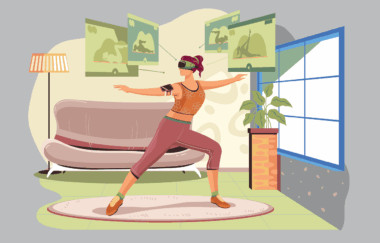
In recent years, the fitness landscape has dramatically transformed with the emergence of various technologies. One such innovation is virtual reality (VR), which provides an immersive experience for users during cardio workouts. While traditional cardiovascular exercises offer time-tested benefits, VR workouts introduce a unique twist that makes them appealing. Traditional cardio often involves activities like running, cycling, or using an elliptical machine where the focus is primarily on the physical exertion. However, the monotonous nature of these workouts can lead to a lack of motivation. In contrast, virtual reality workouts create an engaging environment that transports users to various settings, such as tropical beaches or mountainous terrains. This distraction can significantly enhance the workout experience, leading to increased adherence to fitness routines. Moreover, VR workouts often include interactive elements, making them more enjoyable and competitive. Users can track their progress, compete with friends or virtual opponents, and even level up, all of which can help maintain excitement and commitment to a workout regimen. This dynamic can cater to both beginners or experienced athletes.
In addition to enhancing motivation, virtual reality cardio workouts provide a different approach to measuring performance. With traditional cardio workouts, metrics such as heart rate, duration, and calories burned are typically monitored through wearable technology or gym machines. While this data is beneficial, it often lacks the immersive element of feedback. In VR workouts, users receive real-time feedback not only through statistics but also via an engaging virtual coach who guides them. This interactive feedback can motivate users to push harder, achieving better results. Additionally, VR workouts often incorporate gamification, where users can earn rewards and achievements, adding to the excitement of achieving personal fitness goals. In traditional workouts, the progress can sometimes feel linear and repetitive, resulting in diminished enthusiasm over time. In contrast, the gamified elements of VR offer users a sense of accomplishment and encourage them to return for more sessions. Furthermore, VR systems often analyze performance and adapt future workouts accordingly, catering to individual fitness levels, which is a significant leap from traditional methods.
The Social Aspect of VR Workouts
Another advantage of virtual reality cardio workouts is their ability to foster a sense of community. While traditional cardio exercises can be solitary activities, VR technology allows for social interaction in real-time, even from the comfort of one’s home. Users can connect with friends or join fitness communities, participating in competitive challenges that simulate a gym environment. This social engagement enhances motivation and accountability, making it less likely for users to skip workouts. For instance, some VR platforms enable users to train in multiplayer environments, where they can see and interact with others, akin to joining a group class. Such interactions not only enhance motivation but also provide a greater sense of belonging among participants. This sense of community can be especially beneficial for individuals who may struggle with traditional fitness settings, allowing them to work out alongside others without any judgment. The collaborative aspect of VR workouts can lead to improved outcomes as users support and push one another, making the fitness journey more enjoyable overall.
Furthermore, the accessibility of virtual reality workouts provides an edge over traditional methods for many individuals. Traditional cardio workouts often require specific equipment or access to a gym, which can be a barrier for some. In contrast, VR workout programmes typically only require a headset and hand controllers, making it easier for people to start their cardio journey at home. For those unable to access a gym or who feel intimidated by traditional workout environments, VR offers a solution. The convenience of working out at home also allows for greater flexibility in scheduling, enabling users to partake in workouts that fit their personal timetables. This can be particularly advantageous for busy professionals and parents who need to combine their fitness routines with family or work responsibilities. Moreover, various VR platforms provide a wide range of options, catering to different tastes and preferences, from dance-based workouts to high-intensity interval training. The diversity in workout styles further supports users in finding activities they genuinely enjoy, increasing the likelihood of long-term commitment and results.
Physical Benefits of VR Cardio Workouts
From a physical standpoint, both traditional and virtual reality cardio workouts contribute significantly to cardiovascular health. Traditional cardio exercises like running and cycling enhance heart function and improve lung capacity. Similarly, VR cardio workouts are designed to elevate heart rates and improve endurance as users engage in various interactive scenarios. By keeping users engaged, these VR workouts can lead to prolonged sessions, potentially resulting in more calories burned over time. Studies indicate that a more engaging workout routine can result in improved fat loss and muscle toning as users execute movements in interactive environments that increase their physical activity levels. Additionally, the variety in VR environments can introduce new movement patterns that are less common in traditional workouts, thereby potentially improving coordination and agility. Individuals participating in VR workouts express higher feelings of enjoyment and accomplishment, which can lead them to push beyond their perceived limits. This shift can produce positive long-term outcomes, leading to established fitness habits and a healthier lifestyle overall, showcasing the effectiveness of VR in revolutionizing cardio workouts.
However, it is important to weigh the potential downsides of virtual reality workouts as well. While VR technology offers immersive experiences, it can also potentially lead to motion sickness or discomfort for some users, especially during intense cardio sessions. Users may experience symptoms like dizziness or nausea if not accustomed to VR environments. Additionally, prolonged use can contribute to strain on the eyes, especially without adequate breaks. Traditional cardio workouts, on the other hand, tend to not have these issues and can be performed anywhere without the need for technology. It’s essential for users to approach VR workouts with caution, ensuring that they acclimatize to the technology properly. Moreover, ensuring that the workout environment is safe and free from obstacles while wearing a headset should be a priority to prevent accidents or injuries. Users should also be mindful of their own physical limits, just as in traditional workouts. Therefore, a blend of traditional and VR workouts may provide a balanced approach to fitness that addresses the limitations of both methods.
Conclusion
To conclude, comparing traditional cardio workouts with virtual reality workouts unveils distinct advantages and challenges associated with both methods. Traditional cardio remains a reliable way to improve cardiovascular health and develop routine fitness habits, benefiting from its universal accessibility and minimal equipment needs. However, the introduction of VR workouts transforms the experience into something much more engaging and interactive. VR offers unparalleled motivation and community, with features that can enhance adherence to fitness regimens significantly. For individuals looking to spice up their workout routines, incorporating elements of VR can present new challenges while making exercise fun. Nonetheless, it is crucial to balance the benefits with potential downsides, ensuring user comfort and safety is prioritized when using VR. Ultimately, the choice between the two methodologies may depend on personal preferences, goals, and experiences. A combination of both methods could yield the best results, enabling individuals to enjoy the best of both worlds while optimizing their fitness journeys.
As the fitness industry continues to evolve, embracing the innovative technology of virtual reality can lead to unprecedented changes in workout routines. Combining traditional methods with cutting-edge VR technology may ultimately enhance the overall effectiveness of exercising. Users can tailor their workouts to align with their unique preferences, gaining the chance to experience enjoyable, motivating, and beneficial workouts that keep them engaged. With advancements in VR technology, the future of cardio workouts appears promising, offering possibilities that stretch beyond conventional boundaries. The potential for virtual reality to reshape fitness is enormous, and it’s a bright future for fitness enthusiasts looking for new and improved ways to break a sweat.