
Breathing Techniques to Reduce Anxiety and Promote Calmness
Breathing exercises are powerful tools to effectively reduce anxiety and promote a sense of calmness. These techniques can allow anyone to regain control over their thoughts and feelings during stressful moments. By tuning in to our breath, we create an opportunity to bring awareness to our mind and body. Whether you are dealing with daily stressors or facing significant life changes, implementing simple breathing strategies can empower you to manage anxiety better. This article explores various breathing exercises and techniques specifically designed for relaxation and tranquility. By consistently practicing these methods, you can learn to calm your nerves, reduce tension, and cultivate a greater sense of peace within yourself. Each technique can be adapted to fit your personal preferences and lifestyle. To begin, find a comfortable space where you can focus on your breath without distractions. Next, it’s essential to understand the importance of proper posture while practicing these exercises. Ensuring that your spine is aligned and shoulders are relaxed will enhance your experience, allowing you to fully reap the benefits of these breathing techniques.
One effective breathing technique is the 4-7-8 method, known for its profound calming effects. To practice this technique, follow these steps: Start by sitting or lying in a comfortable position. Next, close your eyes and take a deep breath in through your nose for a count of four. Hold that breath for a count of seven, allowing your body to fill with air. Finally, exhale slowly through your mouth for a count of eight, releasing any tension. Repeat this cycle for four complete breaths to fully embrace the calming effects. This method works by slowing your heart rate, helping to reduce anxiety levels naturally. The 4-7-8 technique also encourages mindfulness, as it necessitates full attention to your breath and counting. As you practice regularly, you may find an increased ability to manage stress. Whether you face anxiety at work, during social situations, or at home, this tool can be a game-changer. Just remember that consistency is critical. Over time, you will develop a better understanding of your breath patterns and the ability to use this technique to your advantage.
Diaphragmatic Breathing for Stress Relief
Diaphragmatic breathing, or belly breathing, is another beneficial technique for reducing anxiety and enhancing calmness. This method focuses on using the diaphragm effectively, promoting deeper, fuller breaths that engage the entire abdomen. To practice this type of breathing, find a comfortable position, either seated or lying down. Place one hand on your chest and the other on your abdomen. Inhale slowly through your nose, aiming to fill your lungs and expand your belly while keeping your chest relatively still. This focus on engagement allows for increased oxygen intake and promotes relaxation. Hold your breath for a moment before exhaling slowly through your mouth, gently pushing the air out while deflating your abdomen. Repeat this cycle for several minutes, maintaining awareness of your body’s sensations. Diaphragmatic breathing is especially helpful during high-stress situations, making it an excellent tool for everyday use. This simple yet powerful technique can shift your focus from anxiety to a state of relaxation, aiding in emotional regulation. As you hone this skill, you may notice improvement in mental clarity and emotional resilience.
An additional breathing exercise worth exploring is the box breathing technique. Originally used by navy seals to manage stress under pressure, box breathing involves taking slow, deliberate breaths. The steps are straightforward: Inhale through your nose for a count of four, hold your breath for another count of four, exhale through your mouth for a count of four, and hold again for the same duration. Visualizing a box while performing this exercise can enhance the experience, as you mentally trace the shape with your breath. Regular practice can create a remarkable difference in your mental state and promote relaxation when stress arises. Box breathing encourages concentration on your breath, allowing distractions to fade away. This approach empowers you to take control of your response to stressors and anxiety-inducing situations. This technique is particularly useful in preparing for stressful events or calming your mind before sleep. It encourages a focused state of mind and the ability to remain present in challenging circumstances. Overall, box breathing serves as an exceptional resource for anyone looking to cultivate calmness in their daily lives.
Alternate Nostril Breathing to Balance Energy
Alternate nostril breathing is an ancient technique rooted in yoga and meditation practices, believed to balance energy and promote relaxation. This method can be particularly effective for those seeking balance amidst life’s chaos. To practice alternate nostril breathing, find a comfortable seated position. With your right thumb, gently close your right nostril. Inhale deeply through your left nostril for a count of four. Close your left nostril with your right ring finger, then release your right nostril, exhaling slowly through it for a count of four. Next, inhale through the right nostril and close it again, opening the left nostril to exhale. Continue this pattern for several cycles, encouraging a sense of tranquility and balance. This technique is wonderful for quieting the mind and calming your nervous system. It’s often recommended to practice this exercise in the morning, as it can energize you for the day ahead. Additionally, you may find this method helpful during moments of anxiety or stress, as it provides a rhythm to focus on while calming emotions.
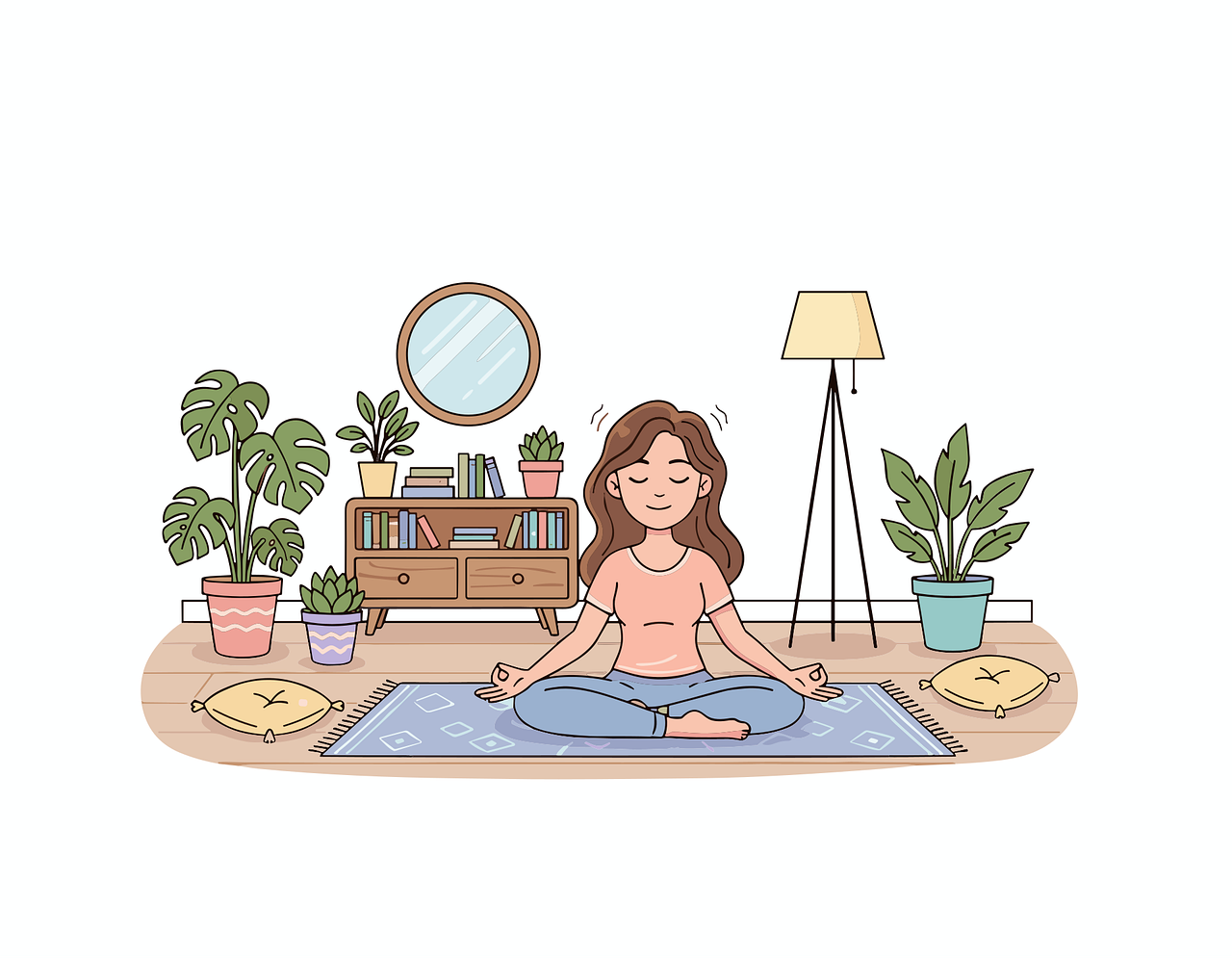
Lastly, incorporating mindfulness into your breathing exercises fosters a deeper sense of relaxation. Mindful breathing involves paying conscious attention to each breath, allowing awareness to unfold without judgment. To practice mindful breathing, sit comfortably and turn your focus inward. Close your eyes and take a few deep breaths initially, then return to your natural breathing pattern. Acknowledge each inhale and exhale as they occur, noticing the sensations in your body. If thoughts arise, gently acknowledge them, then refocus on your breath. This practice may lead to a heightened sense of calm and can counteract anxiety. Mindfulness encourages slowing down, offering an antidote to the frenetic pace of daily life. As you deepen your connection with your breath, you may discover clarity and a more profound appreciation for the present moment. Over time, it strengthens your ability to respond to stress with grace and composure. Regularly incorporating mindfulness into your routine will provide lasting benefits, ultimately optimizing your emotional well-being. You can enhance your skills by combining mindfulness and breathing exercises for maximum effect.
Connect with Your Breath Daily
To truly experience the benefits of these breathing techniques, it is crucial to integrate them into your daily routine. Set aside specific times each day to practice, such as during your morning meditation or before sleep. Even short 5-10 minutes of focused breathing can yield positive results. Additionally, consider exploring different techniques to find the ones that resonate best with you. You might prefer the structured nature of box breathing or the serene flow of diaphragmatic breathing. Each person’s journey is unique, so it’s essential to experiment and discover what aligns with your needs. As you become more familiar with these techniques, you will learn to access calmness quickly, even in the midst of chaos. Recognize any progress as part of your growth; celebrate each moment of mindfulness and awareness. Let these practices inspire positive change in your life, paving the way for a more peaceful mindset. Your breath is a powerful ally capable of healing and grounding you. Embrace the journey of connecting with your breath, knowing that a calmer, more centered version of yourself is within reach.
In conclusion, mastering breathing techniques can significantly impact managing anxiety and cultivating calmness. By embracing methods such as the 4-7-8 technique, diaphragmatic breathing, box breathing, and mindful breathing, individuals can unlock their potential for deep relaxation. Incorporating these practices into your daily life makes it easier to navigate stressful situations and maintain emotional balance. Remember that consistency is essential; the more you practice these techniques, the more effective they become. Be patient with yourself as you explore these various exercises, allowing room for growth and adaptation. Embrace your breath as a valuable tool for self-discovery and managing emotions in a healthy manner. Share your experiences with others and encourage them to explore the incredible world of breathing practices. Together, we can promote a culture of mindfulness and well-being. Each small step you take toward mastering these techniques can lead to a more peaceful existence. Life’s challenges may still arise, but your newfound skills will empower you to respond effectively. In time, you can create a sanctuary of calmness within yourself that remains untouched by external pressures.