
Benefits of Low-Impact Cardiovascular Exercises
Low-impact cardiovascular exercises offer a variety of health benefits that make them suitable for everyone. These exercises help improve cardiovascular health by increasing heart rate without putting excessive strain on the joints. Strengthening the heart and lungs improves overall fitness, ensuring better stamina for daily activities. Alternating low-impact workouts with moderate exercises can keep your routine fresh and engaging. Additionally, many of these activities can be done at home or in a local gym, providing flexibility and accessibility. They also focus on building endurance, making it easier for individuals of all fitness levels to improve their exercise tolerance. Furthermore, low-impact exercises are less likely to cause injuries compared to high-impact options. This is especially important for beginners or those recovering from injuries. The gentle nature of low-impact workouts promotes joint mobility and greater range of motion, making them an excellent choice for older adults. Overall, low-impact cardiovascular exercises can significantly enhance your quality of life by promoting heart health, boosting self-esteem, and supporting longevity. Incorporating these workouts into your routine ensures sustained fitness and enjoyment throughout your wellness journey.
Low-impact options, such as walking, swimming, or cycling, serve multiple wellness goals effectively. Engaging in regular low-impact aerobic and cardiovascular exercises can help individuals manage their weight more efficiently. Adjusting your daily activities to include walking breaks or choosing stairs over elevators can encourage active living. Motivation is enhanced when you find activities you genuinely enjoy, making it easier to stick to a fitness regimen long-term. Research shows that moderate-intensity aerobic exercises can help lower blood pressure significantly, reducing the risk of heart disease. They can also improve cholesterol levels by increasing high-density lipoprotein (HDL) while lowering low-density lipoprotein (LDL). Enhancing circulation contributes to better nutrient supply to muscles, which aids recovery and overall performance over time. When maintaining a consistent low-impact routine, consider mixing different types of exercises for variety. This could include dancing, rowing, or even group fitness classes tailored to your fitness level. Embracing low-impact options not only supports effective cardiovascular training but also fosters social connections and community participation. With so many benefits, incorporating these exercises cultivates a healthier lifestyle that can last a lifetime.
Low-impact cardiovascular exercises are also known for their positive effects on mental well-being. Physical activity releases endorphins, known as “feel-good” hormones, which can lead to decreased feelings of depression and anxiety. Engaging in regular exercise helps boost mood and promotes better sleep patterns. Improved sleep quality directly correlates to enhanced cognitive function and overall mental resilience. Low-impact workouts, when performed in natural environments, also allow for a unique connection between body and mind. Being outdoors can elevate mood further while providing mental stimulation from changing scenery and fresh air. Furthermore, the focus on controlled movements inherent in low-impact exercises encourages mindfulness, allowing practitioners to connect deeply with their physical sensations. This mindfulness approach can improve body awareness and alignment, fostering a greater appreciation for how the body functions. It creates an opportunity for self-reflection, promoting a more transformed consciousness about health and activity. Moreover, group exercises can increase levels of social interaction, which is especially beneficial as it fosters community support and accountability. Thus, the mental health benefits paired with cardiovascular improvements highlight the comprehensive advantages of low-impact fitness routines.
Low-Impact Options for All Fitness Levels
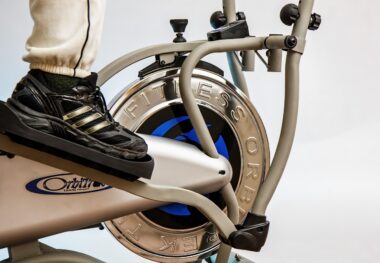
Low-impact exercises are adaptable for virtually all fitness levels, making them highly accessible to everyone. They cater to various age groups, whether seniors maintaining their health or athletes looking for recovery workouts. Walking is one of the simplest yet effective forms of low-impact exercise. Aiming for at least 10,000 steps daily can significantly boost cardiovascular benefits. Swimming, on the other hand, provides a unique resistance effect while being gentle on the joints. Aquatic environments enable participants to experience freedom of movement, reducing impact forces on the body. Cycling, whether on a stationary bike or outdoor trails, is another recommended activity that enhances endurance. Many gyms and fitness centers offer tailored classes designed for all abilities, creating spaces where individuals can feel comfortable enhancing their fitness. Other low-impact exercises include yoga and Pilates, which focus on breath and strength while promoting flexibility. These methods can also build muscle support around joints, further preventing injuries. Additionally, there are many online resources and videos available for those who prefer to practice at home, providing convenience and motivation to stay active.
Low-impact exercises can be incorporated into rehabilitation programs, providing a safe environment for those recovering from injuries. They allow individuals to regain strength gradually while minimizing the risk of recurring injuries. As the body adapts and builds resilience, these exercises can serve as a stepping stone towards higher-impact activities when ready. Physical therapists often recommend low-impact workouts for clients dealing with conditions like arthritis or osteoporosis to improve mobility and strength. The gentle nature of these exercises ensures patients can continue their fitness journey. They also promote a better understanding of body mechanics, which leads to a safer return to more intense training phases. Having support from professionals allows individuals to feel confident in their choices and recovery processes. Moreover, integrating strength training with low-impact cardio can help to build healthier muscle tone. Balancing these elements creates a holistic approach to fitness that nurtures physical health without compromising safety. Ultimately, a focus on functional movement principles ensures that all participants not only recover but thrive in their physical pursuits over time.
Creating a Personalized Routine
Establishing a personalized routine focused on low-impact cardiovascular exercises can be greatly beneficial. Listening to your own body and responding appropriately to its signals regarding energy, stamina, and motivation is essential. Begin by setting specific goals related to fitness levels, weight management, or mental wellness objectives. These goals can serve as benchmarks while creating a plan tailored to fit your lifestyle. Starting gradually and allowing your body to adjust will maximize adherence to the new routine. Keep in mind that combining various low-impact activities can create a comprehensive workout experience, including cardio, strength, balance, and flexibility. Varying the intensity ensures that your body receives diverse benefits while preventing boredom. Additionally, keeping a workout journal can be incredibly helpful. Documenting progress, challenges, and breakthroughs reinforces commitment to fitness goals. This journal can showcase achievements over time, serving as inspiration when motivation wanes. Engaging with online communities or local fitness clubs can provide a sense of camaraderie and support that empowers individuals to stay on track. Ultimately, designing a personalized program that incorporates enjoyment will lead to lifelong health benefits.
To sum up, low-impact cardiovascular exercises provide a myriad of benefits that can enhance overall fitness and wellness. The initial focus on cardiovascular health can evolve into improved mental well-being. Community support and a sense of accomplishment further motivate continued participation. For many, low-impact workouts effectively bridge the gap between inactivity and engaging in more vigorous fitness routines. They lay the groundwork for a lifetime habit of physical activity. As awareness increases about the need for sustainable fitness practices, low-impact workouts emerge as a practical solution. They encourage movement and connection with our bodies while providing an accessible way for numerous individuals to participate. Transitioning into a lifestyle that values fitness is achievable with gradual changes. The consistency of low-impact exercises will foster strength gains, better cardiovascular performance, and improve mental health. They pave the way for richer experiences in daily life and relationships. The time invested in these beneficial exercises bears fruit by making physical activity enjoyable and sustainable. So, whether you’re just starting your journey or looking for a new path, consider embracing low-impact cardiovascular exercises as your foundation for improved health.
In today’s fast-paced world, making time for health and fitness can be a challenge. It’s essential to recognize how valuable low-impact cardiovascular exercises can be in accommodating busy lifestyles. These exercises can be done almost anywhere, whether at home, in a park, or at a gym, which makes fitting them into even the busiest schedules much easier. For instance, opting for a brisk walk during your lunch break or choosing biking as a commuting option can significantly enhance your routine without much disruption. Integrating low-impact activities doesn’t necessarily mean high daily time commitments. Short bursts, like 20-30 minutes of low-impact exercises accumulated throughout the day, can yield excellent results in terms of health benefits. Often, it’s also about changing perspective and making healthier choices an integral part of your daily life. The combination of accessibility, flexibility, and adaptability of these workouts makes them particularly appealing for busy individuals. It’s about creating manageable habits that can fit well into any lifestyle while still delivering impactful health benefits. As a result, low-impact cardiovascular exercises encourage sustained activity and foster long-term commitment towards a healthier life.