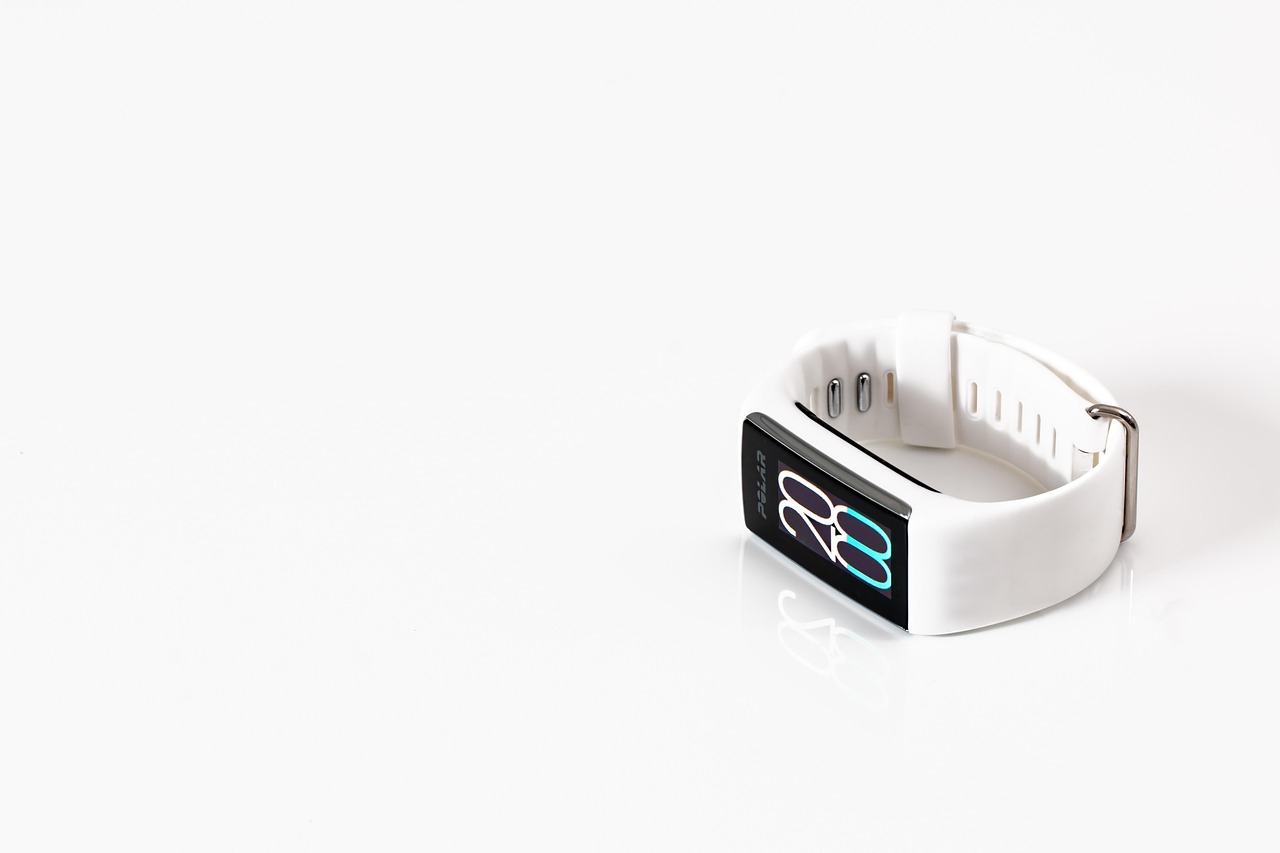

Wearable Sensors for Continuous Health and Nutrition Monitoring
The landscape of health and nutrition is evolving significantly, driven by technological advancements, particularly wearable sensors. These innovative devices allow for continuous monitoring of various health metrics, integrating seamlessly into daily life. Wearable sensors provide data that can enhance dietary choices and overall wellness. Key metrics such as heart rate, physical activity, and even hydration levels can be tracked in real time. Moreover, wearable sensors collect data on food intake and nutritional content, supporting informed dietary decisions. By employing these sensors, users can achieve personalized nutrition plans based on real-time feedback. Continuous monitoring helps identify patterns that affect health, allowing for timely adjustments in diet and exercise. The integration of wearable technology in nutrition not only improves individual health outcomes but also aids in public health initiatives by providing data for research and policy-making. The possibilities for enhancing our understanding of nutrition through wearables are vast and encouraging. As these technologies advance further, we will likely see innovations tailored specifically for dietary management and personalized meal planning, revolutionizing the way individuals approach their health.
Wearable sensors utilize various technologies to collect health-related data, including accelerometers, gyroscopes, and heart rate monitors. These tools work together to provide comprehensive insights into an individual’s lifestyle and well-being. One of the most significant advantages of these sensors is their ability to empower individuals to take control of their health. Users can track their nutrition in conjunction with physical activity levels to assess their caloric intake and expenditure. This dual tracking is essential for achieving specific health goals, such as weight loss or muscle gain. Additionally, wearables can integrate with mobile applications, providing a user-friendly interface for managing dietary habits. Users can log meals, receive recommendations based on nutritional needs, and monitor changes over time. Furthermore, the data collected can help identify potential health risks, such as nutrient deficiencies or the effects of certain foods on overall health. Wearable sensors are proving to be highly beneficial in fostering a deeper understanding of personal health, nutrition, and the impacts of lifestyle choices that are essential for well-being.
The Role of Data Analytics in Nutrition
Data analytics plays a critical role in enhancing the capabilities of wearable sensors. By analyzing the data generated by these devices, users and nutritionists can gain valuable insights into eating habits and overall dietary practices. This information helps in developing tailored nutrition plans that align with personal health objectives. With machine learning algorithms, wearable technology can predict future health trends and dietary needs based on past behavior. For instance, if a user consistently overindulges in sugary snacks, the system can recommend healthier alternatives and provide alerts when such choices occur. Additionally, data from wearable sensors can contribute to larger research efforts, allowing scientists to identify trends and correlations across different demographics and health outcomes. This level of analysis not only enhances individual health management but also contributes to public health knowledge. Using wearables to gather long-term health data supports the development of dietary guidelines and recommendations that are more relevant to current lifestyles, thus shaping the future of nutrition science in meaningful ways.
Another significant advantage of wearable sensors is their role in real-time feedback. Notifications regarding nutritional intake or insufficient physical activity can have an immediate impact on user behavior. By receiving alerts on unhealthy habits, individuals can make timely decisions and alter their choices throughout the day. For example, if a user is approaching a threshold for daily sugar intake, a notification can remind them of alternatives, preventing unintentional overconsumption. Furthermore, these sensors encourage accountability by allowing users to share their progress with healthcare professionals or peer support groups. Collaborative efforts in monitoring health improve motivation and commitment to dietary changes. The ability to visualize progress through graphical representations of data reinforces positive behavior changes. As users see the effects of their dietary adjustments on their health metrics, they may feel more empowered and driven to maintain nutritious eating habits. This feedback loop creates a supportive environment for reinforcing healthy lifestyle changes, illustrating the effectiveness of wearable technology in the realm of nutrition and diet.
Challenges to Overcome
Despite the many benefits of wearable sensors in health monitoring, challenges remain that require attention for successful implementation. One notable challenge is data privacy and security. With personal health information being collected and stored digitally, there is a heightened risk of breaches that could compromise sensitive data. Manufacturers and app developers must ensure robust security measures are in place to protect user information. Additionally, the accuracy and reliability of data collected by wearables can vary significantly. This variability could lead to misinformation regarding dietary and health trends, so proper calibration and validation of these sensors are essential. Furthermore, there is a learning curve associated with using wearable technology. Not all individuals are tech-savvy, which may hinder their ability to fully utilize these devices for their health benefit. Education and support programs are critical for helping users maximize the potential of wearable sensors. Addressing these challenges will not only improve user experience but also enhance the effectiveness of wearable technology as a fundamental tool for health and nutrition monitoring.
Advancements in technology will also drive the future of wearables in nutrition and health monitoring. With the integration of artificial intelligence (AI) and machine learning, these devices will become smarter and more intuitive. Future technology may include features like automatic meal detection using image recognition, making logging food intake more seamless for users. Enhanced algorithms can provide in-depth analysis of caloric and nutrient needs, revolutionizing personalized nutrition. Moreover, advancements in battery life and sensor accuracy will further increase the appeal of wearable devices. As more people adopt these technologies, there will be a growing database of health and nutrition data that researchers can analyze for broader insights into population health. The future of nutrition and diet monitoring will likely see wearables evolve from simple tracking devices to comprehensive health management tools. Through these enhancements, users will enjoy a more interactive and enriching experience that guides them toward healthier eating habits. This shift will include interdisciplinary approaches, integrating dieticians, technologists, and health professionals in the development and continual improvement of wearable sensors.
In conclusion, wearable sensors represent a groundbreaking innovation in the realm of nutrition and health monitoring. They empower individuals to manage their diets and health actively while providing valuable data for research and public health insights. The ability to track dietary habits in conjunction with other health metrics enhances personalized approaches to nutrition. The potential for real-time feedback fosters accountability and encourages healthier choices. While challenges such as data privacy and sensor accuracy remain, the advantages far outweigh these concerns. As technology continues to advance, the future of wearable sensors looks promising, with enhanced functionalities leading to more impactful health outcomes. With the continued integration of AI and data analytics, wearables will likely revolutionize not only personal health management but also the foundations of nutrition science itself. Staying informed and engaged with wearable technology can help individuals reap its benefits efficiently. In fostering healthier communities, wearable sensors will play a vital role in guiding people toward better nutritional decisions, ultimately contributing to a healthier, more informed population committed to optimizing their health.