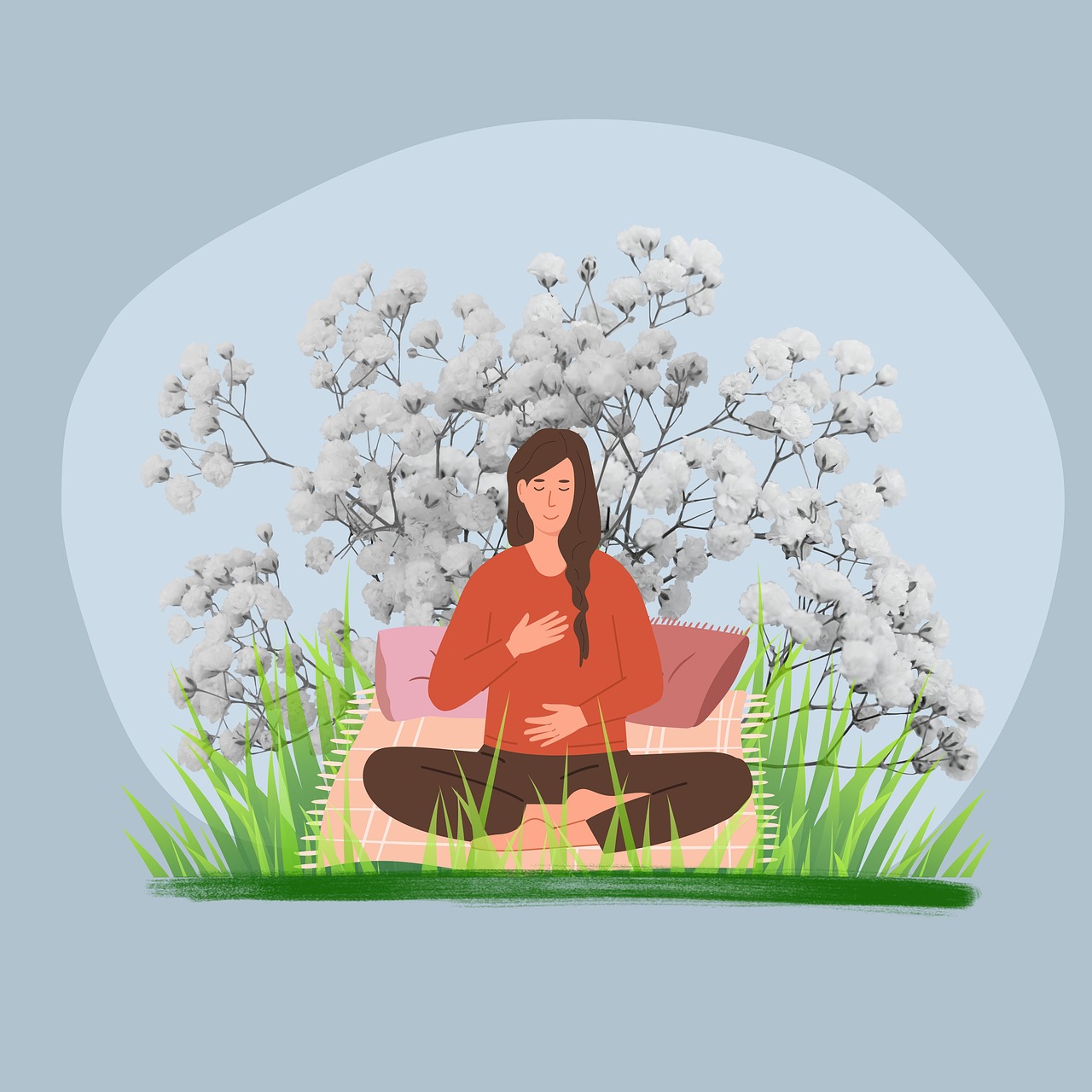

The Role of Breath in Preventing Energy Slumps and Fatigue
Breathing techniques play a critical role in enhancing our energy levels and combating fatigue. Many people experience energy slumps due to poor breathing patterns, often associated with stress or a lack of physical activity. Understanding how to harness the power of breath can lead to significant improvements in overall vitality. To effectively use breath to boost energy, one must first identify any irregularities in their normal breathing. When we are stressed or fatigued, our breathing often becomes shallow and rapid, which can deprive our bodies of the necessary oxygen required for optimal function. Instead, practice deep, diaphragmatic breathing, which allows for more oxygen to enter the bloodstream. Engaging in this technique actively can activate the parasympathetic nervous system, promoting relaxation and clarity of mind. Incorporating regular breathing exercises into your daily routine can help mitigate the effects of fatigue and enhance your overall well-being. Additionally, consider engaging in mindfulness or meditation practices, which inherently emphasize conscious breathing, creating a deeper connection between mind and body.
Understanding Deep Breathing Techniques
Deep breathing techniques are essential for boosting energy levels naturally. When practiced correctly, these techniques can recharge your mental batteries and facilitate relaxation. Deep breathing involves fully filling your lungs with air, which enhances oxygen intake and improves blood circulation throughout the body. One effective method is the “4-7-8” technique: inhale for four seconds, hold for seven seconds, and exhale slowly over eight seconds. This practice activates the body’s natural relaxation response and helps dissipate feelings of stress and anxiety. Another beneficial approach is the “Box Breathing” method, which consists of breathing in deeply for four seconds, holding for four seconds, exhaling for four seconds, and then pausing for another four seconds. This technique can help increase focus, calmness, and energy simultaneously. Consistent practice of these techniques, ideally for 5-10 minutes, ideally several times a week, will yield dramatic improvements in your energy levels. Developing a habit of mindful breathing can be an invaluable tool in dealing with daily challenges, allowing for better emotional regulation and overall well-being.
Incorporating breath control in physical activities elevates energy levels significantly. Activities like yoga and tai chi are notable for emphasizing the importance of breathing alongside movement. Synchronizing breath with movement ensures that your body efficiently creates energy, minimizing fatigue during exertion. In yoga, practitioners are taught to maintain a steady breath throughout asanas, while tai chi emphasizes a fluid connection between breath and motion. Paying attention to breathing during workouts aids in delivering consistent oxygen levels to the muscles, improving endurance and performance. This method not only produces greater physical capability but also fosters a calm, focused state of mind. Additionally, many athletes use specific breathing techniques to enhance performance and manage stress. Various forms of breathwork, including pranayama in yoga, can help athletes control their breath, maximizing energy and reducing fatigue. Practicing breath control in combination with exercise provides a natural way to elevate energy levels, enabling you to perform at your best. Remember, the right breathing method can not only influence your muscles but also positively influence your mood, resilience, and overall health.
Techniques to Combat Midday Fatigue
Midday fatigue is a common issue that many individuals face, especially during a long workday. Fortunately, utilizing proper breathing techniques can effectively combat this slump. One quick technique to regain energy is the “pursed-lip” breathing method. Inhale through the nose for two seconds, then purse your lips and exhale slowly for four counts. This technique can increase oxygen levels and promote relaxation simultaneously, making it ideal for a midday pick-me-up. Another useful option is the “cleansing breath,” which consists of a deep inhale, holding it for a moment, and then forcefully exhaling while making a sound, releasing tension. Both of these techniques can be performed anywhere, making them accessible in an office setting or at home. Additionally, take a brief moment to step outside for fresh air or sunlight exposure while practicing these techniques. Integrating these quick breathing exercises in your day can refresh your mind, rejuvenate your energy levels, and increase overall productivity at work.
Creating an optimal breathing environment is equally important for enhancing energy levels. Air quality significantly impacts our ability to breathe deeply and efficiently. Ensure your workspace or living environment has clean, fresh air. You can achieve this by regularly opening windows and incorporating indoor plants that can help purify the air. Consider using essential oils or aromatherapy, which can stimulate invigorating scents such as peppermint or citrus. These can help awaken the senses and improve focus, making them perfect for combating fatigue. Limiting exposure to pollutants and creating a breathable environment can significantly influence your energy levels and overall well-being. Additionally, pay attention to your posture while working or engaging in activities. Proper posture promotes efficient breathing, allowing for deeper, fuller inhalations and exhalations. As a result, maintaining an upright posture will reduce the risk of shallow breathing associated with slumping or slouching. Make an effort to periodically check your stance and adjust to maximize your breathing ability.
Understanding the Connection Between Breath and Mind
Your breath is closely linked to your emotional and mental state. Engaging in mindful, controlled breathing can drastically improve focus and mental clarity, contributing to overall energy levels. When feeling overwhelmed or fatigued, take a moment to step back and engage in conscious breathing. Focus on counting breaths and their lengths to regain your mental equilibrium. Furthermore, exploring the practices of meditation can deepen your understanding of the breath’s connection to the mind. Regular meditation promotes relaxation and mindfulness, both of which are essential for combating fatigue. Combining breathwork with meditation ensures a comprehensive approach to mental health and energy management. As little as ten minutes of breath-focused meditation daily can reestablish mental clarity and significantly enhance your energy. Meditative breathing techniques include “Bhramari” or humming bee breath, where you hum while exhaling, calming the mind and focusing your energy. By incorporating these approaches, you create a resilient foundation for energy levels and emotional stability, equipping yourself to handle daily challenges more effectively.
A consistent breath practice can yield long-term benefits for energy management and overall health. Making time to develop a personal breathing routine can enhance overall vitality and resilience against fatigue. Set aside time daily to engage in specific breathwork techniques that resonate with you personally. Journaling your experiences may help track progress and acknowledge improvements in energy levels. Additionally, be mindful of your body and listen to its cues. Some days may call for more intensive breathing practices than others. Immediate responsiveness to fatigue can enhance overall adherence to healthy patterns. What’s important is gradually building breath awareness into daily habits. Create reminders for yourself to pause and breathe consciously, integrating it into your routine. Practicing gratitude can further enhance the benefits experienced through breath awareness, directing positive energy and mindfulness towards your well-being. Take the time to explore various techniques and find what resonates with you, as individual preferences may vary. Ultimately, embracing the breath’s multifaceted power can transform your approach to energy management, impacting both your physical and mental health.
To conclude, utilizing breath to boost energy is an accessible and highly beneficial practice. Incorporating deep breathing techniques into daily life fosters resilience against fatigue while promoting a sense of calm, focus, and well-being. Whether through yoga, mindfulness, or specific breathwork techniques, becoming more aware of your breathing can lead to significant energy enhancements. Regular practice of these techniques can improve physical performance, mental clarity, and emotional stability, ultimately combating the energy slumps we all experience. By creating an environment conducive to deep breathing and making conscious breathing a priority, individuals can harness the full potential of their breath. Remember to remain patient with yourself as you embark on this journey. The power of breath is profound, and by integrating it into your life, you open doors to increased vitality and emotional well-being. You deserve to feel energized and capable throughout the day. Explore the various techniques presented and develop a personalized approach that works best for you. Your breath is a powerful ally in the ongoing pursuit of energy and health, leading to a vibrant and dynamic life.