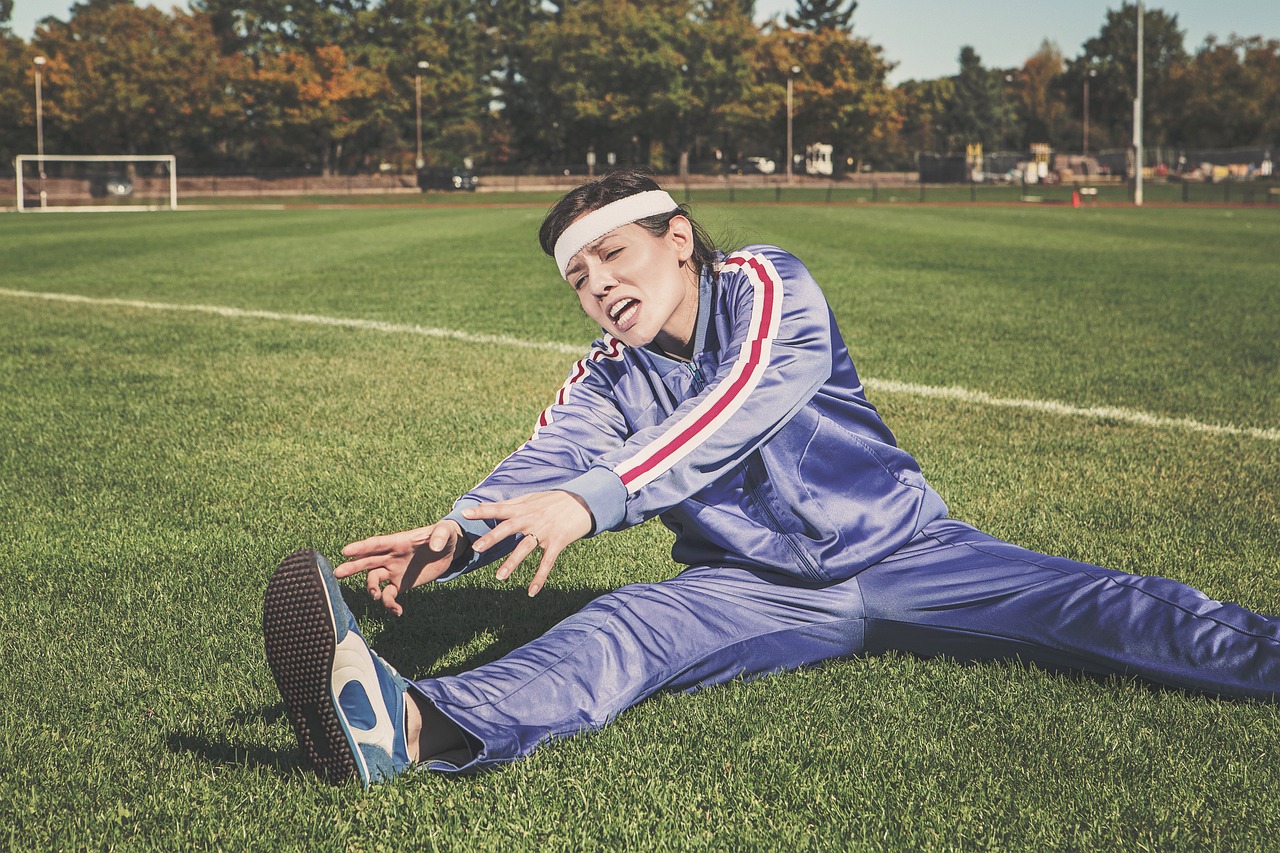

Pre-Season Athletic Training Drills to Get You Ready for Competition
Preparing for an upcoming sport season requires a focus on effective athletic training drills that enhance performance and reduce injury risk. Incorporating a variety of drills helps develop essential skills needed on the field, court, or track. Start with basic endurance exercises such as long-distance running or interval sprints to build cardiovascular stamina. Strength training with weights, bodyweight exercises, or resistance bands is crucial for increasing muscle strength and power. Core stability drills like planks and Russian twists can enhance balance while avoiding common injuries. Adding agility drills, including ladder drills or cone sprints, assists in improving quickness and dexterity. It’s also vital to integrate flexibility workouts like dynamic stretching before workouts and static stretching after sessions. These routines help maintain mobility and prevent tightness. Always keep hydration and nutrition in mind, fueling your body with appropriate pre-workout meals. Lastly, set specific goals—whether it’s achieving a personal best in sprinting or increasing overall strength—and track your progress over the pre-season to ensure you’re on schedule for peak performance during competition. Consistency in training is key!
Intensifying your training in the pre-season ensures you are more prepared for the competitive environment. A well-rounded program should also include sport-specific drills tailored to your chosen athletic pursuit. For instance, soccer players can engage in dribbling exercises while improving passing and shooting techniques. Basketball athletes might focus on shooting drills and defensive maneuvers to enhance their skills on the court. Swimmers can refine their stroke techniques while incorporating interval training into their swims. These targeted drills not only build confidence in athletes but also sharpen their tactical understanding of the game. In addition to skill-enhancement, incorporating plyometric exercises offers benefits for power development, enabling athletes to increase explosiveness. Exercises such as box jumps, jump squats, and bounding can be hugely effective. Alongside physical drills, mental training should not be overlooked. Visualization techniques and mindfulness practices help athletes develop concentration, manage stress, and build the mental resilience required to excel under pressure. Balancing physical and mental training will vastly improve performance when the season officially begins. These drills and routines collectively prepare the athlete for not just physical challenges but strategic game-play scenarios.
As pre-season training progresses, it becomes crucial to implement systematic variations in workouts to prevent plateaus. Progressive overload—gradually increasing intensity, duration, or complexity of exercises—will push your limits and stimulate muscle growth. Utilize circuit training methods where you combine different exercises into one workout, such as combining strength, agility, and endurance drills to provide variety and challenge. Personalizing your program based on specific areas of improvement also keeps motivation high. Engaging in cross-training with other sports can maintain enthusiasm as well, while also enhancing overall fitness levels. For example, cyclists might benefit from football drills that improve cardiovascular conditioning or swimming sessions that promote upper body strength. Another great option is to recruit a training partner, as mutual support can lead to a more effective and motivating workout experience. Ensure adequate rest periods between workouts, allowing your muscles to recover and grow stronger. Incorporate active recovery sessions like yoga or light swimming to maintain flexibility while promoting blood flow. Always listen to your body and adjust your training accordingly, learning to navigate the fine line between pushing limits and risking injury.
Nutrition and Recovery Strategies
Nutrition plays a pivotal role in any pre-season training regimen. What you eat directly impacts your energy levels, recovery, and overall athletic performance. Start building a solid nutritional foundation by focusing on whole, nutrient-dense foods. Incorporate complex carbohydrates such as whole grains, fruits, and vegetables, which provide long-lasting energy. Proteins from lean meats, fish, beans, and legumes are essential for muscle rebuilding and recovery after training sessions. Healthy fats from sources like avocados, nuts, and seeds are vital for overall health and hormonal balance. Pre-workout meals should be timed correctly, providing sufficient fuel about 30-60 minutes before training. Post-workout, consume protein-rich snacks or meals to help initiate recovery—ideally within 30 minutes after workouts. Staying hydrated can’t be overstated, aiming for about half your body weight in ounces of water daily. Consider electrolyte-replenishing drinks during intense training to sustain performance. Lastly, tracking your food intake using apps or journals can help identify nutritional gaps. Adjusting your diet to optimize training can greatly affect performance during competition.
Especially relevant for athletes is the importance of sleep in enhancing performance and aiding recovery. Quality sleep promotes muscle repair, hormone regulation, and mental clarity, which are all vital during training and competition. Aim for 7 to 9 hours of quality sleep and develop a sleep routine. Limiting screen time before bed helps improve the quality of sleep, while creating a calm environment encourages restful nights. Consider incorporating relaxation techniques such as guided meditation or deep breathing exercises into your pre-sleep regimen. Napping may also be beneficial, but should not replace nightly sleep. Additionally, managing stress is key to preserving focus and motivation. During pre-season training, athletes can experience anxiety or pressure about performance; therefore, mental resilience strategies are critical. Setting realistic goals and focusing on effort rather than outcome helps maintain a positive mindset. Regularly practice mindfulness techniques or visualization exercises to enhance mental prowess. Use positive affirmations to discourage negative self-talk and build confidence in your abilities. Achieving a harmonious balance between training, nutrition, recovery, and mental resilience ultimately equips athletes to deliver their best come competition day.
Injury Prevention Techniques
Ensuring that you remain in optimal condition involves implementing injury prevention strategies during your training drills. Begin each session with a comprehensive warm-up routine, incorporating dynamic stretches that prepare your muscles and joints for physical activity. Strengthening the muscles surrounding susceptible joints, such as knees and ankles, can improve stability and performance while also reducing injury risks. Techniques to enhance joint stability include specific leg and hip exercises, as well as incorporating balance routines into your regimen. Pay close attention to your body and how it reacts to specific drills, being aware of any discomfort that might indicate the need for adjustments. Cross-training can also play a significant role in injury prevention by providing a break from repetitive movements associated with your primary sport. Engaging in low-impact activities helps maintain fitness while reducing stress on the body. All athletes should apply principles of R.I.C.E. (Rest, Ice, Compression, Elevation) as a first response to any minor injuries. Following a comprehensive plan for injury prevention enables smooth progress in your training and enhances performance when competition season arrives, ensuring you’re ready and fit to participate.
Finally, community and support systems are essential during pre-season training, ensuring optimal results. Connect with teammates, coaches, or training partners to establish a collaborative training environment where everyone holds each other accountable. Engaging in group training sessions not only boosts motivation but also provides opportunities for feedback and improvement in skills. Attend pre-season camps or clinics focused on your specific sport, undergoing structured training led by experts who provide valuable insights and coaching techniques. Tapping into online forums or local community sports clubs allows for support beyond the gym or field while exchanging respective training experiences. Social media platforms can offer inspiration, connecting you with fellow athletes who aim to achieve similar goals. Interact with professionals in the field through webinars or social media, gaining exposure to latest training methodologies, tips, or dietary strategies you may adopt. Ultimately, collaboration within a community enriches the training experience as athletes work together toward shared success and motivation. With the support system in place, you enter the competition with confidence and a well-rounded training background.