
Integrating Mind-Body Techniques in Functional Fitness for Rehabilitation
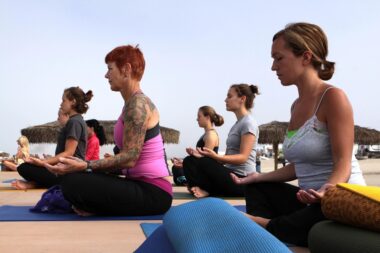
Functional fitness has gained significant importance in rehabilitation settings. This approach emphasizes exercises that mimic everyday activities and improve strength, flexibility, and coordination. Integrating mind-body techniques, including yoga and Pilates, enhances the rehabilitation process by promoting mental engagement and body awareness. Such techniques foster a holistic approach towards recovery, allowing individuals to reconnect with their bodies. The synergy of mind and body can lead to improved outcomes in both physical and psychological aspects of rehabilitation. Furthermore, it serves as a powerful tool for motivation. Participants often feel more engaged and committed when they incorporate holistic practices into their fitness routines. Mindfulness, an essential component of these techniques, can effectively reduce stress levels, which is beneficial during rehabilitation. In addition, mindfulness training during exercise can help clients develop better focus and increased concentration, factors that contribute to recovery. Studies suggest that the combination of functional fitness and mind-body techniques not only enhances physical restoration but also promotes mental health, making it a comprehensive approach to rehabilitation. Therefore, understanding and leveraging the connection between mind and body can significantly improve recovery experiences.
The incorporation of functional fitness and mind-body techniques can be substantially beneficial. One effective method involves engaging clients in mindful breathing exercises prior to workouts. This preparation allows individuals to center themselves, creating a focus that enhances performance. Additionally, exercises such as yoga can improve core stability and flexibility, which are critical factors in rehabilitation. By engaging in these practices, clients can develop greater body awareness and alignment. Consequently, this leads to injury prevention during functional fitness workouts. Various poses from yoga can also target specific muscle groups, complementing rehabilitation exercises designed to strengthen these areas. This dual approach not only aids recovery but also empowers clients, helping them regain a sense of control over their bodies. As clients progressively engage in this integrative process, they often report feeling more energized and motivated to continue. Alongside physical restoration, emotional well-being emerges, fostering resilience throughout the rehabilitation journey. Moreover, social support plays a vital role when participants collaborate with peers in group classes. This community aspect encourages accountability and sustained commitment. In summary, the fusion of mind-body techniques into functional fitness promotes holistic recovery and enhances overall quality of life.
Challenges experienced during rehabilitation can frequently lead to feelings of discouragement and frustration. Addressing these psychological barriers is essential for successful outcomes. Incorporating mind-body techniques into functional fitness routines can provide significant relief. Techniques such as meditation and guided imagery can help reduce anxiety levels, giving individuals a sense of calm and assurance regarding their recovery. Research indicates that individuals who engage in mindfulness practices while undergoing rehabilitation exhibit lower fear levels associated with movement. Consequently, this fosters a more positive mindset, encouraging clients to embrace their recovery process. Additionally, adopting mindfulness fosters better emotional regulation, leading to improved social interactions among peers. This aspect of support cannot be overstated as it helps create a positive environment conducive to healing. Furthermore, clients practicing mind-body techniques often report heightened motivation levels, which translates to commitment during exercise regimens. Some studies emphasize the benefits of pairing these techniques with functional exercises to create a comprehensive rehabilitation program. This integrative approach not only focuses on physical recovery but also presents an opportunity for emotional resilience and personal growth. Such development plays a crucial role in broader rehabilitation objectives.
Developing a Personalized Approach
Developing a tailored rehabilitation plan that incorporates both functional fitness and mind-body techniques can optimize recovery. Employing a personalized approach allows rehabilitation professionals to assess individual needs and preferences. A comprehensive evaluation helps to identify specific physical limitations and psychological barriers hindering progress. Clients may respond uniquely to different mind-body techniques; therefore, it’s essential to select methods that resonate personally. For instance, some clients may find that guided meditation helps them focus and reduce anxiety more than traditional mindfulness methods. Personalized functional fitness routines can focus on specific goals, such as increasing mobility, refining skillsets, or enhancing strength. Meanwhile, the inclusion of mind-body practices provides recurring opportunities to address psychological aspects. Additionally, regular assessments and check-ins should be integrated into the rehabilitation process to track each individual’s progress and adapt methods when necessary. This adjustment ensures that clients remain engaged and motivated throughout their rehabilitation journey. Consequently, it becomes possible to nurture growth while reinforcing the importance of both mind and body interactions in the recovery process. Clients often experience greater satisfaction when they witness tangible progress aligned with personalized objectives.
Support from certified trainers and therapists is essential in guiding clients through a successful rehabilitation journey. These professionals possess the expertise to design and implement programs that best suit individual requirements. Engaging skilled practitioners ensures a well-rounded approach to rehabilitation that encompasses both functional fitness and mind-body techniques. By creating a supportive environment, clients feel safe to explore their limits and challenge themselves throughout the recovery process. Furthermore, incorporating feedback from both clients and professionals leads to an engaging collaboration that enhances commitment. Peer support groups can also add significant value as individuals share experiences, struggles, and successes with those who understand their journey. Activities like group fitness classes infuse social connections into rehabilitation, promoting accountability and motivation. As peers navigate their progress together, they cultivate friendships that often last well beyond the rehabilitation program. A holistic approach to rehabilitation incorporates both social and emotional aspects into the search for physical recovery. Therefore, fostering a supportive community among clients benefits not only their physical recovery but also nurtures well-being and resilience, which are equally essential to the rehabilitation process.
As the awareness of the importance of integrating mind-body techniques into functional fitness grows, several training programs are evolving to meet the need for specialized training. Professionals in rehabilitation are increasingly engaging in courses that focus on the application of mind-body practices within their therapeutic sessions. This integration is supported by various studies that validate the efficacy of such methods in promoting physical recovery and emotional well-being. Programs often explore diverse techniques including tai chi, mindfulness meditation, and breath-controlled exercises, which resonate with various clients. Training emphasizes the need to recognize individual responses to different modalities and adapt training accordingly. This ensures that practitioners develop the expertise required to guide clients effectively. Investing in education allows professionals to stay updated on evidence-based practices that align with modern principles of rehabilitation. Such developments often lead to creating a dynamic environment where individuals feel empowered in their recovery journeys. Consequently, informed practitioners furnish clients with effective strategies that combine the best of both worlds – functional fitness and mind-body techniques. As integration continues to evolve, the focus remains on enhancing each client’s unique experience in the rehabilitation process, ultimately leading to successful outcomes.
Conclusion
Integrating mind-body techniques into functional fitness rehabilitation is not only innovative but also necessary for enhancing overall recovery experiences. This comprehensive approach addresses both physical and mental aspects of health, promoting long-term wellness and self-efficacy. As clients engage in mind-body practices, they develop greater body awareness, improved emotional regulation, and enhanced motivation. The holistic approach cultivates resilience among individuals facing challenges during rehabilitation. By developing personalized plans and incorporating diverse techniques, practitioners provide clients with the tools necessary for success. Peer support and social interactions further enrich the rehabilitation experience, creating a sense of belonging and shared journey amongst participants. Furthermore, continuous professional development for trainers and therapists ensures that best practices remain at the forefront of rehabilitation programs. As awareness of this integrative method grows, more individuals will benefit from its advantages. Continued research regarding outcomes will further solidify the connection between mind-body techniques and functional fitness. Ultimately, the fusion of these disciplines opens up emerging avenues for both clients and practitioners, solidifying a pathway for holistic recovery and improved quality of life.
Additionally, it is vital for rehabilitation professionals to maintain empathy and understanding of their clients’ experiences. Empathy nurtures trust between practitioners and clients, facilitating open communication and effective feedback. By establishing supportive relationships, clients feel more comfortable sharing their challenges and victories. Establishing such a connection allows practitioners to access vital information that can guide necessary modifications to rehabilitation plans. Clients often thrive in environments characterized by collaboration, where they feel appreciated and validated. Treatment becomes increasingly effective when both mind and body are engaged, reinforcing the essence of a unified approach to rehabilitation. As practitioners remain engaged in their ongoing education, they not only better their services but also inspire clients to actively participate in their recovery journey. With a stronger focus on individualized care and responsiveness to changes in their condition, clients are more likely to achieve goals set during rehabilitation. By maintaining open lines of communication, the synergy between practitioners and clients can create an atmosphere of comprehensive care. By prioritizing empathy, support, and clear communication, the integration of mind-body techniques into functional fitness evolves into a transformative experience for both practitioners and clients alike.