
Hydration and Fitness Tips for Pregnant Women with High Blood Pressure
During pregnancy, maintaining proper hydration is crucial, especially for women dealing with high blood pressure. Staying hydrated can aid in regulating blood pressure levels and improving overall health. To promote hydration, aim to drink at least 8-10 glasses of water daily, which can include herbal teas and clear broths. Use a reusable water bottle to track your intake, ensuring you consume enough fluids throughout the day. Listen to your body; if you feel thirsty, drink more. Moreover, consider adding water-rich fruits and vegetables like cucumbers, oranges, and melons into your diet. They can boost hydration while providing essential nutrients. Monitor your salt intake, as too much sodium can raise blood pressure. Instead, opt for herbs and spices to flavor meals. Always discuss individual hydration needs with your healthcare provider. Regularly monitor hydration by checking urine color; pale yellow indicates good hydration, while dark yellow means it’s time to drink more. Additionally, incorporating light exercises, as permitted by a physician, can help manage blood pressure levels. Just ensure to hydrate before, during, and after workouts to stay energized and healthy.
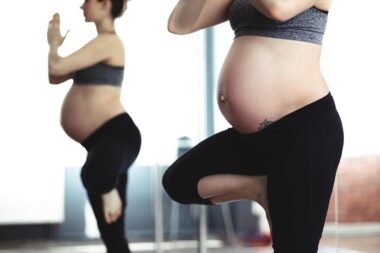
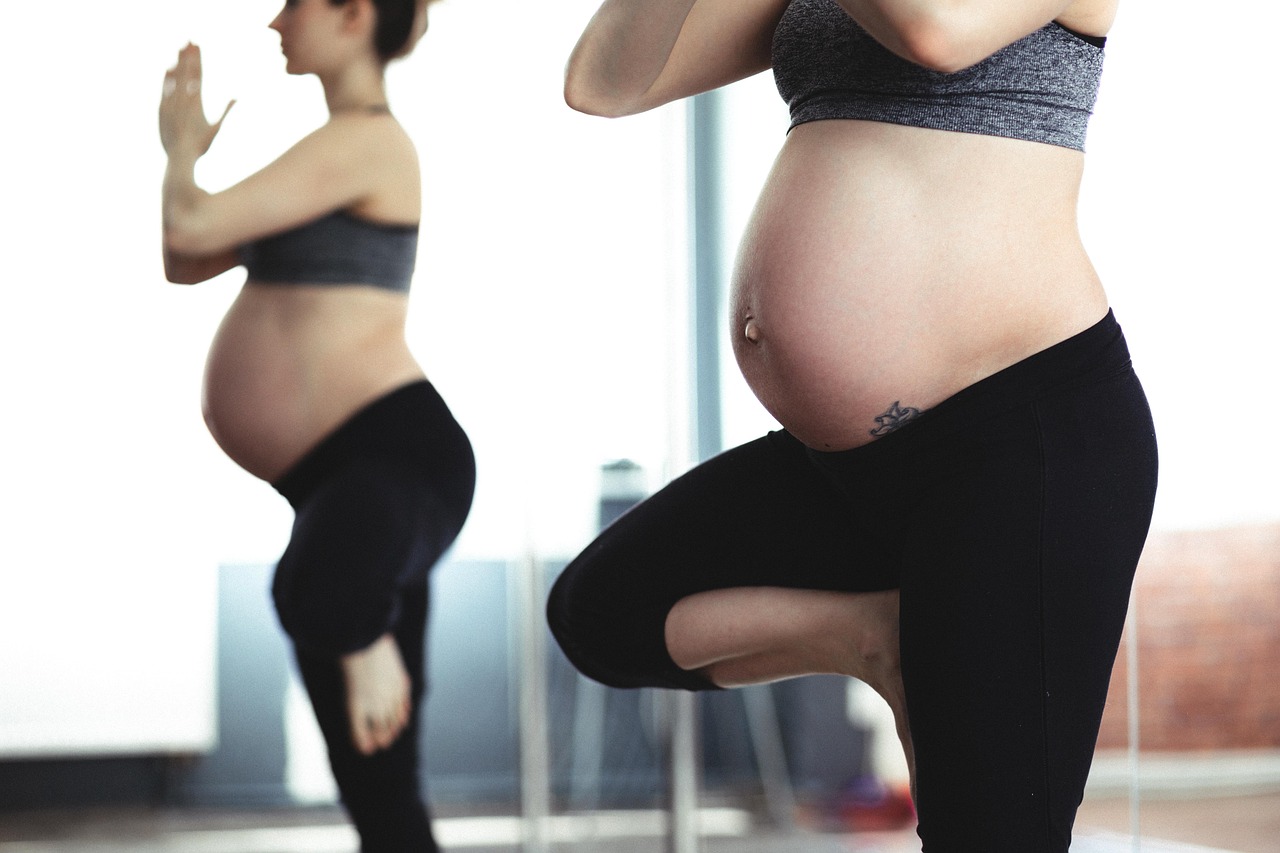
Physical activity during pregnancy offers numerous benefits, particularly for those managing high blood pressure. Gentle exercises can enhance cardiovascular health, improve mood, and promote overall well-being. Before starting or continuing any exercise routine, it’s essential to consult your healthcare provider to discuss the best types of activities for your situation. Some suitable options include walking, swimming, and prenatal yoga. These forms of exercise are low-impact and can help you maintain a healthy weight throughout pregnancy, which is crucial for blood pressure management. During workouts, prioritize proper hydration; drink water or sports drinks specifically designed for hydration. Always listen to your body and if you feel dizzy, fatigued, or unwell, stop immediately. Strive for at least 30 minutes of moderate exercise most days of the week while avoiding high-intensity activities. Incorporating relaxation techniques such as deep breathing or meditation can help maintain cardiovascular stability. To ensure you’re exercising correctly, consider joining prenatal exercise classes. Engaging in fitness with other expectant mothers provides support and motivation. A balanced approach to fitness, combining hydration and gentle exercises, can positively impact your health during this vital period.
Nutrition and Diet Considerations
A well-balanced diet is equally essential for pregnant women with high blood pressure. Focus on incorporating nutrient-dense foods that nourish both you and your baby while managing blood pressure. Include plenty of fresh vegetables, fruits, whole grains, and lean proteins in your daily meals to support optimal health. Foods low in sodium will help regulate your blood pressure levels. Consider vegetables like spinach, which contain potassium that aids in balancing sodium levels in the body. Emphasizing healthy fats, such as avocados and nuts, can help promote heart health. Pay attention to portion sizes to avoid excessive weight gain, a crucial factor for high blood pressure during pregnancy. Plan your meals in advance to ensure you have healthy options readily available. Snacking through the day on almonds or berries can also maintain energy levels and a balanced diet. Opt for home-cooked meals over processed foods, which often contain too much sodium and unhealthy fats. Stay mindful of caffeine and sugar intake, as they can elevate blood pressure levels. In all nutritional choices, consulting with a registered dietitian experienced in prenatal care can offer personalized guidance and support.
Incorporating proper stress management techniques into your daily routine can significantly benefit your health during pregnancy, particularly for those with high blood pressure. Stress can negatively impact blood pressure, so finding ways to relax is vital. Explore mindfulness practices such as meditation, deep breathing exercises, or even gentle yoga. These activities encourage relaxation and can lower stress levels effectively. Set aside time for activities that bring you joy, whether reading, painting, or taking calming walks in nature. Quality sleep also plays a crucial role in stress management; aim for 7-9 hours of sleep each night. Create a calming bedtime routine, like dimming the lights or listening to soothing music. Limiting screen time before bed can also help significantly improve sleep quality. If you’re feeling overwhelmed, consider reaching out to family and friends for support or even joining a pregnant moms’ group. Sharing experiences and challenges with others can provide a sense of belonging and helpful advice. Always remember to stay connected with your healthcare provider to monitor health, discuss any concerns, and ensure that any stress management techniques employed are safe during your unique pregnancy journey.
The Role of Support Networks
Establishing a solid support network is invaluable for pregnant women dealing with high blood pressure. Emotional and physical support from family, friends, or peers can significantly contribute to maintaining a healthy pregnancy. Consider joining local or online groups where expectant mothers can share experiences, tips, and challenges. Engaging with others facing similar situations can provide encouragement and motivation to stick to fitness and nutrition goals. Discuss your feelings with your partner; they can take an active role in supporting your overall well-being. Encourage them to join you during workouts or meal prep sessions to enhance healthy habits together. Additionally, do not hesitate to ask family members to assist when needed; whether it’s running errands, helping with chores, or keeping you company during workouts, support is essential. Remember, conversations with healthcare providers also form part of your support network. Regular appointments allow you to express concerns and adjust your plan as needed. Emotional well-being directly influences physical health; thus, prioritizing supportive relationships can lead to improved health outcomes for both you and your baby during this special time.
Staying consistent with hydration and fitness is critical, especially throughout the different trimesters of pregnancy. Each trimester may bring about changes in your energy levels, body, and how you feel overall. During the first trimester, maintain focus on hydration and gentle exercise. As pregnancy progresses, you may find your physical abilities shifting; adapt your exercise routine accordingly. For instance, high-impact activities may become uncomfortable. Instead, switch to lower-impact options, such as swimming or modified yoga. Always prioritize hydration, as the need may increase, especially during the summer months. If you feel fatigued, don’t push too hard; listen to your body. In the second trimester, staying active is vital as you prepare your body for labor. Light strength training can also benefit as long as it’s approved by your healthcare provider. In your final trimester, maintaining light stretching and relaxation techniques may ease discomfort and promote overall well-being. By monitoring hydration and energy levels throughout pregnancy, you’ll develop a routine that suits your unique needs. This approach ensures that you remain healthily active and prepared for childbirth, while addressing high blood pressure effectively.
Conclusion
As you navigate the journey of pregnancy with high blood pressure, remembering the importance of hydration and fitness is essential for your health and your baby’s. Staying hydrated can help regulate blood pressure, while gentle exercises can enhance overall well-being. Focus on incorporating a balanced diet filled with nutrient-rich foods, engage in relaxation techniques for stress management, and build a supportive environment with family and friends. Listen to your body, adaption is crucial as pregnancy progresses; modify routines as needed. It’s essential to maintain regular communication with your healthcare provider to monitor health and develop tailored strategies specific to your pregnancy. Overall, making informed, healthier choices now sets a strong foundation for both you and your baby. Celebrate the little victories throughout your fitness journey, lean on your support network, and cherish this special time in your life. Each action you take towards maintaining a healthy lifestyle reflects both self-care and dedication to the well-being of your growing family. Remember, every step counts in this beautiful journey of motherhood, and practicing self-compassion will often lead to lasting health benefits in the long run.
Active Lifestyle Tips
Adopting an active lifestyle while managing high blood pressure during pregnancy is achievable with the right approach. Being proactive can help you feel empowered and informed. Start by setting realistic fitness goals. It can help to create a weekly plan to incorporate different types of activities. A combination of cardio exercises, strength training, and flexibility work creates a well-rounded routine. Avoid overly strenuous workouts; the focus should be on maintaining fitness levels safely. Always include a warm-up and cool-down period during your workout sessions to prevent injuries and muscle strain. Furthermore, be sure to monitor your heart rate and avoid exercises that cause excessive increases. Being outdoors can be invigorating; consider walking in nature’s beauty. The fresh air can boost your energy and enhance your mood. Adjust your routine based on daily energy levels, ensuring it remains enjoyable rather than a chore. Yoga is an excellent option for pregnant women, promoting flexibility and relaxation. Consult with a yoga instructor familiar with prenatal practices to ensure safe movements. Staying connected, informed, and active will significantly contribute to a positive pregnancy experience.