
How to Scale Your Pre-Workout Meal Prep for Weight Goals
Proper pre-workout nutrition plays a pivotal role in enhancing your performance and achieving your weight goals. Understanding what to eat and when can help you maximize this crucial aspect of your training routine. Planning your meals in advance ensures that you’re fueling your body with the right nutrients at the right time, leading to better workout results. Start by identifying your specific weight goals, whether you aim to lose, maintain, or gain weight. Next, tailor your macronutrient ratios to meet those objectives, focusing on the right balance of proteins, carbohydrates, and fats. By doing your homework on portion sizes and nutrient timing, you can create a meal prep plan that aligns perfectly with your workout schedule. Not only does this advance planning save time, but it can also enhance your motivation on workout days. Remember that personalized adjustments are necessary based on how your body responds to different foods. Together, these strategies can effectively elevate your pre-workout nutrition to support each unique weight goal you pursue.
The planning process for pre-workout meals involves several key considerations. To start, prioritize the timing of your meals, aiming to eat two to three hours before exercising. This timeframe allows your body time for digestion, ensuring that you get the most energy from your meal. Crafting a menu rich in carbohydrates will provide stored energy for your workouts. Consider including wholesome foods, such as brown rice, oatmeal, sweet potatoes, and whole-grain bread. Additionally, incorporating lean protein sources, such as chicken, turkey, or plant-based options, will aid muscle repair and growth. Hydration should also be a part of your meal prep; always carry water or a sports drink to ensure you’re adequately fueled. You can use meal prep containers to pack separate portions, making it easier to grab and go. Don’t shy away from experimenting with different recipes and foods; finding what suits your body and taste is essential. Making this a part of your routine will lead you to discover better ways to improve your pre-workout nutrition throughout your journey.
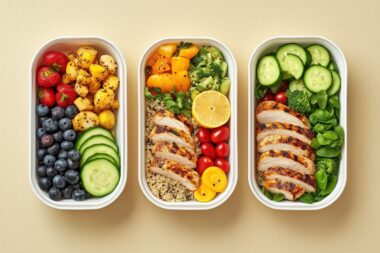
While meal prepping, organization is essential to achieve long-term success with your pre-workout nutrition plan. One effective strategy is to designate a specific day each week for meal prep. This allows you to fully focus on preparing healthy meals without the usual distractions. Begin by selecting recipes that align with your weight goals and can be made in bulk. Prepare your ingredients by chopping vegetables, cooking grains, and portioning proteins in advance. Utilizing a weekly menu can aid in keeping your grocery list concise and ensuring that you don’t run out of essentials. When cooking, try to make versatile dishes that can be repurposed for various meals. For example, grilled chicken can serve as a base for salads, sandwiches, or stir-frys. After cooking, store prepared meals in clear, labeled containers to avoid confusion. Clear containers make it easier to visualize what you have on hand, which encourages consumption and reduces food waste. Committing to a streamlined approach will make pre-workout nutrition much more manageable and enjoyable.
Understanding Macronutrients
Understanding macronutrients is crucial for optimizing your pre-workout meals. Each macronutrient plays a specific role in supporting your energy levels and muscle performance. Carbohydrates are the primary energy source for high-intensity workouts, making them essential for pre-exercise meals. Foods rich in carbohydrates should account for a significant portion of your pre-workout nutrition. Proteins are vital as well; they aid in muscle recovery and growth, especially if you are engaging in with strength training. Lean proteins like fish, poultry, and legumes are excellent choices to include in your meal prep. Incorporating healthy fats, such as avocados or nuts, can also provide sustained energy but should be consumed in moderation to avoid feeling sluggish. Be sure to calculate your individual macronutrient requirements based on your body weight and workout intensity. Adjust your pre-workout meals accordingly to match your specific training needs. A clear understanding of macronutrients will empower you to make informed choices that can help you effectively reach your weight goals while fueling your workouts efficiently.
To further enhance your pre-workout nutrition, consider incorporating supplements only if needed. While whole foods should be the foundation of your diet, certain supplements can complement your nutritional efforts. For instance, branched-chain amino acids (BCAAs) or protein powders can help support muscle recovery when time is tight. A pre-workout supplement may also provide an energy boost, but it’s crucial to assess your tolerance and check the ingredient list for unwanted additives. Always consult with a healthcare professional before adding any supplements to your regimen. Remember that no supplement replaces a well-rounded diet; focus on whole foods primarily. Minding portion control is equally important during meal prep. Implementing the right portions based on your caloric needs helps maintain a balanced diet. Tracking your intake using apps like MyFitnessPal can assist you in staying within designated macros and calories. Effective pre-workout nutrition ultimately requires proper planning and knowledge, pushing you towards your weight goals.
Making Adjustments
As you progress in your training, it’s vital to reassess and adjust your pre-workout meal approach regularly. Changes in workout intensity, duration, and individual goals will necessitate nutritional tweaks. Don’t hesitate to experiment with portion sizes and meal compositions as you learn what works best for your body. Regularly note how you feel during workouts to identify potential areas for improvement. If you notice fatigue or sluggishness, it may indicate a need for additional carbohydrates or adjustments in meal timing. Keeping a journal can be beneficial to track these observations alongside meal details. Additionally, be open to making dietary changes based on your lifestyle preferences or seasonal ingredient availability. For instance, picking fresh local produce may inspire new recipes that fit seamlessly into your meal prep. Remember, nutrition is not one-size-fits-all; tailoring your pre-workout meals will help you remain engaged and motivated on your fitness journey. Celebrate minor victories in your nutrition adjustments, as they’ll contribute to your overall success in hitting your weight goals.
In conclusion, effective meal prep is integral to achieving your pre-workout nutrition objectives while supporting your weight goals. Start by identifying your specific aims, researching the necessary macronutrients, and systematically preparing your meals. With careful planning, you’ll find that pre-workout nutrition can seamlessly fit into your day-to-day life. Regularly tracking your progress is key to determining what strategies work and what needs alteration, so it’s advisable to keep detailed records. Stay adaptable and willing to make innovative changes when required, ensuring that your nutrition keeps pace with your training schedule. Meal prepping enhances practicality, helping you avoid the temptation of less healthy options when time is of the essence. By making the effort to prioritize your pre-workout nutrition consistently, you’ll likely notice improvements not just in performance but also in energy levels and recovery times. Improved results will validate your commitment, reinforcing the importance of continued attention to your meal prep as you strive towards your fitness aspirations. Participate actively in your nutrition journey; the hard work will ultimately pay off. Stay the course!
Customizing for Results
Lastly, tailoring your meal prep to suit personal preferences is crucial in achieving compliance and satisfaction with your pre-workout nutrition. Experimenting with flavors, textures, and cooking methods can keep your meals interesting and prevent boredom. Don’t hesitate to get creative in the kitchen; try global cuisines or different ingredients within each meal category. Batch cooking enables variety, giving you the option to mix different components across meals. Instead of eating the same chicken and rice every day, consider creating stir-fries, wraps, or grain bowls. Incorporating different spices can elevate the profile of your meals significantly. Consider involving family or friends in the cooking process to cultivate an enjoyable atmosphere while meal prepping. This shared experience can boost motivation and accountability. Furthermore, never underestimate the power of enjoying your food; if you look forward to your meals, it’ll become easier to adhere to your nutrition plan. Formulating tasty meals that align with your weight goals is a fulfilling journey. Embrace the flexibility of meal prep by frequently revising menus and adapt to your evolving taste preferences.