
How Pilates Helps Rebuild Core Strength After Childbirth
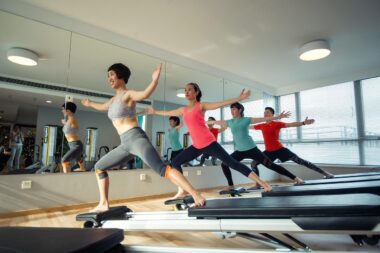
After childbirth, many mothers face the challenge of rebuilding their core strength. This essential recovery process often involves specialized exercises that cater to the postpartum body. Among the various exercise forms available, Pilates stands out as a highly effective option. Focusing on core stability, Pilates helps women regain strength gently and progressively. The controlled movements promote safe rehabilitation while minimizing the risk of injury. Furthermore, Pilates emphasizes breath control, helping new mothers learn to engage their core muscles effectively. This technique is particularly crucial as it allows women to connect their physical movements with their breath, facilitating better muscle engagement. The integration of both breath and movement can significantly enhance the overall workout experience, making it both accessible and fulfilling. In addition, Pilates offers modifications for all fitness levels, making it suitable for any postpartum journey. Beginners can start with basic movements while more advanced practitioners can gradually increase the intensity. The supportive environment in Pilates classes also encourages women, fostering a sense of community as they navigate the shared experiences of postpartum recovery. With commitment, Pilates can lead to significant improvements.
Physical Benefits of Pilates in Postpartum Recovery
There are numerous physical benefits that postpartum Pilates can provide. One of the main advantages is core strengthening, which is essential for supporting the body as it adjusts after pregnancy. Pilates exercises specifically target the abdominal muscles, pelvic floor, and back, which play critical roles in maintaining overall stability. As these areas become stronger, women may experience reduced back pain, a common issue among new mothers. Additionally, Pilates promotes improved posture, which can be impacted by the physical demands of caring for a newborn. Furthermore, enhanced flexibility is another benefit that Pilates offers. This increased flexibility aids in physical movements throughout daily activities, making parenting easier and more enjoyable. Safety is paramount, so Pilates exercises are performed with an emphasis on control and alignment, reducing injury risk. Another aspect to consider is the mental component of Pilates. The focus on breathing and mindfulness can help alleviate stress. Engaging fully in the workout not only strengthens the body but can also empower women mentally, celebrating their journey through motherhood. Within supportive classes, women can share their experiences, enhancing both physical and emotional well-being.
Reconnecting with one’s body after childbirth is crucial for new mothers, and Pilates provides a unique opportunity for this reconnection. One key aspect of Pilates is its emphasis on alignment and body awareness, which helps women understand their physical form in a post-pregnancy world. Through various movements, mothers can engage their deep core muscles effectively, ensuring that they are working the right muscles during each exercise. This conscious engagement also contributes to better coordination and stability, ultimately benefiting their day-to-day activities. As mothers perform Pilates, they can reflect on how their bodies are adjusting and healing, fostering a deeper appreciation for the incredible journey of pregnancy and childbirth. In addition, Pilates encourages a balanced approach to fitness. Unlike high-impact workouts that could lead to further fatigue or potential injury, Pilates offers a gentler yet still effective means of regaining strength. Women can progress at their own pace, allowing them to adapt the exercises based on their comfort and ability levels. This tailored approach ensures that every mother’s experience is valid and rewarding, transforming Pilates into more than just a workout—it’s a form of self-care and empowerment.
Building a Routine with Pilates
Establishing a consistent practice of Pilates can significantly aid in recovery and fitness after childbirth. To begin, new mothers should feel encouraged to start slowly. It’s essential to listen to one’s body and modify exercises to suit individual needs, especially in the weeks following delivery. Creating a manageable routine, perhaps with gentle sessions a few times a week, can ease mothers back into physical activity without overwhelming them. Incorporating Pilates into a weekly fitness regimen allows for gradual progression as strength and confidence build. Many women find joy in attending specialized postpartum Pilates classes in their communities. These classes often foster a welcoming atmosphere where mothers can connect and share their experiences. Additionally, many studios now offer online Pilates classes, providing flexibility for mothers who struggle to leave home with a newborn. This accessibility ensures that Pilates is within reach for everyone, regardless of their current circumstances. As they continue with regular practice, women are likely to notice improvements not just in physical strength but also in their emotional resilience. Thus, daily or weekly Pilates sessions become invaluable, contributing positively to both physical and mental well-being.
Physical and emotional readiness for Pilates may vary among mothers, making it important to approach workouts with self-compassion. Regardless of where they are in their journey, every woman’s experience is valid, and they should be encouraged to progress when they feel ready. It’s important to note that postpartum recovery takes time and should prioritize both mental and physical aspects. Engaging with trained instructors knowledgeable about the postpartum body can provide crucial support. They can adapt movements and provide guidance based on each mother’s specific needs, ensuring a safe and effective experience. Building a support system among fellow mothers in a Pilates class can also be beneficial. Sharing stories, experiences, and motivation can create a nurturing environment as they move towards recovery together. This camaraderie reinforces the idea that every journey is unique and allows them to embrace their postpartum challenges collectively. Through nurturing connections, women can rediscover confidence in their bodies and foster a community grounded in understanding and encouragement. The role of Pilates extends beyond exercise; it’s about self-realization, an opportunity to honor and celebrate the remarkable changes that motherhood brings.
Conclusion: Pilates as a Sustainable Postpartum Practice
In conclusion, Pilates represents an effective, restorative practice for core rebuilding following childbirth. By incorporating Pilates into recovery routines, women can enjoy a multitude of benefits ranging from physical strength to emotional resilience. Its focus on mindful movements promotes body awareness essential during the postpartum period. With its unique approach, Pilates allows mothers to reconnect with their bodies, fostering improved alignment and stability throughout daily activities. The benefits extend beyond the workout itself; they create a holistic experience that prioritizes both physical and mental health. Also, Pilates can easily be integrated into daily life thanks to its adaptable nature and the variety of options available. Supportive group classes or online sessions cater specifically to postpartum women, helping mothers find community and encouragement. By taking small yet consistent steps in their Pilates practice, women can gradually reclaim their strength. Every positive experience in Pilates contributes to higher confidence levels, enhancing joy in motherhood. It becomes a vital tool for empowerment and recovery, leading to a more fulfilling postpartum journey. Through understanding the value of Pilates, mothers can truly embrace the transformative journey of mothering while prioritizing their well-being.
In summary, Pilates offers a functional and adaptable program supporting postpartum recovery. It helps new mothers navigate the challenges of rebuilding core strength, nurturing both their physical and emotional states. By focusing not only on muscle strengthening but also on body awareness and breath control, Pilates promotes sustainable recovery, making it valuable for every woman postpartum. As they practice, mothers can forge connections with their bodies, navigate their changing identity, and foster community with others on similar journeys. The supportive environment found in Pilates classes enhances motivation, encouraging participation while embracing their respective paths to recovery. As each individual’s experience may differ, finding a comfortable studio or online class is fundamental for a successful start. Ultimately, the key lies in nurturing an adaptable practice that honors personal limits. Throughout this process, women can rediscover their confidence and strength while appreciating their remarkable journeys of motherhood. By weaving Pilates into their postpartum routines, mothers not only regain strength but cultivate a deeper sense of self-compassion. Thus, embracing Pilates becomes more than just a fitness program, emerging as an enriching experience that celebrates the essence of motherhood.
In summary, Pilates offers a functional and adaptable program supporting postpartum recovery. It helps new mothers navigate the challenges of rebuilding core strength, nurturing both their physical and emotional states. By focusing not only on muscle strengthening but also on body awareness and breath control, Pilates promotes sustainable recovery, making it valuable for every woman postpartum. As they practice, mothers can forge connections with their bodies, navigate their changing identity, and foster community with others on similar journeys. The supportive environment found in Pilates classes enhances motivation, encouraging participation while embracing their respective paths to recovery. As each individual’s experience may differ, finding a comfortable studio or online class is fundamental for a successful start. Ultimately, the key lies in nurturing an adaptable practice that honors personal limits. Throughout this process, women can rediscover their confidence and strength while appreciating their remarkable journeys of motherhood. By weaving Pilates into their postpartum routines, mothers not only regain strength but cultivate a deeper sense of self-compassion. Thus, embracing Pilates becomes more than just a fitness program, emerging as an enriching experience that celebrates the essence of motherhood.