
How Core Strength Affects Your Athletic Performance
Core strength plays a crucial role in athletic performance, providing stability and balance. Athletes rely on strong core muscles for effective movement and to prevent injuries. The core consists of several muscle groups, including the abdominal muscles, back muscles, and even the pelvic region. These muscles work in unison to stabilize the body during various athletic activities. Enhanced core strength allows athletes to generate power and improve their overall efficiency during competitions. As the core stabilizes the body, movements become more coordinated, leading to better performance in sports. A strong core also contributes to improved posture, which can enhance breathing and reduce fatigue. Additionally, core strength aids in maintaining balance during dynamic movements, such as jumping or sprinting. This stability is essential for athletes in fast-paced sports, where every second counts. Furthermore, having a robust core can significantly impact an athlete’s endurance by distributing energy more evenly throughout the body. Hence, focusing on core strengthening exercises can greatly benefit athletes looking to enhance their performance and minimize the risk factors associated with injuries.
Moreover, athletes engaged in specific sports, such as gymnastics or martial arts, particularly depend on core strength for their routines and techniques. Strong core muscles facilitate precise movements, enabling athletes to execute complex skills. These skills often require control, strength, and balance, all derived from a well-conditioned core. Without a robust core foundation, athletes may struggle to perform at their best or may not achieve their full potential. Moreover, disbalancing in core strength can lead to compensatory patterns. This leads to unnecessary strain and increases the risk of injury during high-intensity training or competition. Athletes are encouraged to incorporate a combination of strength training, stability exercises, and flexibility routines targeting the core. Furthermore, these exercises help develop not only physical endurance but also awareness of body mechanics. Athletes may also benefit from seeking guidance from coaches or fitness professionals when designing core training routines. It is essential to ensure exercises are performed correctly to avoid injury. With consistent focus on core strength, athletes will find substantial improvements in their overall performance and resilience against physical challenges.
Essential Exercises for Core Strength
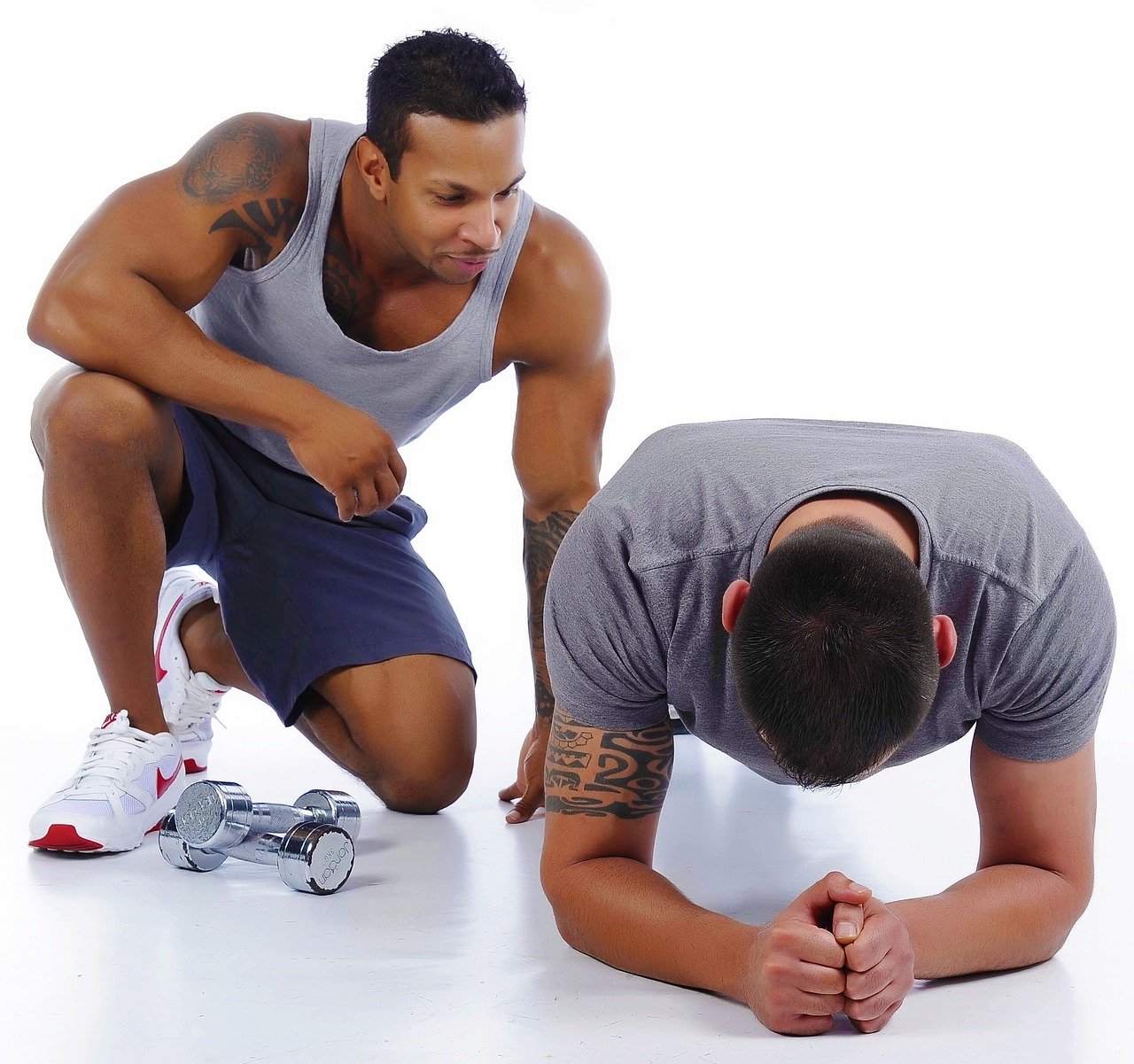
There are various exercises specifically designed to strengthen the core effectively, ensuring athletes can maximize their performance. Planks are known as one of the most effective core exercises, targeting multiple muscle groups simultaneously. By maintaining the plank position, an individual engages not only their abdominal muscles but also their back and shoulder muscles. Another beneficial exercise is the medicine ball Russian twist, which enhances rotational strength, integral for athletes in many sports. This exercise also emphasizes the importance of coordination and controlled movements, engaging the core effectively. Additionally, performing bird-dogs can improve stability and balance, aiding in coordination during dynamic activities. One can also incorporate exercises like bicycles and leg raises to further target the obliques and lower abdominal area. These exercises can easily fit into an athlete’s training regimen and can be adapted to varying levels of intensity. Moreover, engaging in yoga and Pilates can complement traditional core workouts, enhancing flexibility and balance. By integrating various methodologies into core strengthening routines, athletes can develop well-rounded core fitness essential for peak performance.
Alongside specific exercises, maintaining proper nutrition is also important for core strength and overall athletic performance. A balanced diet rich in proteins, healthy fats, and carbohydrates supports muscle recovery and growth. Consuming nutrients that promote muscle repair helps athletes recover adequately after intense training sessions. Hydration must not be overlooked, as it impacts performance levels and overall bodily function. Staying hydrated aids muscle function and reduces the risk of cramping during workouts. Athletes are encouraged to limit junk food consumption and focus on nutrient-dense meals to support their performance goals. Moreover, it is imperative to maintain a healthy body weight, as excess weight can hinder mobility and agility during athletic activities. Body composition may impact core stability, affecting overall athleticism. Therefore, athletes should practice mindful eating, source high-quality foods, and monitor their dietary habits. Recognizing the connection between nutrition and core strength can help athletes achieve their ideal performance. Ultimately, a harmonious balance of correct exercise, nutrition, and hydration cultivates a strong core, leading to improved athletic outcomes.
Benefits Beyond Athletics
The advantages of developing core strength extend beyond athletic performance and can significantly enhance everyday physical activities. Many people find that improved core strength aids in daily tasks, such as lifting objects or prolonged sitting. A robust core helps maintain proper posture, alleviating stress on the spine and surrounding muscles. Additionally, individuals engaging in physical activities like hiking or walking will experience increased endurance if the core is well-conditioned. Enhancing core strength can also lead to better balance and stability as individuals age, reducing the risk of falls and potential injuries. It may be particularly beneficial for seniors, contributing to functional independence and better quality of life. Furthermore, investing time in core strength and conditioning can promote a greater overall sense of wellness. Individuals often report improved energy levels and functionality when they prioritize core training. Core exercises can also serve as a stress-reliever, benefiting mental well-being. To conclude, focusing on core strength not only improves athletic capabilities but also promotes a healthier, more active lifestyle for everyone.
To cultivate core strength, athletes should also ensure they allow adequate recovery time between workouts. Overworking core muscles can lead to fatigue and diminish performance. Instead, training regimens should include variety and appropriate rest. Athletes ought to monitor their core strength progress and adjust their training plans accordingly. Engaging in assessments or using tools like fitness apps can help track improvements systematically. Consistency is key to core strengthening routines; dedicated practice will aid in building strength over time. Engaging in group exercise classes focusing on core workouts can also provide motivation through shared goals and communal support. Incorporating flexibility routines, such as stretching, can greatly enhance core work and promote a full range of motion. As stretching increases flexibility, it further contributes to athletic performance by enabling more extensive movement capabilities. Combining strength and flexibility training will foster balanced muscle development, which is essential. Athletes should be mindful that the journey to core strength is gradual yet rewarding. Seeking expert guidance can ensure their training programs are optimized for maximum efficiency.
Conclusion: The Path to Enhanced Performance
In summary, core strength is fundamental for athletes aiming to enhance their performance and minimize injury risks. A fully engaged core leads to better stability and balance, essential for executing athletic skills efficiently. By focusing on a well-planned training regimen, including targeted exercises, to develop core strength, athletes can witness remarkable improvements in their performance levels. Moreover, this commitment also nurtures better overall fitness that carries benefits into daily life. Remember to combine core workouts with nutritional and hydration strategies to optimize results. Maintaining ongoing assessments will help to track development and provide motivation along the way. Whether you’re a seasoned athlete or just starting, emphasizing core strength is necessary for anyone looking to take their fitness and performance to the next level. Ultimately, strong core muscles form a foundation for athletic achievements and provide lifelong advantages for improved mobility and active living. Remember, core strength is a journey, and every workout contributes toward achieving peak performance in athletics and everyday activities.
As you embark on your core strengthening journey, remember that consistency and patience are essential. Start by implementing small changes in your routine to gradually develop strength. Focus on mastering basic exercises before progressing to advanced movements. Also, integrate rest days to allow your muscles to recuperate and grow. Document your workout achievements, both big and small, to acknowledge progress. Evaluating your performance can help maintain motivation as you strive to meet your goals. Include a variety of core workouts in your schedule to keep things fresh and engaging. In addition, don’t hesitate to seek community support, whether through classes or online forums, where you can share experiences and encouragement. Lastly, prioritize your wellbeing and listen to your body, adjusting your workouts based on how you feel. With appropriate dedication and a positive mindset, the journey toward improved core strength will yield significant rewards. Achieving greater athletic performance is possible through a strong core, leading to an active and healthy lifestyle.