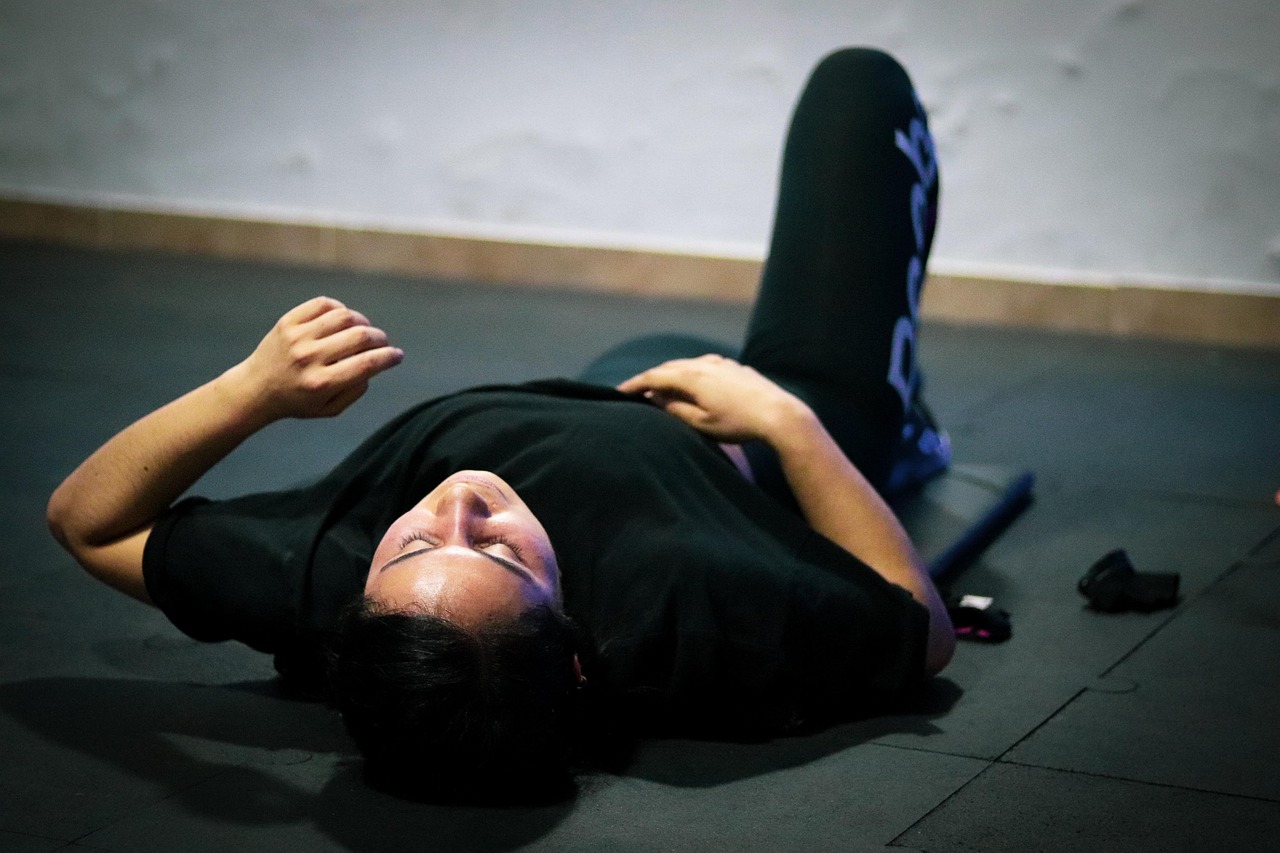

Effective Core Workouts for Injury-Resistant Performance
The core is the powerhouse of the body, playing a pivotal role in every movement. A strong core supports your spine, stabilizes your body, and aids in effective movement patterns. To prevent injuries and enhance athletic performance, it’s crucial to engage in core strengthening exercises regularly. Core workouts not only help in building muscle strength but also improve endurance and balance. They empower you to perform daily activities efficiently while minimizing the risk of injuries associated with weakened muscles. Whether you are an athlete looking to optimize performance or a fitness enthusiast aiming for longevity, dedicating time to core training is essential. Prioritizing a strong core also contributes to better posture, reducing strain on your lower back. It unites the upper and lower body, enhancing coordination and agility. Thus, integrating effective core workouts into your routine can pay dividends in athletic performance. Start with foundational exercises and gradually progress to more challenging variations as your strength improves. Regularly varying your routine can keep your core engaged and prevent plateaus in strength development. Adopting these workouts will cultivate a resilient physique capable of excelling in various physical activities.
To emphasize the importance of core training, let’s outline key reasons why it benefits injury prevention. First, strong core muscles stabilize your pelvis, spine, and shoulders, ensuring proper alignment during movement. This prevents compensatory movement patterns that can lead to strains or injuries. Second, core training enhances your balance, which is vital for avoiding falls and other injuries. Lastly, a strong core is crucial for athletes engaged in high-impact sports, where agility and speed are essential. Through specialized exercises, you can improve your body’s ability to absorb shock efficiently, minimizing the risk of overuse injuries. Preventing injuries through core strengthening allows you to maintain consistency in training, ultimately leading to improved performance and results. This is especially important in sports and activities requiring explosive movements, where core stability forms the foundation for generating power. Integrating functional movements into your core workouts can also promote overall fitness. The goal is to create a balance between strength and flexibility in your core, which ensures optimal function across various physical challenges. Overall, identifying and addressing weaknesses in your core can lead to a more resilient athletic performance.
Essential Core Exercises
Incorporating a variety of core exercises into your routine is crucial for comprehensive strength. Key exercises to consider include planks, bird dogs, and Russian twists. Planks are particularly effective as they engage multiple muscles while promoting stability. Start with front and side planks to develop endurance. Bird dogs enhance your coordination and balance by involving opposite limbs. This exercise mimics functional movements, making it highly applicable in daily life. Russian twists, on the other hand, focus on rotational strength, which is often important for sports performance. These essential exercises provide a foundation for more advanced movements, promoting muscle endurance and overall stability. Moreover, consistency in practicing these exercises helps reinforce neural pathways in the brain, improving your strength and effectiveness. To maximize results, consider incorporating resistance bands or stability balls into your workouts. Resistance bands challenge your muscles to engage more while stability balls can enhance your balance and coordination. Remember to warm up properly before beginning your core workouts and to focus on maintaining proper form. This approach will facilitate safe and effective training while progressively building your core strength over time.
As you develop your core training routine, it’s equally vital to consider recovery strategies. After an intense core workout, your muscles require adequate rest and nourishment to rebuild. This includes proper hydration and consuming protein-rich meals to support muscle recovery. Engaging in stretches post-workout can also significantly improve flexibility and reduce soreness. Moreover, consider incorporating active recovery, such as light walking, which keeps blood circulation flowing and assists in muscle repair. Balance between high-intensity core workouts and recovery days should be assessed to avoid overtraining, which might lead to injuries. It’s essential to listen to your body and adjust your training intensity based on how you feel. Consistency should not come at the cost of your well-being; always prioritize a sustainable training approach. Proper recovery contributes to better performance in future workouts while also keeping your spirits high. Engaging in mindfulness practices, such as yoga or meditation, can align your physical training with mental recovery. This holistic approach will further promote a productive and enjoyable exercise regimen. Ultimately, the integration of effective core workouts and sound recovery practices leads to a more resilient athlete.
Functional Fitness and Core Engagement
Understanding the concept of functional fitness can enhance your core training dramatically. The aim of functional training is to improve everyday life’s movements through effective muscle engagement. Core exercises should, therefore, be designed to mirror real-life challenges, enhancing your body’s ability to perform tasks efficiently. Think about movements you consistently perform: bending, lifting, and twisting. Functional exercises like deadlifts, kettlebell swings, or mountain climbers involve dynamic form and motion. These exercises encourage greater contributions from the core, ensuring your muscles support each other during coordinated activities. By modifying movements to incorporate total-body engagement rather than isolating muscles, you can build a truly functional core. As a benefit, this approach can lead to enhanced athletic performance, as your body becomes more accustomed to harmonizing motion. Also, you are less likely to sustain injuries in routine activities, creating a more robust physical presence. Balance, coordination, and strength can all be increased through this style of training, fostering a resilient body prepared for diverse physical challenges. Planning functional core workouts sets you up for success both in the gym and everyday situations.
In assessing the efficacy of your core workouts, tracking your progress is paramount. Setting measurable goals allows you to quantify improvements over time, keeping you motivated. Use metrics such as time held in planks or the number of repetitions for resistance-based exercises to evaluate growth. Regularly re-testing your ability ensures your training remains effective and engaging. As you record your progress, consider variations in difficulty or techniques adapted to your growing strength levels. Also, engaging with a workout partner can enhance motivation and accountability. They can provide insights into your form and challenges you to push your limits. Remember, progress also means recognizing when your body requires rest or modification in efforts to prevent injury. Learning how to navigate plateaus or when to adjust routines is essential for overall training success. Additionally, flexibility in your approach keeps the training fresh and prevents boredom. Ultimately, a commitment to continuous improvement will facilitate a resilient core capable of supporting your fitness journey. Be patient with yourself as you cultivate strength—celebrate your milestones along the way.
Integrating Core Workouts into Daily Life
Finally, integrating core workouts into your daily life can lead to holistic fitness improvement. You don’t need to confine your core training to the gym—simple activities can effectively engage your core. For instance, practicing proper posture while sitting at a desk incorporates core activation. Engaging your abdominal muscles during activities like walking or even bending can further reinforce your core strength. Challenge yourself by performing core-specific exercises during breaks at work, on your living room floor, or outside when the weather permits. Additionally, consider choosing activities that promote core engagement, like swimming, dancing, or martial arts. These activities can be enjoyable while simultaneously addressing your core strength and stability. Incorporating variety ensures you will stay excited and motivated—exploring new classes or joining community workouts can enhance your experience. Aligning your core workouts with your lifestyle preferences can make it easier to commit in the long term. Ultimately, developing a proactive approach towards core training leads to lasting health benefits and sustained performance. A strong core enhances all aspects of your fitness journey, ensuring you remain injury-resistant and thrive in your physical pursuits.
In conclusion, consistently engaging in core workouts enhances your overall performance and acts as a preventative measure against injuries. A strong core influences nearly every physical activity, whether you’re an athlete or someone leading a sedentary lifestyle. By focusing on key principles of core training, including proper recovery, functional movement, and enjoyment, you can create a sustainable regimen. Incorporate a variety of exercises tailored to your fitness levels and objectives. Also, ensure that progression is gradual and that you allow time for your muscles to recuperate. Achieving a resilient core will bring about numerous benefits, enabling you to maintain a healthier and more agile lifestyle. Finding time each week to prioritize these essential workouts contributes to enhanced performance in all aspects of life. Embrace your fitness journey with commitment and creativity, adapting your workouts based on personal goals and preferences. Lastly, don’t forget to celebrate your achievements, no matter how small, as they contribute to your motivation. With focus, dedication, and an understanding of effective core training, you can pave the way for long-lasting, injury-resistant performance.