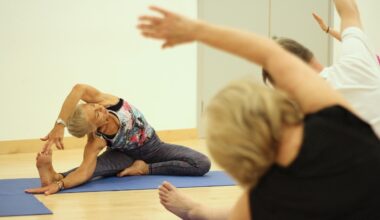

Customized Breathing Plans for Different Bootcamp Training Goals
Breathing techniques play a crucial role during bootcamp training, enhancing performance and endurance. Customized breathing plans help participants align their breathing patterns with specific training goals. For individuals focused on improving cardiovascular endurance, diaphragmatic breathing is effective. This technique increases oxygen intake and helps maintain a steady rhythm during high-intensity workouts. By integrating this form of breathing, exercisers can prolong their stamina and efficiency. On the other hand, those concentrating on building strength benefit from power breathing techniques. This involves quick inhalation followed by a deliberate and controlled exhalation, which maximizes force generation. Incorporating breath control in strength training can enhance overall lifting performance and core stabilization. Explore different breathing strategies that match your bootcamp objectives for greater results. Practical application of these techniques during workouts allows individuals to experience improvements. Finally, engaging in regular practice encourages mastery of each breathing style, fostering a deeper connection between mind, body, and breath. This empowers participants in their fitness journey, uplifting their confidence and performance capabilities in various bootcamp settings. Effective breathing is truly the unsung hero in tailored training efforts, providing numerous benefits leading to improved physical outcomes.
To implement customized breathing plans successfully, understand the physiological aspects behind breath control. The central nervous system regulates respiratory patterns, and mastering control over breath can influence emotional states and physical responses. Additionally, breathing influences heart rate variability, making it essential for managing stress during intense workouts. For bootcamp trainees, learning to adapt breathing methods to changing exercise demands can set them apart. For instance, during high-intensity intervals, utilizing nasal breathing keeps heart rates lower, while mouth breathing may aid in quick energy release. Furthermore, integrating breathing cues during sessions can increase awareness and facilitate refinement of technique. Trainers often suggest incorporating visualizations; imagine inhaling energy and exhaling toxins. This mental technique is invaluable in establishing the right mindset. Support from peers enriches the training atmosphere, allowing sharing of experiences tied to breathing methods. As participants discuss progress within their bootcamp, the exchange catalyzes motivation towards mastering breathing. Implementing feedback on breathing styles streamlines improvement efforts throughout the training regimen. Ultimately, tailored approaches ensure practitioners reach their unique fitness aspirations while promoting a community committed to enhancing performance through focused breathing practices.
Breathing Techniques for Muscle Recovery
Another essential element of breathing plans is enhancing muscle recovery post-training. Effective recovery breathing techniques help to minimize soreness and accelerate healing. Implement strategies like box breathing, which enhances relaxation by focusing on equal inhalation, hold, exhalation, and hold durations. This method lowers anxiety levels, promoting a tranquil post-exercise state. Flourishing in recovery maximizes the benefits of bootcamp training. Encouraging participants to dedicate time for breathing practice enables them to align mind and body effectively. Deep, slow breathing increases blood flow, aiding the removal of lactic acid buildup in muscles after an intense session. This physiological response not only provides relaxation, but also optimizes tissue repair. Individuals should aim for long, controlled breaths to promote oxygen delivery. For improved function, consider guided sessions focused purely on recovery breathing. Forming a habit of intentional breathing after workouts fosters resilience and preparation for the following training sessions. Engaging with different methods adds variety, preventing stagnation in recovery efforts. Participants must find what works best for them, allowing each individual to develop a personalized routine that suits their unique recovery needs while attending bootcamp classes.
Breathing techniques also offer opportunities for mindfulness, crucial in bootcamp training. By incorporating mindfulness and breath awareness, participants strengthen the mind-body connection, vital for overall performance. Focusing on breath while exercising fosters inner calmness and concentration, allowing athletes to push through challenges. One technique is the 4-7-8 breathing method, where trainers encourage participants to inhale for four seconds, hold for seven, and exhale for eight. This rhythmic process counters stress and promotes a focused state. Additionally, mindful breathing can anchor participants during dynamic movements within the bootcamp environment. This nurturing practice not only supports mental clarity but also extends physical resilience. Tailoring this approach during sessions helps participants navigate through tough workouts, building mental strength alongside physical prowess. Engaging anxiety-relieving techniques through breath brings forth positive psychological outcomes as well. Over time, integrating breath-focused exercises cultivates long-lasting habits that empower trainees to address each workout with renewed determination. This improves overall commitment to bootcamp training while channeling inner motivation through effective breathing practices. Create a nurturing atmosphere, allowing individuals to thrive and connect with themselves meaningfully through their breath.
Adapting Breathing Plans as Training Evolves
As bootcamp training progresses, it is essential to adapt breathing plans to align with evolving goals. Recognizing that each phase of training presents different challenges is crucial. Participants may begin with foundational techniques and gradually integrate more complex methods, enhancing performance continuously. For instance, as strength training intensifies, incorporating power exhalation helps in facilitating greater force output. Moreover, trainers can guide individuals in assessing breathing strategies throughout their journey. Regular check-ins help identify areas needing improvement while embracing the journey as a whole. Encourage practitioners to experiment with new breathing techniques while remaining open-minded about their efficacy. This flexibility facilitates personal growth amidst challenges faced. Additionally, successful athletes share strategies tied to breathing mastery, establishing a culture of collaboration within bootcamp settings. Establishing peer-led sessions where trainees can explore different techniques fosters community support and growth. As trainees document their experiences, they also discover vital lessons that mesh personal styles with optimal performance. Keep in mind that embracing change and innovation leads to better results in any fitness endeavor, honoring the dynamic nature of bootcamp challenges throughout the training journey.
In conclusion, customized breathing plans for bootcamp training are the keys to unlocking each participant’s potential. These strategies not only support various training goals but also contribute to overall well-being within the workout experience. By utilizing appropriate techniques, trainees gain control over their breath, enabling them to surpass previous limits. Encourage individuals to recognize the importance of combining physical exertion with breath control during their routines. Flexibility and commitment to refining breathing methods will ultimately shape their fitness journey for the better. Establishing a supportive community bridges gaps, enhancing mutual growth among participants. Bootcamp leaders should foster this culture, recognizing the unique paths each trainee takes. Integrating breathing education into the overall training framework prepares participants to face challenges and helps them visualize success from within themselves. Elevating physical prowess coincides with cultivating mental resilience through breath. Participants can maximize their potential when breath is interwoven into the fabric of their workouts. Together, by championing breathing techniques, bootcamp fitness enthusiasts transform their training and broaden their horizons, setting the foundation for lifelong engagement in health and performance. Embrace the journey, and remember that every breath counts towards achieving extraordinary results.
Incorporating tools that enhance breathing practices can also serve as a guiding force for bootcamp trainees. These include apps specifically designed for breath control and methods of measuring breathing patterns. Using technology, individuals can track their progress and analyze their effectiveness in executing customized breathing plans. Furthermore, integrating wearable devices might deliver real-time feedback on heart rate and oxygen levels during workouts. This knowledge empowers participants with insightful data, enabling them to modify their approach accordingly. Creating a structured plan ensures that each individual can engage in meaningful breath work consistently. As these practices become habitual, trainees reap the benefits, translating to improved workouts. When challenges arise, participants equipped with breath knowledge can overcome barriers effectively. Emphasizing education around breath opens doors for deeper understanding of its profound impact. This empowerment encourages individuals to take ownership of their health journeys confidently. Ultimately, creating a culture of awareness surrounding breath will positively influence overall attitude towards bootcamp training. Facilitating discussions among peers about experiences accelerates growth and enhances team cohesion. Survivability within bootcamp sessions hinges on mastering these vital breathing techniques, bridging physical ability and mental clarity together.
Finally, don’t underestimate the power of breath in advancing an athlete’s journey through bootcamp training. Emphasizing its significance can transform the approach to fitness and ensure participants achieve their goals. Educators must consistently reinforce the role of breathing within the coaching process for maximum impact. Moreover, demonstrating adaptable breathing strategies throughout varying workouts not only promotes engagement but also enhances overall performance. This proactive approach instills confidence in individuals as they navigate their fitness evolution. As bootcamp progresses, it’s critical every trainer embraces versatility in their teachings. Encourage participants to embrace creativity within their routines, and experiment with different breathing techniques that resonate best with them. Celebrating breakthroughs, both small and large, fosters a welcoming atmosphere for self-expressiveness. Cultivating a sense of ownership in their practices allows participants to establish resilience that transcends physical results. Acknowledge the journey collectively, and uplift every unique path as a valid contribution to bootcamp culture. By nurturing a sense of belonging within this community, participants flourish under common goals bridged by effective breathing strategies. Ultimately, breathe life into a vibrant training experience by enacting change through thoughtful engagement, leading to transformative outcomes.