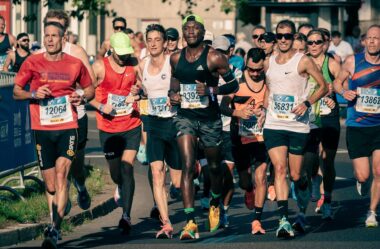

Combining Cross Training with Long Runs Effectively
Integrating cross training into a marathon training routine offers numerous benefits. This approach not only enhances muscle balance but also helps reduce injury risk significantly. Cross training enables runners to improve their overall fitness by engaging different muscle groups while maintaining cardiovascular endurance. Cycling, swimming, and strength training can supplement typical running regimens, allowing for a more holistic training strategy. Additionally, variety in the training habits keeps workouts interesting and reduces mental fatigue from repetitive activities. Understanding the types of cross training that best complement long runs is key. For example, low-impact exercises like swimming can enhance aerobic capacity without placing stress on the joints. Conversely, incorporating strength training can lead to increased muscular endurance and power, crucial for tackling challenging courses during races. Balancing these two components entails planning sessions carefully around long runs to prevent fatigue and ensure optimum recovery. Some runners prefer to perform cross training the day before or after a long run, thus maximizing training efficiency while allowing adequate rest. Overall, a well-structured approach can dramatically improve marathon performance and enhance enjoyment during the training period.
Long runs are a critical component of any marathon training plan. These runs help to develop endurance, providing a foundation for tackling the distance of a marathon. However, grueling long runs can lead to physical and mental fatigue if not balanced with effective cross training. Through cross training, athletes can avoid the dreaded plateau by targeting specific muscle areas while allowing key running muscles to recover. For runners, the selection of cross training activities is paramount. Activities like cycling and rowing can enhance cardiovascular fitness while providing varied muscle engagement. It’s important to maintain a balance between aerobic exercises and resistance training. These activities can also improve core strength, essential for maintaining good running form, especially during the latter stages of a marathon. Moreover, flexibility and mobility exercises, such as yoga or Pilates, can assist in injury prevention and recovery after long distances. Furthermore, participating in group classes may enhance motivation and accountability, making the training process more enjoyable. Incorporating a variety of training modalities can support overall improvement and sustain enthusiasm throughout a marathon training cycle.
To effectively blend cross training with intense long runs, appropriate scheduling is critical. Many runners find success by implementing cross training on recovery days, ensuring that their legs have adequate rest and recuperation. Planning workouts strategically can stimulate performance while preventing burnout. Establishing a structured weekly training routine allows for better management of training loads. A common approach might involve designating one or two days solely for cross training, while creating a progressive long run schedule during the week. When transitioning between these workouts, it is essential to adapt energy and nutrition strategies accordingly. Ensuring proper fueling before and after long runs can help to replenish energy stores. Also, integrating hydration strategies into cross training sessions helps maintain optimal physical function. For example, post-workout nutrition should focus on carbohydrates and protein to aid recovery. Periodically reassessing the training plan is equally important. As fitness levels improve, adjusting both running intensity and cross training can facilitate continued improvement. Validating which activities yield the most beneficial results can inform choices, honing the overall training strategy as marathon goals draw closer.
The Role of Recovery in Training
One essential aspect that cannot be overlooked when combining cross training with long runs is recovery. Proper recovery techniques significantly enhance performance and longevity in the sport. In particular, prioritizing both rest days and active recovery days ensures the body has ample time to heal and rebuild. Implementing strategies such as foam rolling and massage therapy can be beneficial in reducing soreness and increasing blood flow to muscles. Furthermore, adequate sleep is fundamental to recovery, allowing hormonal balance and performance benefits to manifest. Applying a recovery week approach can rejuvenate energy levels and prevent overtraining. Flexibility-enhancing exercises such as yoga or gentle stretching help maintain joint mobility. Likewise, reducing mileage in designated recovery weeks ensures that physical demands remain manageable. Understanding the body’s signals for fatigue and soreness can guide decisions related to training intensity. Runners should listen to their bodies, prioritizing rest when needed to avoid injuries. By allowing adequate recovery time, runners can maximize the gains obtained through their long runs and cross training sessions. This proactive approach helps athletes maintain consistency, which is critical in any successful marathon training regimen.
Nutrition plays a vital role in the success of effective marathon training that incorporates cross training. Adequate nutrition ensures that athletes possess the necessary energy to perform during both long runs and cross-training sessions. A tailored nutrition plan that aligns with individual training goals enhances performance and recovery. Prioritizing whole foods, including lean proteins, complex carbohydrates, fruits, and vegetables, will optimize overall health and performance. Additionally, staying hydrated before, during, and after workouts contributes to efficient nutrient absorption and muscle function. Pre-training meals should focus on complex carbohydrates for energy, while post-training nutrition should aim to replenish glycogen stores and provide proteins for muscle repair. Timing meal consumption is crucial; consuming nutrients within 30 minutes following intense workouts promotes recovery and reduces muscle soreness. Also, regular intake of electrolytes, especially during long runs, is essential to replace those lost through sweat. As marathon training progresses, reviewing and adjusting dietary choices will ensure runners can support their specific energy needs effectively. Creating simple meal plans in advance can help streamline nutrition and encourage healthy eating habits throughout training.
Cross training not only diversifies workouts but also allows runners to engage in activities that prevent overuse injuries. Common injuries among marathon runners are often linked to repetitive motions in running, leading to fatigue or strain on particular muscle groups. By incorporating various cross-training modalities, runners can strengthen underutilized muscles and improve their overall biomechanics. Consider swimming, cycling, or even hiking as alternatives that work the cardiovascular system while offering respite to the legs. For example, if a runner is experiencing hip discomfort, cross training can keep them active while addressing the imbalance. Furthermore, strength training targeting major muscle groups supports stability and power, enhancing the body’s ability to handle more demanding distances. Additionally, varying training intensity also plays an essential role; moderate cross training can contribute to aerobic capacity without pushing physical limits. Engaging different muscle groups positively impacts resilience and improves overall performance. Incorporating dynamic strength exercises and functional movements can enhance agility and coordination necessary for marathon running. Understanding these diverse benefits of cross training is critical, enabling marathon runners to optimize their workouts while minimizing injury risk.
Conclusion
The effective combination of cross training with long runs is essential for any marathon runner. This integration leads to improvements in fitness, flexibility, and muscle balance, contributing overall to enhanced performance. By carefully managing training schedules, recovery, and nutrition, runners can achieve lasting gains that would otherwise remain elusive. Focusing on injury prevention through incorporating a variety of exercise modalities enables runners to build strength and resilience while minimizing burnout. Furthermore, an effective blend of these elements requires personalizing training to address individual needs. By experimenting with different cross training techniques, runners will discover alternatives that work best for them, ultimately enhancing their training processes. As marathon goals draw closer, maintaining consistency will lead to the much-desired improvements in overall performance. Lastly, never underestimate the excitement that new activities can bring to training; embracing cross training with enthusiasm can transform one’s marathon experience. Remember, the journey towards completing a marathon is as important as crossing the finish line, reinforcing the significance of enjoyment throughout training. Ultimately, creating a balanced approach to marathon training that encompasses various activities will yield satisfying results, enriching the entire marathon journey.