
Combining Aromatherapy and Deep Breathing Exercises for Stress Reduction
In today’s fast-paced world, stress is becoming a common complaint, affecting individuals from all walks of life. Incorporating aromatherapy into your routine can profoundly impact stress management. Essential oils derived from natural plants can provide soothing scents that uplift moods. Lavender, chamomile, and bergamot are particularly effective in promoting relaxation. When combined with deep breathing exercises, these scents can enhance their benefits. To start, choose a calming essential oil and add a few drops to a diffuser. As the aroma fills your space, practice breathing deeply and slowly, inhaling through the nose and exhaling through the mouth. This combination can ground you, allowing for better stress management. Explore different oils to see which resonates most with your senses. A relaxing atmosphere and focused breathing can help clear your mind of racing thoughts, paving the way for a tranquil state. Each breath becomes a passage towards serenity, allowing you to face challenges with a clearer head. Consistency in this practice can yield lasting benefits for your mental health and well-being. Remember to create a comfortable environment and nourish your body and mind through these wellness techniques.
The Power of Aromatherapy
Aromatherapy is not just a trendy wellness practice; it is a scientifically supported method for reducing stress. The use of essential oils dates back to ancient cultures, including Egyptian and Roman civilizations. Research shows that inhaling certain aromas can positively influence mood and decrease stress levels. For instance, lavender oil is often praised for its calming effects on both the body and mind. It reduces anxiety and promotes better sleep quality. Similarly, peppermint oil can invigorate and uplift, counteracting feelings of fatigue. Utilizing essential oils in your daily routine can be as simple as placing a drop on your wrist or using an oil blend in a bath. Another method is making a rollerball remedy to conveniently apply during stressful moments. This allows for an immediate release of calming scents while grounding you in the present. Additionally, combining these aromas with elements of mindfulness can enhance overall effectiveness. The interplay between your body’s response to scents and your conscious efforts towards relaxation can create a powerful synergy. Being mindful of what works best for you is essential in developing your personalized stress management routine.
Breathing techniques play a crucial role in minimizing stress, especially when paired with aromatherapy. Deep breathing exercises synchronize the mind and body, enhancing focus and relaxation. One effective method is the 4-7-8 technique, which requires you to inhale for a count of four, hold for seven, and exhale for eight. This rhythmic practice can calm your nervous system, especially when accompanied by your chosen essential oil. Try this method by finding a comfortable position, closing your eyes, and filling your lungs with the aroma of refreshing eucalyptus. Allow the scent to permeate your senses while you follow the breathing pattern. This dual focus helps anchor your thoughts, making it easier to release stress. Frequent practice can enhance the effectiveness of these techniques, creating lasting benefits over time. Additionally, using calming scents before bedtime can improve sleep quality, further alleviating stress levels. Make it a part of your evening routine for lasting change. Remember that individual responses to scents vary, so experiment with various oils to discover which combinations most effectively promote relaxation during deep breathing sessions.
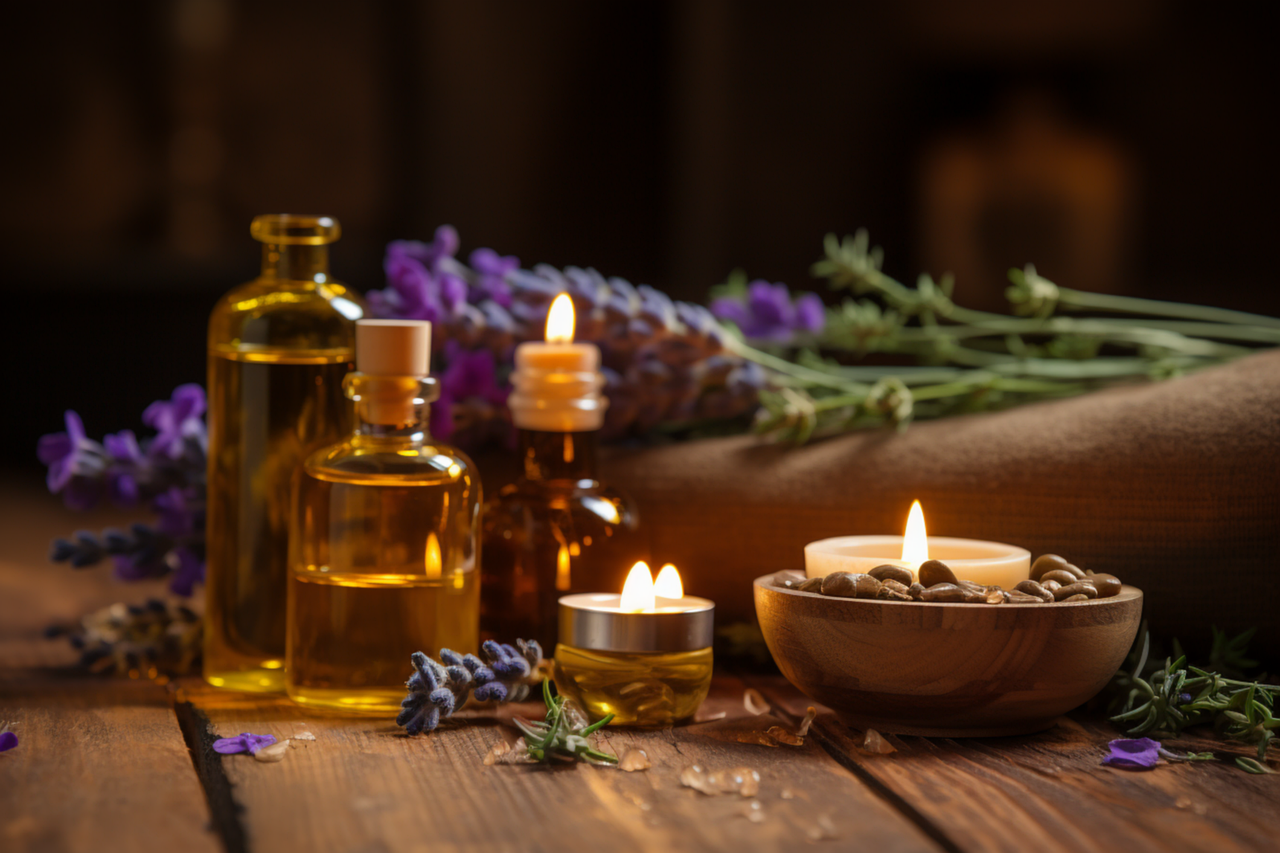
Setting the ambience for your relaxation practice is essential for increasing its effectiveness. Create a space in your home dedicated to stress relief, equipped with soothing essential oils, comfortable seating, and soft lighting. Dim the lights or use candles to add warmth to the environment. A cozy blanket or seat can make the area more inviting. Consider incorporating soothing sounds, like nature sounds or soft music, to enhance the calming atmosphere. By integrating these elements, you create a haven for relaxation. Each session should be free from distractions, so turn off electronics and inform others in your home of your need for quietude. This time is for you—an opportunity to recharge mentally and emotionally. Use this space for practicing your deep breathing alongside different scents. As you make this consistent habit, it can become a cherished part of your routine, enabling you to cope better with daily stressors. In addition, journal your experiences in this space, noting which techniques and scents worked best for you. Reflection reinforces learning, helping you fine-tune your stress management toolkit.
Creating Your Aromatherapy Blends
Crafting personalized aromatherapy blends allows you to tailor the experience to your specific emotional needs. Begin with a basic understanding of essential oil properties; for instance, stimulating oils like lemon and rosemary can lack stress-relief potential. Blend them with soothing oils, ensuring a balanced composition. Use carrier oils like jojoba or sweet almond oil when creating roll-on blends, allowing for safe topical use. Start by selecting two to three essential oils that complement each other and stir them together in a glass container. Test the mixture on a cotton ball, adjusting the ratios according to scent preference. Experimentation is key! Take notes of the oils you use, their effects, and the emotional responses they invoke. This way, you create a personalized library of blends that resonate most profoundly with you. Once your blend is perfected, use it during deep breathing exercises to heighten relaxation. Store your blends in a dark, cool space to preserve their potency. Utilize them throughout the day; whenever stress levels arise, apply your blend as an aromatherapy boost to refocus your mind and bring serenity back into your life.
Integrating aromatherapy with deep breathing exercises may change how you approach stress management. Start with an open mind and a willingness to explore new techniques in your relaxation journey. The benefits are multifold, touching every aspect of life. By discovering which scents promote emotional stability and pairing them with focused breathing, you unlock a sea of possibilities. Consider joining a workshop or community class that focuses on stress relief techniques, expanding your knowledge while meeting like-minded individuals. Online classes and tutorials can also provide valuable insights. Share best practices with friends to enhance your enjoyment of the process. Moreover, documenting your progress in a wellness journal can guide you in fine-tuning your strategies over time. This journey is not a race; take the time to savor each moment of clarity and calm as it arises. Commit to regular practice to witness changes in your stress responses. With dedication and self-compassion, you can reshape your relationship with stress and learn to welcome deeper breaths, fragrant oils, and moments of tranquility.
In conclusion, combining aromatherapy with deep breathing is an excellent approach to stress reduction. Each method individually offers distinct benefits, yet their combination amplifies overall results. Take the time to explore various oils and techniques that work best for you. Remember that everyone’s experiences and methods will differ, so lean into personal exploration. Share your journey with others, encouraging conversations about stress management. Engage with communities both online and locally dedicated to holistic wellness practices. The more you learn, the better equipped you will be to handle life’s challenges. Create a toolkit filled with techniques and scents that enhance your quality of life, building a unique roadmap towards greater emotional resilience. As you integrate these practices into your daily routine, allow room for growth. Celebrate small victories in your mindfulness journey. Embrace the power of scent and breath for wellness, acknowledging that improvement takes time. Look forward to a calmer mind, more focused energy, and newfound connections to yourself. Share your experiences and find strength in the knowledge that you’re not alone on this path to stress management through aromatherapy and breathing exercises.
Ultimately, well-being is a holistic pursuit that encompasses body, mind, and spirit. Embrace the transformation offered by aromatherapy and deep breathing exercises as a powerful combination for stress relief. This journey should be approached with curiosity, compassion, and openness. Explore, learn, and adapt your practices as you grow. The beauty of these techniques lies in their adaptability to individual needs, making them accessible to everyone. Ensure to nurture connections with nature throughout your practice, appreciating how scents inherently link us to our environment. Stand firm in your commitment to self-care, recognizing the essential role it plays in navigating life’s inevitable ups and downs. Stress will always be a part of our lives, but how we respond can be transformed through intentional practices. By utilizing aromatherapy and deep breathing techniques, you empower yourself to create healthier coping mechanisms. Your path toward renewed inner peace is under your control, guided by the fossilized wisdom of nature and your own inner calm. Take the first steps toward a healthier lifestyle today, forging a brilliant connection between scent, breath, and well-being.