
Adaptive Fitness Exercises for Cardiovascular Health in Individuals with Disabilities
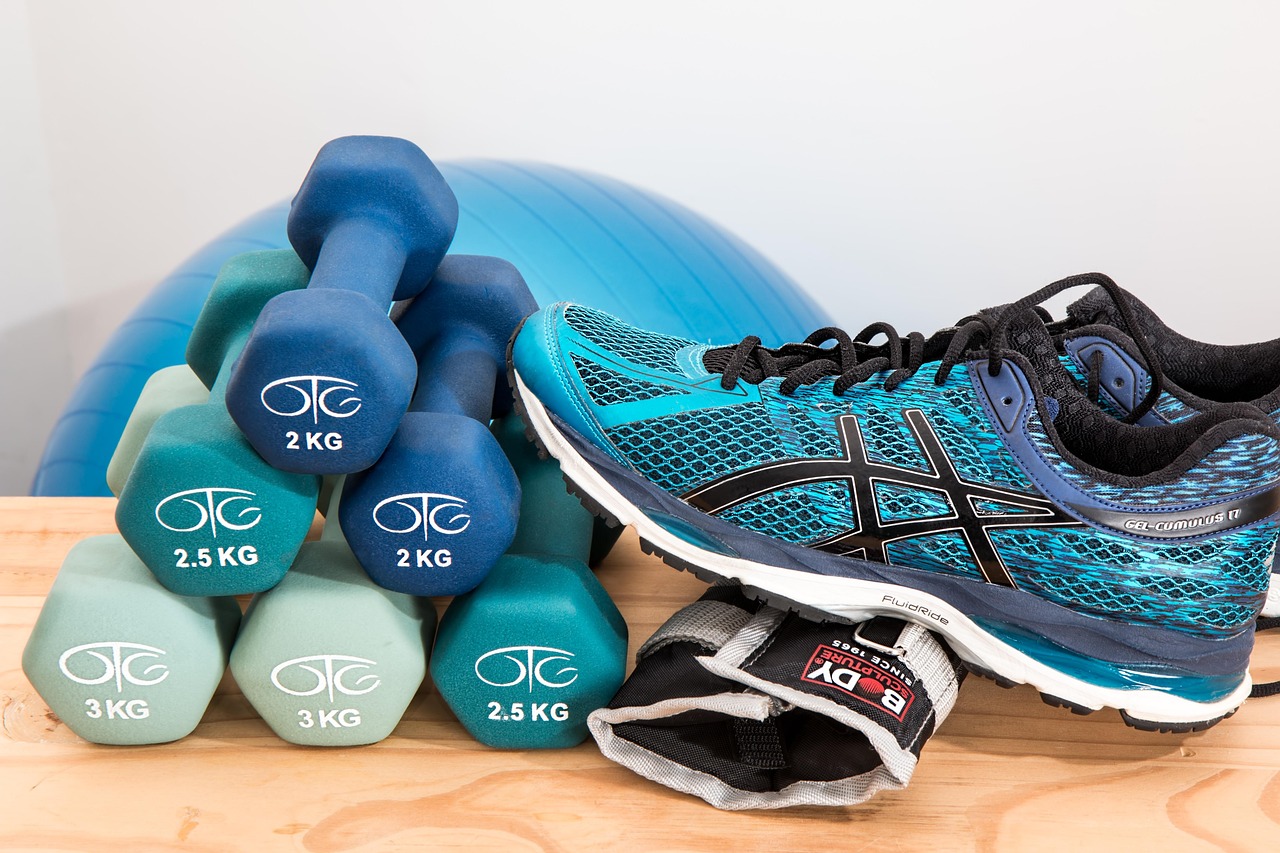
Cardiovascular health is essential for everyone, particularly individuals with disabilities. Engaging in adaptive fitness exercises can significantly enhance heart health and overall wellbeing. Tailored workouts can accommodate various abilities, ensuring inclusivity and effectiveness. Exercises such as seated aerobics, resistance training, and modified yoga can help strengthen the heart. It’s vital to focus on activities that elevate heart rate while being safe and enjoyable. Adaptive equipment is often available, such as resistance bands and lightweight dumbbells, which aid in completing exercises effectively. Consulting with healthcare professionals can help individuals create a personalized exercise plan. Inspirational support is crucial, so being part of a group can motivate individuals. Whether adaptive fitness is pursued individually or as part of a social setting, the physical and mental benefits are considerable. Regular participation can lead to improvements in blood circulation, lung capacity, and aerobic endurance. Creating an empowering atmosphere where success is celebrated ensures longevity in the fitness journey. This approach fosters confidence and encourages consistency in exercising, leading to better cardiovascular health outcomes for individuals with disabilities.
Choosing the Right Adaptive Exercises
Selecting appropriate exercises is crucial for maximizing cardiovascular benefits. Individuals differ in their abilities and preferences. For this reason, assessing each person’s needs is essential. Some can perform seated exercises, while others may engage in standing activities with assistance. Low-impact movements are generally more suitable for those with joint issues, ensuring they remain comfortable while exercising. Activities like swimming or stationary cycling are excellent choices to improve cardiovascular health. They provide a full-body workout without excessive strain. Moreover, individuals should consider their interests to maintain motivation. If someone enjoys a specific activity, they are more likely to continue exercising regularly. It’s beneficial to include variations in routines. This can keep workouts fresh and exciting. Additionally, incorporating breathing techniques and stretching into sessions can enhance the overall experience. Proper warm-up and cool-down periods should also be mandatory to prevent injuries. Collaborating with adaptive fitness professionals is invaluable. They can assist in making informed choices, providing recommendations tailored to specific goals. It’s critical to create a supportive environment where individuals can share their experiences, fostering camaraderie and collective motivation during the fitness journey.
Tracking progress is vital in any fitness regime, especially for individuals with disabilities. Monitoring advancements in cardiovascular health encourages continued engagement and reveals the effectiveness of exercises. By setting realistic goals, individuals can celebrate small victories, encouraging persistence. Using journals, fitness apps, or support groups can assist in maintaining motivation. Regular assessments help individuals understand their improvement areas, allowing modifications to routines if necessary. Incorporating measurement of heart rates during exercises helps gauge the intensity of workouts. Many fitness monitors are available today that can simplify this process. These tools promote accountability and persistent engagement, reminding individuals to stay active. Moreover, participating in community events or challenges can create further excitement. This empathetic environment builds camaraderie, encouraging individuals to reach personal goals together. Celebrating collective and individual successes fosters confidence. Meeting others who share similar experiences can inspire people to strive for better cardiovascular health. Encouragement from peers is a powerful motivator in overcoming obstacles. With determined support, achieving fitness goals becomes more achievable, ensuring sustained improvements in cardiovascular capabilities.
Understanding the Benefits of Adaptive Fitness
The benefits of adaptive fitness include significant enhancements in cardiovascular health among individuals with disabilities. Regular exercise positively influences heart functions, resulting in improved circulation and reduced risk of cardiovascular disease. A heart-healthy lifestyle ensures better oxygen delivery throughout the body, promoting increased endurance and overall vitality. Engaging in regular cardiovascular activities also aids in weight management. This is particularly essential for individuals prone to obesity due to limited mobility. Furthermore, adaptive fitness routines contribute to improved muscle strength and flexibility, leading to enhanced mobility. Physical fitness has profound effects on mental wellbeing. Exercising stimulates the production of endorphins, known as ‘feel-good’ hormones, which can alleviate feelings of anxiety or depression. The empowerment experienced during exercise can enhance self-esteem and confidence, positively impacting everyday life. Improved socialization opportunities arise from participating in group activities, fostering friendships and emotional support systems. In addition, feedback from fitness professionals can instill a sense of accomplishment and personal advancement. So, it’s crucial to recognize adaptive fitness as a comprehensive approach that benefits both physical and emotional health, ensuring fulfilling lives for individuals with disabilities.
Proper nutrition goes hand in hand with adaptive fitness in promoting cardiovascular health. A balanced diet enhances the effectiveness of exercises and contributes to overall wellbeing. Individuals should focus on consuming nutritious foods that support heart health, such as fruits, vegetables, whole grains, lean proteins, and healthy fats. Staying hydrated is equally crucial during exercise sessions. Drinking sufficient water helps maintain energy levels, improve performance, and aid recovery. The combination of good nutrition and physical activities optimizes cardiovascular benefits, making exercises more effective. Planning meals can further ensure nutritional balance, simplifying choices pre and post-workout. Avoiding processed foods, high sugars, and excessive sodium is also advisable for maintaining optimal health. Consulting with a nutritionist specializing in adaptive fitness is invaluable. They can provide personalized meal plans, ensuring individuals meet their dietary goals effectively. Moreover, being conscious of portion sizes contributes to maintaining a healthy weight. Nutritional education plays a vital role in understanding how food influences fitness. This knowledge can motivate individuals to make healthier choices, reinforcing the dedication towards both exercise and diet for achieving improved cardiovascular health outcomes.
Modifying Exercises for Safety
Ensuring safety while exercising is paramount for individuals with disabilities. Adaptive fitness requires awareness of modifications that can create a safer environment. Each person’s limitations may differ, necessitating tailored adjustments for various activities. It’s essential to utilize appropriate assistive devices, such as handrails or stability balls, to enhance safety. Exercises should prioritize controlled movements to prevent strain or injury, especially for those with pre-existing conditions. Taking frequent breaks helps to avoid fatigue, allowing individuals to listen to their bodies. For instance, seated exercises like chair yoga offer low-impact options that can accommodate various abilities while remaining safe. Always emphasize proper breathing techniques during physical activities. This lowers stress levels and improves performance. Instruction from trained professionals is critical in ensuring safety and effectiveness while performing exercises. They can provide additional techniques to modify activities according to individual requirements. Creating a positive and adaptive atmosphere empowers participants to explore new movements without fear of judgment. Finally, always consult healthcare providers when integrating exercises into daily routines, ensuring all safety measures align with personal capabilities and medical considerations.
Social support plays an instrumental role in the success of adaptive fitness within the community. Individuals with disabilities often thrive in inclusive environments where they can share experiences and motivations. Group activities facilitate social connections, making workouts more enjoyable and less daunting. Strong relationships formed in fitness settings lead to encouragement and shared perseverance, creating a bond among participants. This camaraderie fosters a sense of belonging, which can significantly boost engagement in adaptive exercise programs. Having workout buddies also enhances accountability, as individuals want to reach their goals together. Socializing during exercises leads to discussions about personal challenges and achievements, providing a support network. This adds a psychological dimension to the fitness journey, enriching experiences and fostering motivation. Communities offering adaptive fitness classes often host events to engage members. Participating in friendly competitions or group challenges can be enjoyable, enticing individuals to step out of their comfort zones. Therefore, creating supportive spaces with an emphasis on inclusivity is key. Adaptive fitness can transform into a meaningful experience, promoting lifelong friendships, motivation, and a commitment to improved cardiovascular health.
Moving Forward and Staying Engaged
Planning future activities ensures continued engagement in adaptive fitness while fostering lasting health benefits. Individuals should regularly revisit their goals, adjusting them as needed to remain motivated. Integrating variety into routines prevents monotony, keeping workouts fresh and exciting. Exploring new classes, trying different equipment, or integrating outdoor activities can stimulate interest and enthusiasm. Participating in community events or workshops expands knowledge about adaptive fitness. Finding inspiration in success stories can empower individuals to strive for their success, regardless of limitations. Consistently consulting with professionals can help refine techniques and introduce new exercises, maintaining a dynamic fitness journey. Individuals must take steps to celebrate achievements, big or small, which contributes to a positive mindset. Recognizing the progress made provides encouragement to pursue further advancement. Scheduling regular check-ins with coworkers, friends, or trainers for accountability enhances motivation. Maintaining connections with support groups encourages sharing of experiences and challenges faced along the way. Overall, sustaining engagement in adaptive fitness requires a combination of personal commitment and community support, ensuring continuous improvements in cardiovascular health for individuals with disabilities.