
Warm-up and Cool-down Strategies for Elderly Swimmers
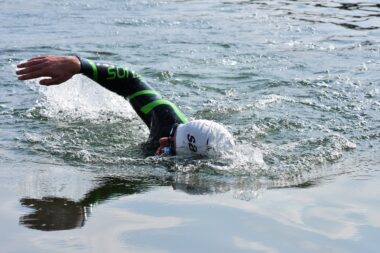
Elderly swimmers can greatly benefit from effective warm-up and cool-down routines, which are essential for injury prevention and enhancing overall performance. A proper warm-up prepares both the body and mind for the activity, ensuring a safe transition into vigorous swimming. Start with gentle activities, such as light walking or arm circles. This increases blood flow and gradually elevates the heart rate. Focus on dynamic stretches, particularly targeting key muscle groups like the shoulders, back, and legs. Engaging in movements like torso twists and leg swings helps in improving flexibility. Moreover, an appropriate warm-up involves not only physical but also mental preparation. Visualizing the swimming session ahead can help elderly swimmers align their focus and set achievable goals. Incorporating water-based warm-ups such as light swimming or aqua jogging can also be advantageous. This environment reduces joint impact and boosts buoyancy. Overall, having a structured routine with these warm-up strategies fosters confidence in elderly swimmers. This enables them to safely enjoy their aquatic activities while minimizing any potential discomfort or risks associated with swimming and subsequent exertion.
Cooling down after a swimming session is as important as warming up, especially for elderly swimmers. The aim of cooling down is to help the body transition back to a resting state after exertion. A proper cool-down routine aids in the gradual recovery of heart rate and helps flush out metabolic wastes built up during the workout. Start with gentle swimming or floating on the water to maintain movement without intensity. This helps maintain blood flow to the muscles while preventing stiffness. Following this, incorporate static stretches focusing on major muscle groups. Stretch the arms, legs, and back in a controlled manner, emphasizing relaxation and deep breathing. Hold each stretch for at least 15 to 30 seconds, allowing the muscles to lengthen comfortably. A good practice is to maintain hydration during the cool-down phase, replenishing fluids lost during the workout. Encourage the use of wrist and ankle movements to promote joint flexibility and decrease potential soreness. When elderly swimmers allow their bodies to cool down properly, they can enhance recovery, reduce muscle tension, and ensure that the enjoyment of swimming continues long after the workout is completed.
Dynamic Warm-up Exercises
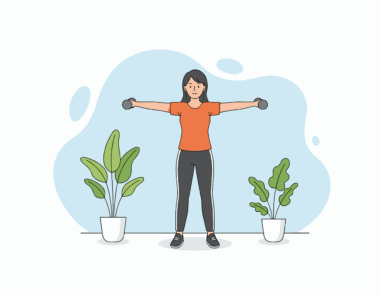
Incorporating dynamic warm-up exercises into the swimming routine can significantly benefit elderly swimmers. These exercises enhance muscular strength, flexibility, and functional movement patterns. They prepare the body for the physical demands of swimming by mimicking body movements in the water. Activities such as arm swings, high knees, and leg kicks can be included. These movements encourage joint mobility and elevate heart rate gently. Engaging in activities that simulate swimming strokes, like practicing arm circles or mimicking the breaststroke kick while standing, prepares the body for specific strokes. It’s essential to perform these exercises at a slow and controlled pace, maintaining focus on form to avoid injury. Breathing deeply during each motion helps with relaxation and increases oxygen flow to muscles. Many elderly swimmers benefit from using resistance bands during dynamic warm-ups; these can enhance strength without excessive strain. Always listen to the body’s feedback and adjust the intensity according to personal comfort and fitness levels. By implementing these dynamic exercises into warm-up routines, elderly swimmers can enhance joint flexibility and overall functionality in the water.
Water-based warm-ups can also significantly help elderly swimmers prepare for their sessions. These involve performing gentle movements and stretches directly in the pool, where water provides both resistance and support. Start with gentle floating and light kicking to activate different muscle groups. Gradually, engage in more dynamic movements like water walking and arm strokes while standing in shallow water. These movements ease the transition into swimming, allowing muscles to adapt safely to the upcoming workload. Moreover, performing warm-up exercises underwater offers various benefits, as the water reduces the impact and strain on joints. This can significantly reduce the risk of strains, sprains, and other injuries. Additionally, since water provides resistance, it can enhance muscular engagement without the need for heavy weights or intense drills. Elderly swimmers should consider performing rhythmic movements, like circling arms and side bends, to promote flexibility in a relaxed setting. Overall, using the aquatic environment effectively contributes to a safer and more enjoyable warm-up experience, encouraging older adults to remain active and engaged in swimming.
The Importance of Breathing Techniques
Incorporating proper breathing techniques during warm-up and cool-down is crucial for elderly swimmers aiming to improve their performance and safety. Regular practice of deep and controlled breathing eases the cardiovascular system into the swimming session. During warm-ups, focus on inhaling deeply through the nose and exhaling slowly through the mouth. This technique aids in supplying adequate oxygen to the muscles during the activity. Practicing this rhythm can enhance lung capacity and reinforce a calming mindset, essential before any workout. Similarly, breathing techniques during cool-down help facilitate a smooth transition back to rest by promoting relaxation. Emphasizing slow and deep breaths while stretching can encourage muscle relaxation and reduce tension. This mindfulness approach during swimming aids in mental clarity, increasing enjoyment in the activity. Additionally, when practicing strokes in the water, ensuring proper exhalation when the head is turned to breathe can significantly enhance swimming efficiency. Consistently integrating these breathing exercises into swimming routines fosters physical well-being while promoting mental calmness. This balance is particularly vital for elderly swimmers who often face barriers in exertion, allowing them to derive sustained benefits from regular swimming.
Monitoring hydration is another vital aspect of warm-up and cool-down strategies for elderly swimmers. As aging can affect thirst perception, older adults may not always recognize their hydration needs, making it essential to proactively manage fluid intake. Before starting any warm-up, elderly swimmers should hydrate adequately. Drinking water or electrolyte-rich fluids can prevent dehydration, which negatively impacts performance and recovery. Additionally, during the entire swimming session, make sure to take regular breaks for hydration, particularly if swimming in a warm environment. Post-swimming hydration is equally important to replenish lost fluids. Encourage elderly swimmers to choose easy-to-digest, hydrating snacks post-session. Foods high in water content like fruits or soups can be beneficial. Adequate hydration facilitates muscle recovery, ensuring joints and muscles function optimally. Moreover, it helps regulate body temperature, especially as it fluctuates during physical activity. By fostering a habit of monitoring hydration levels before, during, and after swimming sessions, elderly swimmers can significantly enhance their performance and well-being while reducing potential post-exercise fatigue, muscle cramps, and overall discomfort.
Conclusion and Encouragement
In conclusion, incorporating specific warm-up and cool-down strategies is crucial for elderly swimmers to enhance their performance and enjoyment in the water. Tailored routines that include dynamic movements, water-based exercises, and proper breathing techniques will aid in injury prevention and recovery. With consistent effort in these routines, elderly swimmers can benefit from improved flexibility, strength, and overall well-being. Creating awareness about hydration and its significance cannot be overstated, as it fosters an understanding of maintaining physical health, especially in older adults. Encourage elderly swimmers to listen to their bodies and make adjustments as needed, ensuring that swimming remains a pleasurable activity. Building a routine focused on gradual increases in intensity and safe transitions can help acclimatize the body to meet physical demands more effectively. This approach not only promotes lifelong engagement in swimming but also supports healthier, more active lifestyles. Community support, alongside educational resources, is vital in encouraging elderly swimmers. Ultimately, the focus should be on fostering a love for swimming that encourages regular participation while embracing the joy of movement and water.
To aid in fostering a positive environment for elderly swimmers, consider implementing group swimming sessions. These social activities enhance motivation, camaraderie, and accountability among participants. Engaging in warm-up and cool-down practices together not only promotes safety but also encourages enjoyable learning experiences. Participants can share techniques, tips, and support one another throughout the process. Providing a safe and welcoming space encourages elderly individuals to try swimming without reservations. With proper guidance and encouragement, elder swimmers can embrace swimming as an enjoyable and rewarding activity. By implementing structured warm-up and cool-down routines, elderly swimmers can significantly enhance their aquatic experience. Thus helping them maintain their physical and mental well-being while actively engaging in a supportive community. Adapting to personal preferences and comfort levels is an additional key to sustaining participation. Overall, by integrating these practices and encouraging camaraderie, elderly swimmers can develop a lifelong passion for swimming, fostering active lifestyles. Ultimately, the goal is to ensure that they enjoy swimming for years to come while also experiencing the profound benefits of water fitness.