
Training in Different Weather Conditions for Olympic Triathlon
Training for an Olympic triathlon requires excellent preparation to tackle various weather conditions. A triathlete must understand how to adjust their training routine based on rain, sunshine, or wind. Tropical climates present humidity challenges, while northern regions can have harsh cold winters. Training in rain means learning how to manage exposure and the slippery terrain. Runners should opt for grips that provide firm ground contact. Heat training requires proper acclimatization to drink more fluids consistently and recognize signs of dehydration during workouts. Consider bringing an electrolyte supplement for hot, humid training sessions. In contrast, cold weather may require additional gear, including thermal outfits for cycling and running. Participants must also understand how to handle road safety in icy conditions. Wind also plays a critical role – running into wind requires different pacing than running with wind. Triathletes must practice in specific conditions to boost efficiency. Researching weather patterns and preparing for the anticipated obstacles can be advantageous. Route planning becomes essential to maintain safety and training intensity. Successful training in these conditions not only prepares athletes for race day but builds resilience over time, essential for peak performance.
Transitioning between different sports also becomes crucial in training under varying weather conditions. The seamless transfer between swimming, cycling, and running needs focus when faced with environmental challenges. In inclement weather conditions, swimming can be held in controlled environments. It’ll allow athletes to keep their regular training schedule uninterrupted, even if it’s raining outside. Closed pools ensure warmth and safety compared to open-water swimming, reducing risk factors. Cycling in the rain requires extra caution, adjusting the bike’s tires and remaining vigilant of muddy roads. Practicing transitions in various conditions can help triathletes master crucial aspects of race day. Additionally, wind conditions influence cycling positions; using appropriate body positioning can aid aerodynamics. While running, ensuring proper gear is fundamental; reflective clothing becomes significant during overcast days. It also enhances visibility. Every aspect influences the overall performance; recognizing which training adaptations to incorporate leads to major improvements. Being prepared gives athletes the confidence to overcome challenges during a triathlon. Carrying out workouts in unfavorable weather increases mental strength. Acknowledging potential discomfort turns into a motivating factor that qualifies athletes for competitions, whether during practice or when representing in actual races.
Hydration and Nutrition Strategies
Proper hydration and nutrition are vital components in triathlon training, particularly in challenging conditions. Athletes must comply with targeted hydration intake, which varies according to heat and workouts. An efficient hydration strategy considers hourly intake during activities, maintaining electrolyte balance. Adopting a nutrition plan before, during, and after training provides sufficient energy levels, promoting optimal performance. High-quality carbohydrates, proteins, and healthy fats form effective meal plans. Using energy gels or bars can support endurance efforts, especially in hot weather. Keeping food at hand for interim refueling can significantly impact training results. It can also assist in recovery throughout intense sessions. In humid climates, adding salty snacks addresses electrolyte loss, replenishing what was lost during extensive exercises. On the other side, in freezing temperatures, warm foods or beverages can create comfort and assist in preventing hypothermia. Both approaches require careful planning and storage solutions to maintain food quality. Always experimenting with options during training ensures athletes discover what works best for their bodies. These tailored hydration and nutrition plans greatly improve endurance potential, establishing methods that will deliver results on race day with added confidence and reduced fears related to competition.
Training for an Olympic triathlon challenges athletes to enhance their mental resilience, especially when faced with adverse weather conditions. Practicing mental techniques during difficult sessions assists in coping during races. Visualization exercises prove beneficial as they instill confidence and needed focus. Training in adverse weather can cultivate a sense of achievement that fuels determination. Developing a positive mindset involves accepting unpredictable circumstances, which can lead athletes to push boundaries. An actionable mental strategy becomes essential in ensuring endurance and strength. Incorporating mindful breathing helps promote relaxation and mental clarity when facing strenuous efforts on tough days. Motivation also plays a vital role; finding a purpose or specific goal keeps spirits high. Whether participating because of health or competitive nature, the desire drives athletes through challenging circumstances. Regularly revising goals helps maintain focus and provides a positive reinforcement cycle. Engaging team support during training invokes camaraderie essential for triathletes. Lastly, keeping up-to-date with mental positivity techniques empowers athletes against setbacks. Building these mental strategies transcends into real competition, allowing athletes to sustain performance regardless of external circumstances. With focus and determination, success becomes an achievable goal through diligent training.
Gear and Equipment Considerations
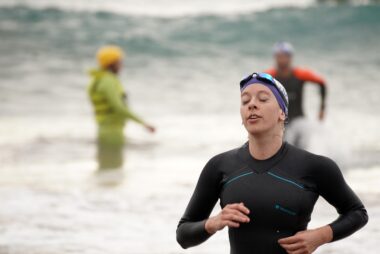
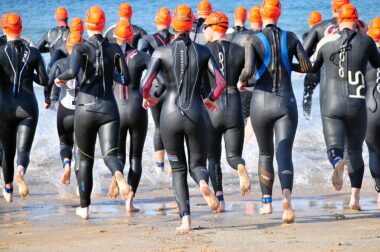
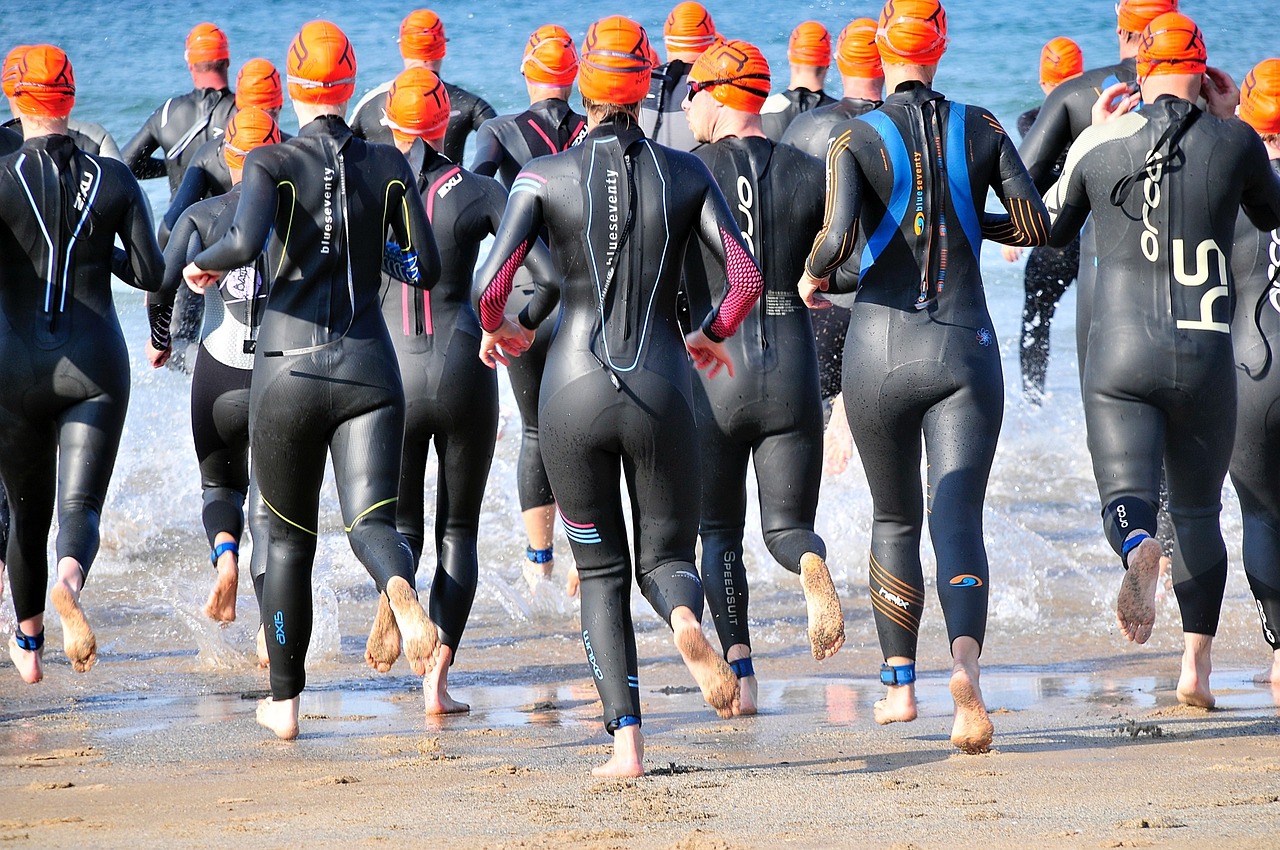
Choosing the right gear is crucial for an effective Olympic triathlon experience, particularly when training across diverse weather. Athletes must select equipment that supports performance while adapting to current conditions. Particular attention must be given to swimming gear, as conditions influence swimming efficiency greatly. When training outdoors during colder months, investing in a quality wetsuit becomes essential for warmth and buoyancy. With swimming, the significance of a streamlined body position enhances performance regardless of temperature changes. Transitioning into cycling gear also requires thoughtful selection. Lightweight bikes can provide effortless pedaling against headwinds, while windbreakers support protection during chilly rides. In rainy weather, ensuring retention of visibility through appropriate reflective gear becomes necessary for road safety. Running attire must also adapt; choosing moisture-wicking fabrics or breathable layers encourages comfort and speed. Running shoes with advanced grip greatly enhance control during wet conditions, decreasing the risk of slips and falls. Another consideration is how to adapt nutrition storage; having waterproof options can safeguard essential products during unpredictable rains. Prioritizing these gear choices enhances performance and ensures an enjoyable experience free from avoidable complications. Each improvement solidifies confidence while racing through various tris, elevating athletes’ completed goals.
Finally, it is essential for triathletes to track their training progress consistently across different conditions. Utilizing technology can greatly assist athletes in monitoring workouts to optimize strategies. Wearable devices offer a detailed analysis of heart rates, distances, and pacing throughout challenging sessions. Implementing training logs or apps also captures key milestones in their journey, helping to evaluate performance metrics regularly. In turn, reviewing and adjusting training activities based on body response maximizes results, promoting adaptability. Understanding training trends enables quick insights on improvement. As workouts unfold, athletes can identify their standards and note specific adjustments to maintain optimal output. Training under diverse environmental elements furthers the data collected through technology. Being systematic about observing one’s progress cultivates ownership of personal goals and accountability. Monthly reviews of collected data create awareness of ongoing challenges regarding adaptation in race conditions. This data-driven approach helps individuals unveil patterns that guide their training cycles effectively. As triathletes prepare for competition day, they become equipped with unique knowledge that solidifies confidence. Consequently, adapting their training enhances their resilience, supporting them when faced with the unexpected challenges during an Olympic triathlon.
Conclusion
In conclusion, training for the Olympic triathlon in different weather conditions relies on a multifaceted approach. Athletes must adapt their strategies based on environment-specific challenges that arise. Understanding nutrition, hydration, mental resilience, and appropriate gear means preparing thoroughly for races. Incorporating different weather scenarios into training enhances overall readiness. Knowledge of weather conditions can improve athletes’ adaptability, allowing focused improvement on performance goals. Moreover, building up experience in challenging conditions naturally leads to stress reduction during races, promoting success. Consistency also becomes a necessary factor; maintaining a structured training program guarantees progress despite external elements. Regularly engaging with supportive communities can lift motivation; athletes inspire and push each other forward. Involvement and camaraderie help thrive in the sport. With adequate preparation, informed training, and positive mindsets, triathletes become empowered to triumph over unpredictable weather factors. Ultimately, these carefully crafted approaches develop capability and enable athletes to cross the finish line. Embracing the challenge ultimately transforms the journey of training into a fulfilling, confident experience tailored for Olympic triathlons.
With the right tools and insights, every triathlete can thrive, irrespective of the weather. Elevating one’s performance under adverse conditions prepares athletes for success on race day.