
The Effects of Different Fasting Windows on Blood Pressure
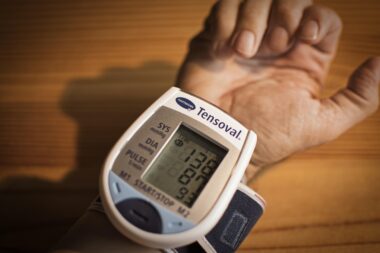
Intermittent fasting (IF) has gained popularity for its many health benefits, especially regarding blood pressure management. Research shows that IF can play a critical role in reducing hypertension levels among various individuals. The primary mechanisms behind these effects include reduced caloric intake and improvements in hormonal balance. Intermittent fasting allows the body to rest from constant feeding, promoting internal healing. Specifically, IF influences insulin sensitivity, leading to lower blood pressure levels. Clinical studies suggest that intermittent fasting might also help alleviate stress and inflammation, both of which are linked to hypertension. Furthermore, when fasting, the body experiences a reduction in blood sugar levels and improved lipid profiles, contributing to cardiovascular health. By reducing the number of meals consumed over several hours, intermittent fasting may encourage hormonal shifts beneficial for heart health. Overall, the metabolic advantages make it a viable option for those struggling with blood pressure issues. Exploring various fasting windows can aid individuals in discovering which method works best for them, potentially leading to effective and sustainable results regarding blood pressure control.
Various fasting windows showcase different effects on blood pressure, primarily influenced by the duration of fasting. For instance, the 16/8 method, where individuals fast for 16 hours and eat within an 8-hour window, is popular among those looking to control hypertension. This method encourages the body to adapt to prolonged fasting, thus improving metabolic processes and reducing stress hormones. Studies indicate that consistent implementation of this method may lead to sustained improvements in systolic and diastolic pressure. Another approach involves alternate-day fasting, which has shown promising results in individuals with significant hypertension. By alternating between regular eating days and fasting days, the body can recalibrate its homeostasis. The benefits of such methods derive from enhanced autophagy, where cells undergo detoxification and repair, leading to better cardiovascular health. Additionally, it may encourage higher cellular sensitivity to insulin, a crucial factor in managing blood pressure. More research is required to clarify the long-term impact of these various fasting methods on hypertension, helping individuals make informed choices about their dietary patterns.
Physiological Impacts of Intermittent Fasting
The physiological changes that occur during intermittent fasting are significant and contribute to its effects on hypertension. One of the most prominent changes is the regulation of hormones such as insulin and glucagon, fundamental in energy metabolism. With reduced insulin levels during fasting, the body becomes more efficient at utilizing stored fat for fuel, thus leading to weight loss. Weight loss itself has a direct relationship with blood pressure; even a small reduction in weight can lead to substantial decreases in hypertension levels. Additionally, fasting triggers the release of norepinephrine, which aids in fat breakdown and may improve vascular function. The fasting state also promotes increased levels of growth hormone, further facilitating fat loss and muscle preservation. Studies have reported a positive impact on endothelial function due to reduced oxidative stress and inflammation observed during fasting periods. Importantly, these physiological adaptations support cardiovascular health and should encourage further exploration. Thus, the interplay of various hormones during intermittent fasting helps individuals gain control over blood pressure and promotes holistic health benefits, representing an emerging area of interest for many health-conscious individuals.
When considering the emotional aspects tied to fasting, educational components play a crucial role. Individuals will benefit significantly from understanding how intermittent fasting influences their blood pressure and overall health. Fostering awareness about the necessity of proper hydration during fasting is crucial for optimal results. Dehydration can lead to increased blood pressure levels, counteracting the advantages of fasting. Health professionals are increasingly advocating for individuals to maintain adequate fluid intake during fasting hours, suggesting water, herbal teas, and electrolytes. Additionally, educating individuals on recognizing stress and its impact on blood pressure during fasting should be a priority. Stress management techniques such as meditation and yoga can complement the results achieved through intermittent fasting. Moreover, exploring various foods to break a fast can create positive reinforcement and enjoyable experiences, thus promoting adherence. Incorporating whole, nutrient-dense foods post-fasting can assist in maintaining healthy blood pressure levels. Thus, emotional support and education should accompany the practice of intermittent fasting to amplify its benefits and ensure it remains a sustainable lifestyle choice.
Potential Risks of Intermittent Fasting
Despite its growing popularity, intermittent fasting may carry potential risks, especially concerning individuals with pre-existing health conditions. Those with hypertension, in particular, should approach fasting cautiously and under medical supervision. A significant risk arises from the misinformation surrounding fasting and its effects on medications. Some individuals may neglect to monitor their blood pressure adequately, leading to the false assumption that fasting alone can cure hypertension. It’s crucial that these individuals maintain regular communication with healthcare professionals while engaging in fasting practices. Additionally, unhealthy eating habits during the non-fasting period can negate the benefits gained during fasting. Binging or consuming high-sodium foods can adversely affect blood pressure and overall health. Furthermore, the potential for developing disordered eating patterns is a valid concern, particularly as individuals become overly focused on restrictive eating practices. Ensuring balanced nutrition during the eating window is vital for overall well-being. Therefore, individuals must remain educated about the risks they may encounter when attempting intermittent fasting, promoting mindful practices that reduce potential health hazards during this dietary approach.
Exploring the relationship between intermittent fasting and hypertension offers a rich array of insights on dietary patterns and lifestyle changes. The ultimate goal is to engage in practices that contribute to improved cardiovascular health and effectively manage hypertension. Personalization is paramount in finding the right fasting method. Individuals should consider factors such as lifestyle, work schedules, and personal preferences as they embark on their fasting journey. Experimenting with various fasting windows can highlight effective recommendations tailored to individual needs. An incremental approach can help facilitate positive changes, allowing individuals to gradually adapt their eating habits. Engaging in continuous learning and adjustment is crucial for long-term success. Individuals may also want to consider incorporating physical activity during their non-fasting periods, further enhancing their blood pressure outcomes. Research shows that combining improved dietary practices with regular exercise amplifies benefits concerning heart health. Ultimately, discovering the right strategy may require patience, but the rewards can significantly enhance quality of life. Thus, the evolving dialogue surrounding intermittent fasting and hypertension encompasses a pathway to better health, promising personalized strategies that resonate with each uniquely.
Closing Thoughts on Fasting and Blood Pressure
In summary, intermittent fasting represents a powerful tool for managing blood pressure effectively. The various methods of fasting provide unique approaches, each carrying distinct advantages to individuals tasked with controlling hypertension. Understanding the physiological impacts, emotional aspects, and potential risks of fasting is essential in maximizing health benefits. As the health community continues to explore this dietary approach, it can unravel more insights that can assist individuals in making informed decisions about their dietary practices. An ongoing commitment to education, alongside awareness of personal health conditions, certainly intensifies the overall success of fasting. Moreover, collaboration with healthcare professionals can ensure that fasting remains a safe and viable option for those aiming to achieve better blood pressure levels. Community support and sharing positive experiences of fasting can also promote adherence and foster lasting changes. Ultimately, combining intermittent fasting with regular health check-ups creates a comprehensive approach to wellness. As researchers and practitioners delve further into the interplay between fasting and blood pressure, the potential for enhanced cardiovascular health remains a promising frontier in holistic lifestyle choices.