
Role of Protein Intake in Muscle Development
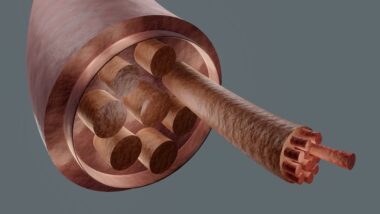
Protein is often recognized as the building block of muscle, making it essential for anyone looking to enhance their muscle development. Consuming adequate protein helps in repairing and building muscle tissues that are damaged during workouts. For optimal muscle growth, aspiring bodybuilders should consider their total daily protein intake, which can vary based on weight and training intensity. Experts recommend about 1.6 to 2.2 grams of protein per kilogram of body weight daily. Understanding protein types is equally crucial; complete proteins, which contain all essential amino acids, such as meat, fish, eggs, and dairy, should be prioritized. Alternatively, vegetarians can focus on combinations like beans with rice or tofu with quinoa. Supplements like whey protein can also support nutritional goals. Timing your protein intake is key; consuming protein-rich meals or shakes shortly after a workout can maximize muscle repair and growth. Additionally, maintaining a balanced diet with healthy carbohydrates and fats can better fuel workouts and recovery. Indeed, balancing macro and micronutrients must remain a priority for achieving muscle-building objectives.
Importance of Protein Timing
Timing your protein intake can significantly impact muscle building and recovery. Post-workout, the body is often in a heightened state of muscle protein synthesis, making protein consumption instantly effective for growth. Consuming protein within 30 minutes to two hours after workouts can amplify muscle recovery and growth. Therefore, planning meals and snacks around workouts is vital for maximizing muscle-building potential. Notably, protein should come from high-quality sources to promote adequate amino acid availability for muscle repair. Whole food sources like chicken, fish, and legumes can be ideal choices. For those with busy schedules, protein shakes offer convenience while ensuring sufficient protein intake. Furthermore, spreading protein throughout the day might be more beneficial than consuming it all in one sitting. Research suggests that dividing daily protein consumption into smaller, frequent meals can further stimulate muscle protein synthesis. Regular intervals of approximately three to five hours between protein-rich meals can enhance overall muscle-building progress. Ultimately, understanding protein timing can lead to more effective training and better results in muscle development.
Different Types of Protein Sources
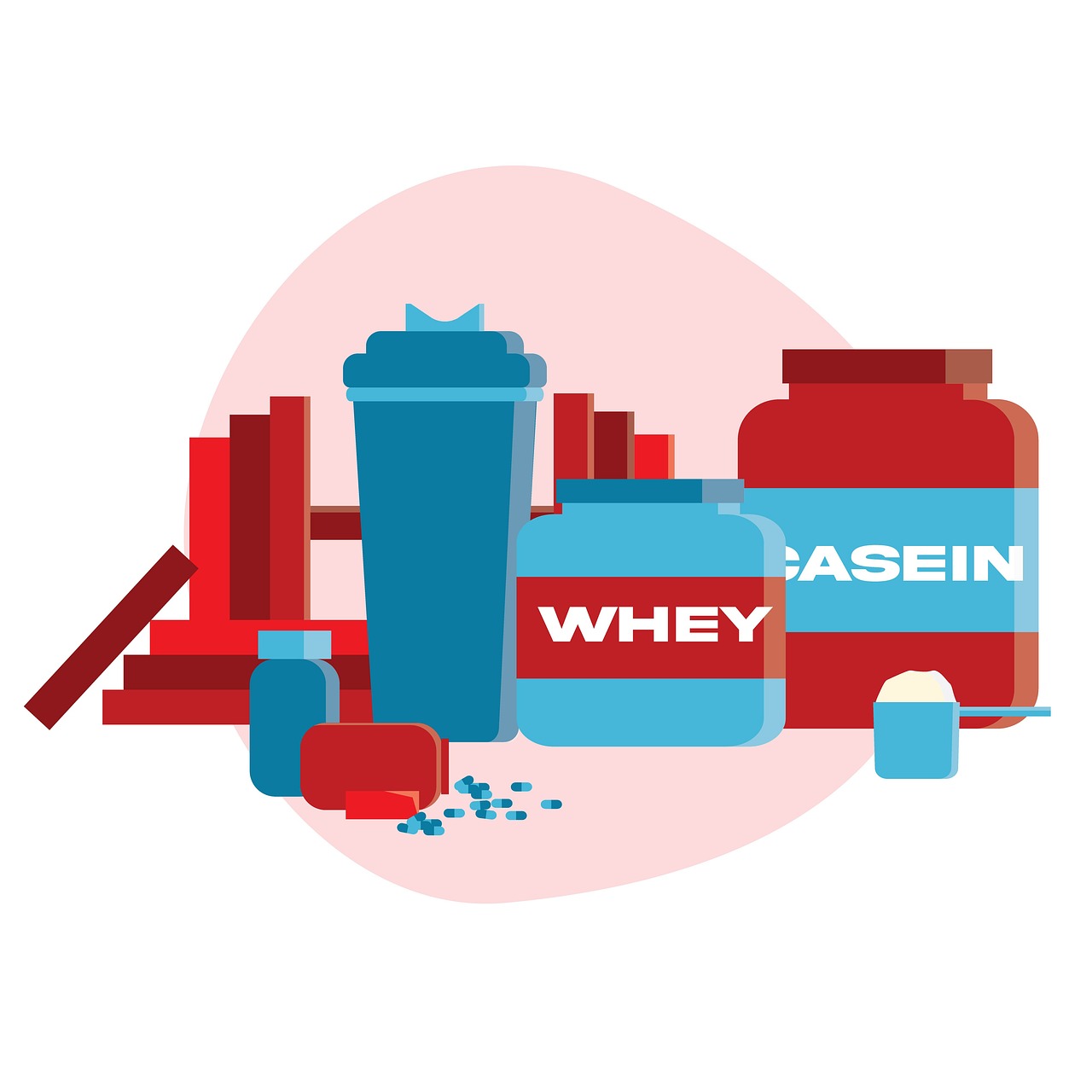
When it comes to muscle development, not all protein sources are created equal. There are two primary types of protein: animal-based and plant-based. Animal-based proteins, such as eggs, dairy, and meat, tend to be complete proteins, containing all essential amino acids needed for muscle repair. On the other hand, plant-based proteins often lack one or two essential amino acids, making them incomplete. However, they can still be an effective option for muscle building when combined appropriately. Examples include beans and rice or lentils with quinoa. Furthermore, various protein powders, like whey, casein, soy, and pea protein are now popular among athletes and fitness enthusiasts. It’s also crucial to consider your dietary preferences and restrictions when choosing protein sources. Individuals who follow a vegetarian or vegan diet might need to be more mindful about their protein intake to ensure they meet their body’s needs. Choosing a variety of protein sources can help avoid dietary deficiencies and enhance overall health while supporting muscle growth effectively.
Protein shakes are also a practical means to probe protein intake, particularly for those constrained by busy schedules. However, while protein supplements can facilitate muscle gain, they should not substitute whole food sources. Whole foods have additional nutrients and fiber that are essential for overall health. Furthermore, paying attention to the quality of the protein is imperative. High-quality protein sources that come from free-range or grass-fed animals are generally preferable. These sources often provide superior nutrient content and promote sustainable farming practices. Both the amino acid profile and the presence of additional nutrients can make a notable difference in performance and recovery. Additionally, if your objective is to gain lean muscle, it is crucial to consume protein consistently while also maintaining a caloric surplus when necessary. This means that eating more than your body burns over time will generate the muscle gain you seek. For many, pairing protein with complex carbohydrates and healthy fats in balanced meals leads to better energy levels during workouts and improved recovery afterward.
The significance of hydration also cannot be overstated when discussing protein intake and muscle development. Water plays an essential role in the body’s ability to utilize protein effectively. Dehydration can lead to muscular cramping and hinder performance during workouts. Moreover, adequate hydration can facilitate nutrient absorption, including amino acids from protein sources. Maintaining proper hydration can also support metabolic processes and speed up recovery time post-training sessions. It is generally recommended to drink sufficient water throughout the day, especially before, during, and after workouts. Furthermore, considering electrolyte balance, particularly for intense training, is vital since sweating leads to electrolyte loss. Drinking electrolyte-rich beverages may further enhance hydration and recovery. In cold weather or sedentary situations, fluid needs may fluctuate, yet it’s essential to listen to your body. Thirst signals, coupled with systematic loss of performance indicators, can serve as reliable markers for adequate hydration. By keeping hydrated properly, alongside sufficient protein intake, you can significantly contribute to muscle development efficiency and overall health.
In addition, understanding the relationship between various dietary components is essential for optimizing muscle-building results. While protein is undoubtedly crucial, carbohydrates serve as the primary energy source during exercise. Insufficient carbohydrates can lead to decreased performance and affect workout intensity. Balancing protein and carbohydrate intake ensures that the body has enough energy to fuel muscle-building workouts while allowing for muscle recovery post-exercise. Healthy fats also have a role in hormone production, including testosterone, which can influence muscle growth. Thus, a balanced intake of carbohydrates, protein, and healthy fats can significantly improve athletic performance and recovery. Incorporating a variety of fruits and vegetables also provides vital vitamins and minerals that can support a strong immune system and overall health. Tracking food intake can be a helpful strategy for ensuring adequate nutrient consumption. Various apps are available that can simplify this process, allowing athletes to monitor their diets closely. Thorough nutritional awareness can ultimately lead to better-informed choices for achieving muscle-building goals.
Lastly, incorporating an individualized approach to dietary habits aligned with muscle-building goals serves significant importance. Everyone’s body reacts differently to certain nutrients based on factors like metabolic rates, workout routines, training intensity, and individual preferences. Therefore, customizing dietary approaches can lead to more efficient results. Some may thrive on higher protein diets, while others might balance macros differently. Experimenting with various protein sources, meal timings, and nutrient combinations can help identify what works best for you. Consulting with a nutritionist or dietitian can provide personalized guidance and tailored meal plans suitable for your unique needs. Additionally, regular reflection on nutritional practices encourages growth and improvement in dietary strategies. It’s essential to remain flexible and willing to adjust according to changes in fitness goals, daily life, and training demands. Keeping a food diary or journal could also help in assessing your progress and refining your dietary choices. Staying informed on best practices related to protein intake can significantly optimize your muscle development journey.
This conclusion encapsulates protein’s pivotal role in building muscle. In summation, protein intake is indispensable for muscle development. A properly structured dietary plan that emphasizes quality protein sources, appropriate protein timing, and adequate hydration, alongside balanced macro intake, is fundamental. The synergy of various dietary components can lead to improved performance and muscle repair. Progress is also facilitated through personalized nutritional strategies while continually assessing personal responses to various dietary methods. Lastly, being mindful that fitness journeys vary means adapting strategies based on ongoing experiences. Therefore, regardless of the protein consumption route chosen, consistency and quality should guide the way. Armed with this knowledge, take the first steps toward an enriching, successful muscle-building experience.