
Rest and Recovery Tips for Solo Bootcamp Practitioners
Engaging in solo bootcamp training can be an arduous journey requiring balance and proper recovery. After intense workouts, your body needs time to heal and adapt. One effective way to facilitate this recovery process is through adequate sleep. Aim for 7 to 9 hours of quality sleep each night. Sleep is crucial for muscle repair and overall health. Additionally, consider incorporating active recovery days, where you participate in low-intensity activities. Gentle yoga or stretching can enhance circulation and reduce muscle soreness. Hydration also plays a vital role in recovery; be sure to drink enough fluids before, during, and after your workouts. Electrolytes can help replace what you lose during vigorous exercise. Another significant aspect of recovery is nutrition. After workouts, consume a balanced meal rich in proteins and carbohydrates to replenish energy and support muscle healing. Monitor your body’s signals, adjusting your training schedule if pain or fatigue persists. Finally, don’t forget mental recovery; engage in activities that bring joy, as your mental state influences physical performance. By prioritizing rest, you’ll maximize the benefits of your training and make significant progress towards your fitness goals.
Prioritizing nutrition after a workout plays an imperative role to enhance recovery in solo bootcamp training. A well-balanced post-workout meal can drastically affect your muscle repair process and energy replenishment. Focus on consuming protein-rich foods to aid muscle recovery. Foods such as chicken, fish, or plant-based alternatives like lentils are excellent sources. Carbohydrates, meanwhile, help to restore glycogen stores, so including whole grains or fruits is essential. Likely, you’re familiar with hydration’s importance; water facilitates nutrient transportation and helps reduce any risk of cramps. To optimize your recovery further, consider specific timing for your post-workout meal. Ideally, eat within 30 to 60 minutes post-exercise. This timing window is when your body is most effective in soaking up nutrients. Prepare healthy snacks or meals in advance to ensure you have accessible options post-training. Additionally, listen to your body and adjust caloric intake based on your training intensity. Ignoring hunger cues can result in inadequate recovery. Remember, quality ingredients lead to quality results, so prioritize whole, unprocessed foods when preparing your meals.
The Role of Stretching in Recovery
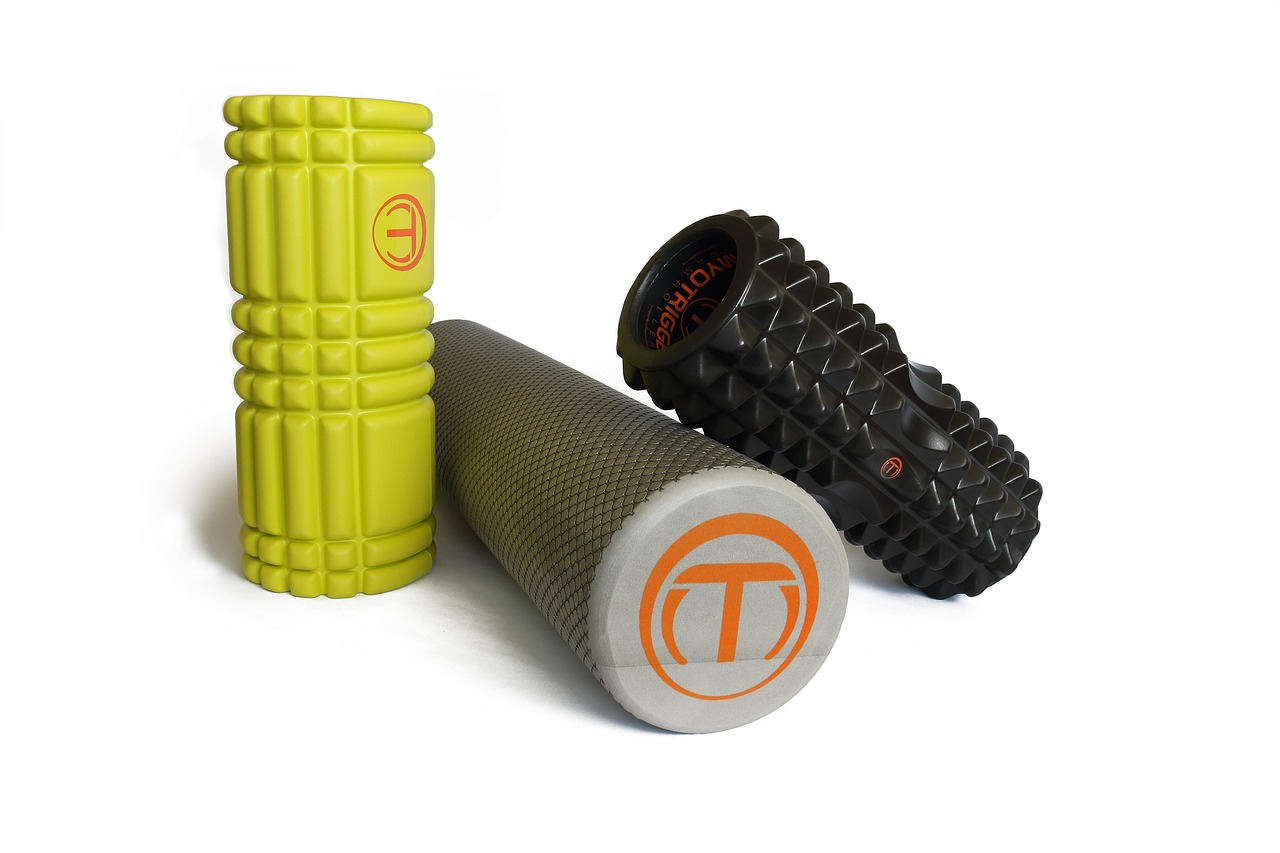
Stretching significantly contributes to effective recovery from intense bootcamp workouts. It increases flexibility and can prevent injuries by preparing muscles for later sessions. Furthermore, stretching helps release tension built up during workouts and improves circulation throughout your body. Consider incorporating both dynamic stretching before your workouts and static stretching afterward. Dynamic stretches can effectively warm your body up, preparing your muscles for activity. Meanwhile, incorporating static stretches post-workout can calm your muscles and restore their lengths. Set aside dedicated time post-training to focus on specific areas that feel tight or fatigued. Not only does this contribute to overall soreness reduction, but it also enhances relaxation. Focus particularly on major muscle groups engaged in your workouts; the hamstrings, quadriceps, and shoulders often require extra attention. Experiment with foam rolling or a massage ball to reduce tightness further. This self-myofascial release technique can enhance muscular recovery and improve performance in subsequent sessions. Don’t overlook the significant role stretching plays in your recovery ecosystem. As you develop your training regimen, make sure to incorporate a structured approach to stretching into your routine.
Rest days are crucial for solo bootcamp practitioners aiming for optimal performance and recovery. These dedicated days allow your muscles to repair, your energy levels to bounce back, and prevent burnout. It can be tempting to push through workouts daily; however, this often leads to overtraining. On rest days, consider engaging in light activities or relaxation techniques that promote recovery without straining your body. Activities such as walking, light cycling, or swimming can benefit active recovery, aiding in muscle relaxation and circulation. De-stressing is integral, as mental health directly influences physical well-being. Incorporating mindfulness practices such as meditation, deep breathing, or simply spending time outdoors can elevate your mindset. Make sure to schedule these rest days into your training routine to ensure consistency. Consider journaling your training progress and how you feel to keep track of both physical and emotional states. Regularly reviewing this information will help you better understand your body’s needs and when to adjust your workouts. Ultimately, embracing rest days will help you become a more resilient and effective athlete.
The Importance of Mental Recovery
Mental recovery is just as essential as physical recovery for solo bootcamp practitioners. Your mental state significantly affects your performance, endurance, and motivation during training sessions. Engaging in mindfulness practices can greatly enhance mental recovery. Consider incorporating techniques such as meditation, visualization, or focused breathing exercises into your routine. Setting aside time for relaxation and reflection after your workouts will not only lower your stress levels but also help you regain focus for future workouts. Furthermore, engaging in hobbies and personal projects can serve as mental distractions from physical training. Allocate time for activities that make you happy, such as reading, painting, or even spending time with loved ones. These activities stimulate the creative part of your brain and provide a much-needed break from intense physical training. Additionally, staying connected with a supportive community can bolster your mental resilience. Sharing experiences with others who train can provide motivation and guidance. Remember that training is not solely about the body; nurturing your mental health fosters a balanced approach to fitness and performance improvement.
Listening to your body is an essential skill, particularly when it comes to recovery after solo bootcamp sessions. Being aware of physical signs such as fatigue, soreness, or discomfort enables you to tailor your training regimen accordingly. Pay close attention to how your body responds after high-intensity workouts; it can indicate when it’s time to take a break or adjust your intensity level. Starting a training journal can help with tracking your workouts, recovery, and how you feel afterward. By keeping an ongoing log, you’ll be able to identify trends and notice when your body needs extra recovery time. Don’t hesitate to modify your workout schedule if your body feels significantly fatigued. Success in training doesn’t mean pushing through pain; it means finding balance between effort and recovery. Experiment with various techniques to promote recovery, including yoga, meditation, or simply reducing workout intensity until your body rebounds. Consulting a coach or trainer for personalized insights may also prove beneficial. Ultimately, becoming more attuned to your body is integral in achieving long-term fitness goals and preventing injuries.
Emphasizing Regular Assessments
Regular assessments play a vital role in strategically planning your recovery phases in solo bootcamp training. Evaluating your progress can enhance your training effectiveness and recovery strategies. Start by setting tangible fitness goals, and then assess your performance periodically. Make use of various metrics, such as body measurements, strength benchmarks, or even personal bests in cardiovascular activities. Take time weekly or biweekly to reflect on your milestones and setbacks. This reflection will provide insight into how your body is responding to different workouts and recovery methods. Conducting fitness assessments also allows you to identify the strengths and weaknesses in your training routine, enabling you to adjust accordingly. Pay attention to your overall fatigue levels, as they can signal your body’s readiness to recover fully. Emphasize both qualitative and quantitative assessments to get a well-rounded view of your progress. This should include your energy levels, mental state, and workout enjoyment factors. Embracing this holistic approach fosters lasting results and a sustainable training lifestyle centered around effective recovery strategies.
As a solo bootcamp practitioner, understanding and implementing recovery techniques can remarkably influence your fitness journey. The right balance of rest and activity promotes not only physical health but also mental well-being. Take the time to set up a routine that prioritizes both nutrition and recovery. Utilize sleep, hydration, and active recovery days as essential components of your training plan. Consistently integrate these principles, and evaluate your progress to optimize your performance continually. Adapting your training based on personal assessments will help you stay attuned to your body’s signals. Remember, progress doesn’t only depend on how hard you work but also on how well you recover. Engage with your mental health through mindfulness practices and hobbies that promote happiness. Strive for balance in both mental and physical aspects of your training regimen. The path to fitness may be daunting, but by implementing effective recovery techniques, you will undoubtedly enhance your journey and results. Make wellness a priority, and embrace every step of the process, and soon you’ll witness remarkable transformations in your fitness achievements.