
Peer Support and Accountability in Senior Fitness Programs
Peer support plays a vital role in enhancing senior fitness programs. The encouragement and camaraderie found within a community can significantly boost motivation levels. Seniors often face unique challenges regarding fitness, such as health issues and mobility constraints. By participating in structured group activities, seniors can share their experiences, obstacles, and victories. This communal approach not only promotes physical fitness but also fosters mental well-being. Programs designed around peer support lead to improved adherence to exercise routines. Social connections help create an environment in which accountability flourishes, enhancing participation. Many initiatives emphasize team-based approaches, where members encourage each other. Moreover, support networks make seniors feel valued and understood. Many elderly individuals find it challenging to embrace fitness alone; having a support system creates an inclusive atmosphere. Fitness programs that include accountability partners can establish a straightforward level of commitment. Regular check-ins and social engagements play a crucial role in sustaining interest. Consequently, participants remain engaged over a longer timeframe, achieving greater fitness success in the process. Ultimately, embracing peer support in fitness initiatives creates long-lasting, positive transformations in seniors’ lives.
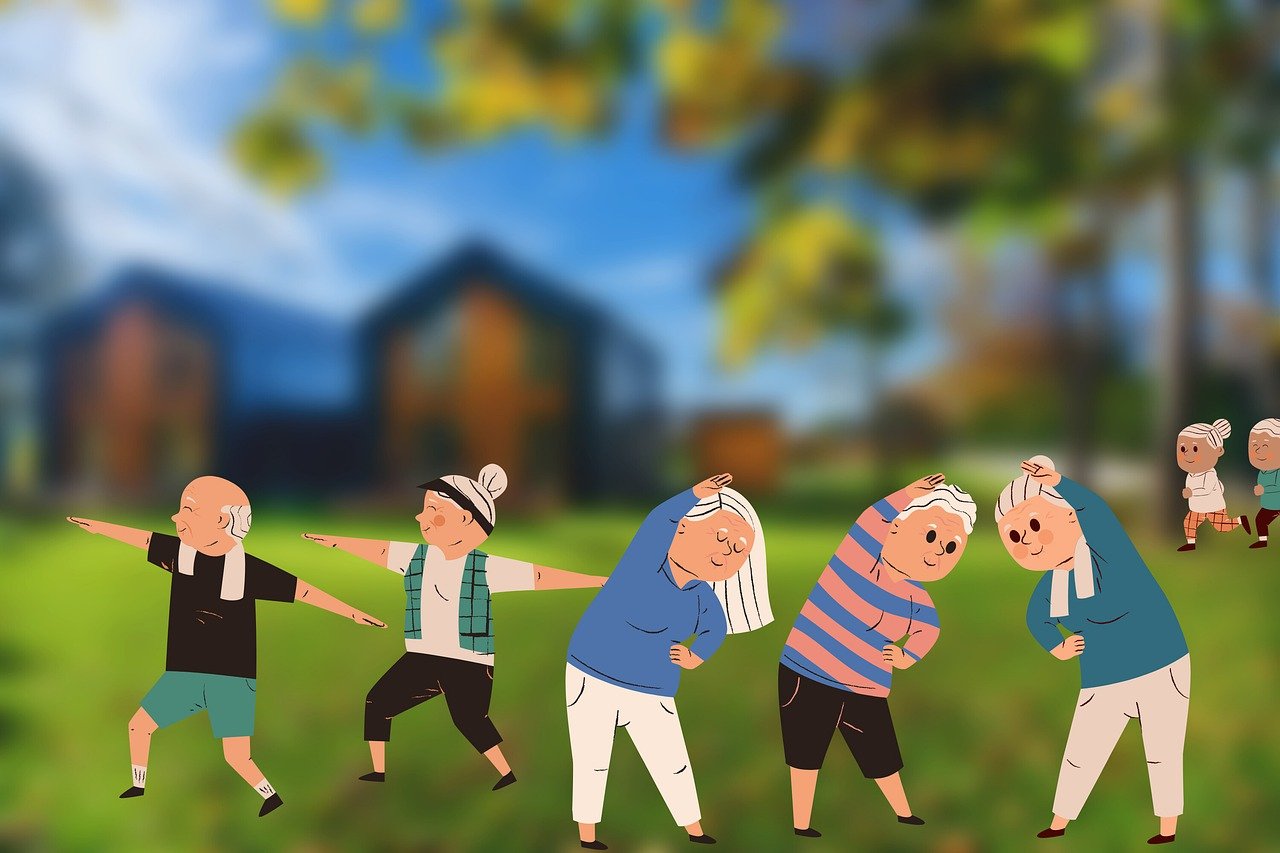
Building community through fitness programs is essential for seniors. The interaction gained through participating in group exercises allows seniors to strengthen their bonds with one another. Friendship formed in fitness settings can elevate the experience of working out, making it more enjoyable. Moreover, community support can lead to friendships outside of exercise activities, expanding social circles. These connections discourage feelings of isolation, which are prevalent among the elderly. Many seniors report feeling a renewed sense of purpose by having others alongside them. Opportunities for social interaction during fitness classes can also enhance emotional health. Seniors tend to enjoy sharing stories about their fitness journeys, further strengthening their community ties. This encouragement prompts individuals to celebrate their successes and remains dedicated to their goals. Additionally, communities that incorporate engaging discussions about health topics can empower participants. Workshops and informational sessions on nutrition and wellness can complement physical activities, broadening knowledge and improving lifestyles. Regular community gatherings ensure that consistency remains at the forefront. Such connectivity fosters an environment that stimulates accountability and engagement, leading to healthier habits overall. Establishing group norms can help participants uniformly agree on shared fitness objectives for sustained achievements.
Accountability in senior fitness programs can drastically influence outcomes. When individuals feel accountable to a group, their commitment to exercise typically increases. In this realm, mutual responsibility plays a crucial role. Wellness and fitness goals may seem daunting, but group settings help break them down into manageable segments. When participants report their progress to each other, the chances of staying on track rise significantly. Additionally, seniors can hold each other responsible during workouts. This structure can correct poor exercise habits and steer individuals toward safer workout practices. Constructively challenging one another leads to a healthy competition that encourages motivation. Such dynamics frequently result in participants pushing their limits within a safe environment. Furthermore, successful accountability fosters improvements in self-confidence. Patients may notice changes not just physically but aesthetically and emotionally. Connecting with peers while working towards common goals solidifies individuals’ dedication to maintaining a fitness journey. By sharing challenges and triumphs, seniors create a unique support system. Also, collective experiences often lead to the development of custom workout plans tailored to group needs. These personalized strategies enhance effectiveness while maintaining enjoyment throughout the fitness process.
Creating Structured Support Systems
Structuring support systems in fitness programs serves as a blueprint for fostering long-lasting accountability. Personalized intervention is key to ensuring that every participant feels included and valued. First, the implementation of buddy systems can be highly effective. Each senior can partner with another participant to facilitate regular meet-ups and motivation exchanges. This one-on-one support enables participants to share experiences and feelings in a safe environment. Moreover, regular check-ins can be organized to reinforce commitment further. Weekly or bi-weekly meetings allow groups to celebrate progress and adjust goals collaboratively. Setting achievable benchmarks along the way can create a sense of accomplishment. Additionally, providing workshops and seminars tailored to the interests of the group is beneficial. When programs cater to the specific needs of seniors, engagement naturally increases. Moreover, these educational components can bring awareness to various aspects of health and fitness management. Gradually, seniors build confidence in their fitness knowledge while working as a unified body of support. This empowerment leads to fostering commitment not only to individual goals but also to the shared ambitions of their community. Such systems can ultimately reinforce the significance of unity through fitness.
Incorporating technology into senior fitness programs can boost peer support and accountability. Many seniors are becoming familiar with digital tools that can facilitate their fitness journeys. Online platforms for scheduling workouts, creating group chats, or developing nutrition plans can be exceptionally beneficial. These resources provide additional avenues for social interaction. Furthermore, wearable devices and fitness apps can help track individual progress in real-time. The ability to share achievements online encourages further engagement and fosters friendly competition. Some fitness programs even have online community boards to exchange tips, success stories, and encouragement. By developing an online community, the physical barriers often encountered by seniors are effectively minimized. Regular online interactions can maintain motivation anytime, anywhere. With technology, seniors can easily reach their accountability partners to share insights or seek assistance. Video workouts and group classes held virtually can supplement in-person activities. This hybrid approach ensures that everyone has a fitness option regardless of circumstances. In the end, embracing technology in fitness programs enables seniors to stay connected, empowered, and fully engaged in their health journeys.
Feedback from participants is crucial for developing effective senior fitness programs. Gathering insights and opinions helps identify what factors positively or negatively affect attendees. Regularly soliciting input allows program designers to adjust activities to align with participants’ needs and preferences. Open communication fosters a feeling of community ownership as participants begin to feel valued. Knowing their feedback leads to real improvements enhances commitment to the program. Similarly, including feedback sessions as part of group gatherings can encourage ongoing dialogue about challenges and successes. Such transparency can lead to better accountability dynamics among peers. Participants may feel more compelled to commit to workouts when they know their voices influence the program’s direction. Additionally, constructive feedback loops can inspire healthy competition among community members. Tracking progress together, sharing experiences, and discussing goals ensures that everyone is holistically invested. Administration should undoubtedly acknowledge individual success stories, both large and small. When an individual achieves a goal or overcomes a hurdle, the community should celebrate together. This collective recognition reinforces the value of shared accountability. Ultimately, fostering an environment grounded in feedback reinforces participants’ dedication to their fitness and promotes ongoing interaction.
Conclusion
In summary, peer support and accountability in senior fitness programs are indispensable for impressive outcomes. Integrating community-oriented strategies into exercise planning leads to exceptional health transformations for participants. Accountability can stimulate healthy habits and foster joy in exercising together. Peer connections, experiences, and encouragement create a nourishing environment where individuals thrive. As seniors come together to support each other, the obstacles that frequently deter them from fitness diminish considerably. Building these programs requires thoughtful planning, clear communication, and the acknowledgment of participants’ feedback as fundamental elements. Moreover, enhancing community significance through social interactions makes it easier for seniors to sustain commitment over time. The development of structured systems helps deploy effective accountability models while fostering connection. Embracing technology can further enable peer support, making it accessible and engaging for senior participants. These elements collectively ensure sustainable involvement in fitness. As seniors find strength alongside one another, a sense of belonging flourishes. They not only achieve physical fitness goals but also nurture emotional and mental well-being as a united group. Ultimately, peer support lays the essential foundation upon which successful senior fitness practices thrive.
It’s crucial that fitness facilitators understand these dynamics while creating programs catered to seniors’ unique needs and challenges. By prioritizing elements of peer support and accountability, facilitators establish environments where seniors can flourish. The combination of social connections, structured systems, and technology helps maintain the necessary ingredients for success in fitness journeys. Building trust and camaraderie within programs cultivates a supportive network. Furthermore, by ensuring participants feel empowered through every step, there is a substantial increase in achieving one’s overall health goals. The journey toward wellness is redefined when individuals feel validated and encouraged. Thereby, as communities develop enriching fitness environments, the impact on the health and wellness of seniors becomes truly profound. Fitness programs infused with peer support and accountability are not merely beneficial but fundamentally essential. The role of positive interpersonal relationships cannot be diminished; they inherently influence seniors’ motivation and results. Facilitators must continue integrating these principles to ensure sustainable participation. Ultimately, the essence of achieving successful outcomes in senior fitness programs lies in the collective perseverance of the community, fostering strength, inspiration, and resilience. Programs that embrace this transformational approach stand to significantly impact the lives of seniors.