
Integrating Cycling with Marathon Training: A Guide to Endurance Synergy
Combining cycling with marathon training can significantly enhance your endurance capabilities. While marathon running focuses on endurance over long distances, cycling adds a different kind of muscle engagement and cardio intensity that balances out marathon training. Incorporating cycling into your routine allows for cross-training benefits, such as improved leg strength, reduced impact stress on joints, and increased overall aerobic capacity. Additionally, cycling sessions help maintain fitness while reducing the risk of injury associated with overuse during long runs. Both activities are important for building stamina, which is crucial in preparing for a marathon. To start, plan a cycling schedule that complements your running days, ensuring you remain focused on both disciplines without overtraining. For example, you could execute long runs on weekends while performing shorter, high-intensity cycling workouts during the week. This dual approach can help you break through training plateaus occasionally experienced during intense marathon preparation cycles.
Benefits of Cycling for Runners
Cycling provides numerous benefits for marathon runners, making it an essential addition to any training schedule. Firstly, it allows you to engage different muscle groups while still getting your cardiovascular workout. The varying intensity levels in cycling promote better muscle flexibility and reduce the wear-and-tear that occurs from constant running. Furthermore, cycling has a lower injury risk due to its non-weight bearing nature, translating well into supporting recovery from running-intensive training. By incorporating cycling, you can sustain your cardiovascular fitness levels even when running volumes become too intense. As you cycle, you’re allowed more energy focused on efficiency, ultimately benefiting your overall performance. Additionally, cycling strengthens the hip flexors, core, and quads, which are necessary for effective running mechanics, leading to improved running posture. Structured cycling workouts can include intervals or long rides focused on endurance, easily adjustable to match your fitness progression. Therefore, when you integrate cycling with traditional marathon training, you’re preparing your body for the unique challenges presented on race day.
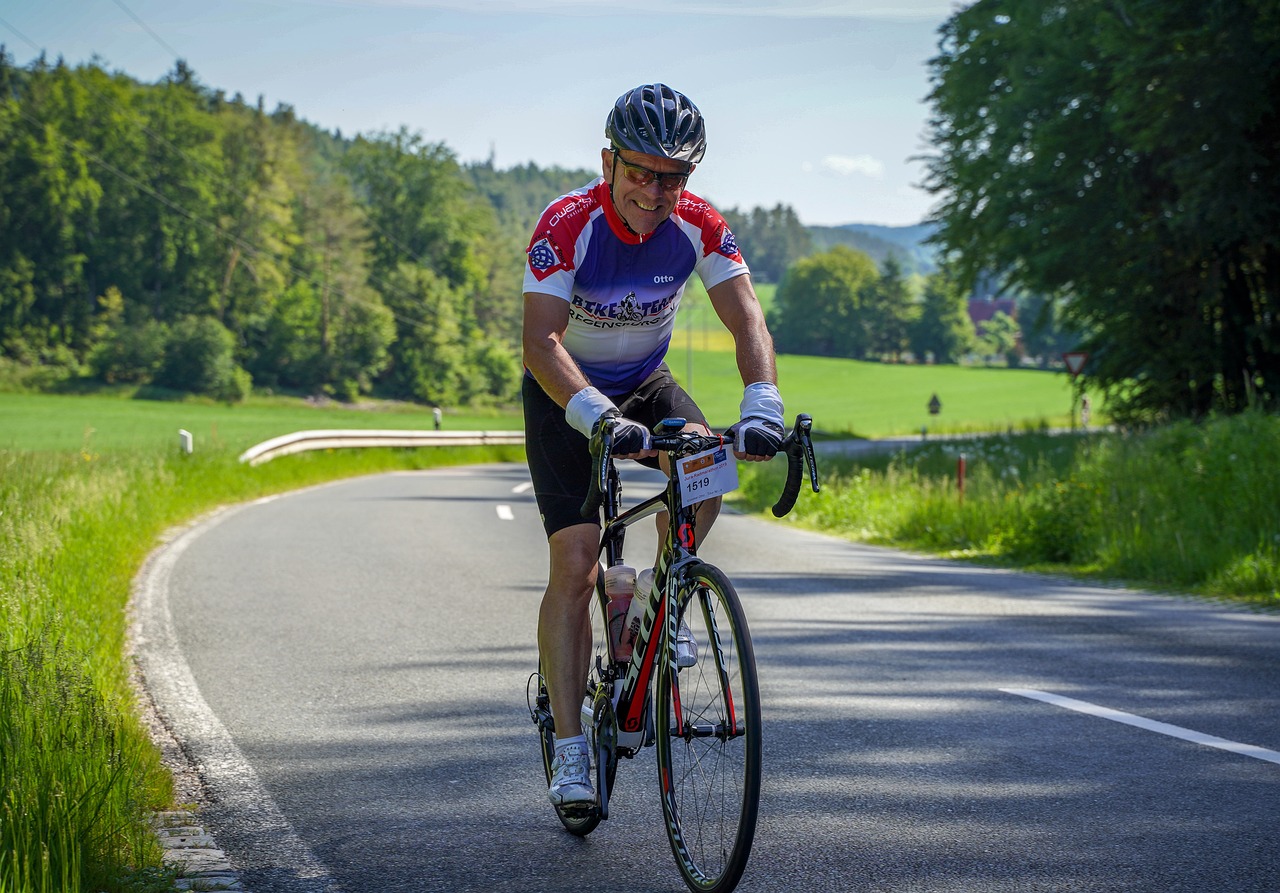
Creating an effective cycling schedule requires balancing your running workouts while gradually building in cycling. Start with shorter cycles that range from 30 to 60 minutes, focusing on maintaining a moderate pace. As your fitness improves, adjust the intensity and duration of these rides, potentially reaching up to 2-3 hours for long rides by race preparation time. For effective integration into your marathon training program, consider focusing on specific type workouts, such as recovery rides after long runs, tempo rides for threshold training, and interval sessions to build speed. To ensure optimal performance across both disciplines, allow adequate recovery time and listen to your body. Maintaining a running and cycling log can help track progress and identify any adjustments to your training plan over time. Always ensure adequate hydration and nutrition are attended to during cycling, as it will directly influence your running. Through carefully crafted home or gym cycling workouts, you’ll continuously adapt to the dual demands each discipline places on your body. This integrated approach forms a well-rounded athlete prepared to tackle marathon distances with greater stamina.
Nutrition for Dual Training
Marathon trainers who incorporate cycling must tailor their nutrition to support energy needs and recovery across both activities. A balanced diet rich in carbohydrates is essential in providing the fuel needed for extended training sessions. Carbohydrates are the primary energy source for endurance activities, ensuring your glycogen stores remain filled. Also, protein intake should be adequate to support muscle recovery and rebuilding from daily workouts. Aim for high-quality protein sources, such as lean meats, fish, dairy, legumes, and nuts. Healthy fats from avocados, fish, and seeds are equally vital for long-lasting energy. Consuming pre-ride snacks, such as bananas or energy bars, can help you prepare for cycling workouts. Post-cycling, replenishing with electrolytes and protein shakes can facilitate quicker recovery. Additionally, pay attention to timing meals around your workouts; proper fueling ahead of sessions will enhance performance, whereas timely post-workout nutrition aids muscle repair. Hydration plays a critical role in any endurance training. Maintaining hydration levels is key when mixing cycling and running, so drink plenty of water accordingly before, during, and after workouts.
Listening to your body is crucial in balancing marathon training and cycling. Fatigue can build when integrating new forms of training, as distance running and cycling can both place considerable stress on muscles and joints. Be mindful of signs of overtraining, including persistent fatigue, loss of motivation, or injuries. These symptoms might indicate the need for adjusting your routines or taking additional recovery days. Include rest days to allow your body time to recharge and repair. Following a flexible training schedule can help accommodate these needs, ensuring workouts remain productive and manageable. To optimize performance, consider cross-training methods, such as swimming, that allow further recovery while maintaining cardiovascular strength. Establishing a support system, whether through local running clubs or cycling groups, can provide motivation and accountability. Sharing experiences with those who train simultaneously for marathons and cycling events can provide valuable insights. Incorporating cross-training strategies aims to create an adaptable mindset towards training, allowing adjustment as necessary while remaining committed to enhancing overall distance performance and endurance.
Monitoring Progress
Monitoring your progress is essential to understanding the effectiveness of your integrated training regimen. Regular assessments of both cycling and running performances can provide insights into strengths and weaknesses, guiding subsequent training adjustments. Techniques for monitoring progress include keeping detailed training logs, tracking heart rates, power outputs, pace statistics, and perceived exertion levels. Using fitness trackers, cycling power meters, or smartphone apps can help compile this data efficiently. Goal setting is a powerful motivator when tracking progress; whether aiming for a specific cycling distance or marathon time, defining these goals keeps you accountable. Regularly review and adjust goals as needed; assessing what is working or what may require changes ensures you remain on track throughout the training cycle. Additionally, perform fitness tests every few weeks, comparing results to see improvements over time. The integration of data collection not only enhances motivation but also fortifies progression toward developing fitness and endurance. Remember to celebrate milestones along your training journey, establishing a positive and hopeful pathway leading up to race day.
As race day approaches, strategically tapering your activity levels becomes essential in optimizing performance. The tapering phase, generally occurring in the last few weeks before a marathon, helps in maintaining fitness while allowing muscle recovery and glycogen replenishment. When utilizing cycling as a supportive training method, reduce cycling volume alongside your running workouts to schedule adequate recovery. Consider adjusting your cycling to focus on shorter, easier rides that maintain your fitness without fatigue accumulation. The incorporation of light cross-training activities during the tapering phase aids in maintaining limberness and flexibility, ultimately enhancing race day performance. Prioritize uninterrupted sleep and balanced nutrition to prepare your body adequately for the marathon. Staying mentally prepared is equally important, as visualization techniques can help set a positive mindset leading into race day. On marathon day, leverage your cycling experiences, harnessing your endurance training to maintain a steady pace. Ultimately, integrating cycling with marathon training creates symptomatic benefits, enduring synergy, and an enhanced overall racing experience.