
How to Support a Teen With an Eating Disorder
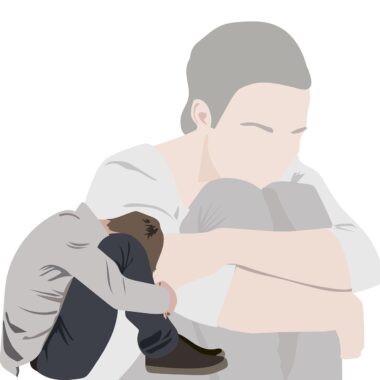
Supporting a teenager with an eating disorder requires understanding, patience, and a proactive approach. It often involves recognizing the emotional and physical signs indicating that your teen might be struggling. Symptoms may include significant changes in weight, secretive eating behavior, or preoccupation with food and body image. Ensuring that you create an open and safe space for communication without judgment is essential. Many teens fear that discussing their feelings could lead to further scrutiny or lack of support, so it’s crucial to openly acknowledge their struggles. Consider leaning on educational resources such as support groups or professional mental health services. Educating yourself about eating disorders can provide you with insights into their challenges, enabling you to offer more effective assistance. When talking to your teen, emphasize empathy and concern rather than criticism. Let them know you care about their well-being. Involving other supportive figures, like family or friends, can also foster a stronger support system. As you navigate this journey, it’s vital to instill a sense of hope and healing while encouraging professional help if needed. Remember, your presence can make a significant difference in their recovery journey.
When it comes to dealing with adolescent eating disorders, identifying the appropriate professionals is critical. Consulting with a pediatrician, dietitian, or licensed therapist specializing in eating disorders can aid in effective recovery for your teen. It is essential to understand that treatment can often include a combination of nutritional guidance, psychological counseling, and medical monitoring. A registered dietitian can help your teen navigate healthy eating patterns while addressing any disordered thoughts. Psychological support can involve cognitive-behavioral therapy or other forms that assist in reshaping damaging beliefs and behaviors. Meanwhile, medical professionals will monitor physical health throughout treatment to ensure safety. Engaging in open conversations with these professionals can foster a collaborative treatment plan tailored to your teenager’s needs. Assessing progress should not only focus on weight but also consider emotional well-being and healthy habits. Documenting your teen’s victories, both small and big, is vital. This encourages them and reinforces positive behavior. Foster connections between your teen and their support team by facilitating regular appointments and providing logistical support. Active involvement in their healthy choices can create a sense of stability and reassurance that they are not alone in this journey.
Creating a Supportive Home Environment
Establishing a nurturing home environment is vital in supporting a teenager with an eating disorder. This atmosphere should be free from negative comments about food or body image. Thus, avoiding weight-related discussions at home can promote a healthier relationship with food. Instead, focus on encouraging a balanced diet that includes a variety of foods without labeling them as ‘good’ or ‘bad.’ Involving your teen in meal planning and grocery shopping gives them a sense of control and responsibility over their food choices. Ensure family meals are a shared, positive experience where everyone can bond. This quality time can strengthen family ties and alleviate feelings of isolation. Promote physical activity by emphasizing its health benefits rather than solely its weight control aspects. Activities should encourage fun and participation without competitive stress. You might explore gentle activities together such as family walks or yoga sessions. Lastly, reinforcing the idea that it is acceptable to seek help and express feelings openly cultivates an atmosphere of trust. Reassure your teen that support is available, and normalize discussions around mental health within your family context. Ample trust and support facilitate healing and recovery.
Understanding the triggers that might contribute to your teen’s eating disorder is crucial for providing effective support. Triggers might include social pressures, academic stress, or family dynamics. Noticing these potential causes allows you to tackle them head-on, creating strategies to mitigate their impacts. It’s vital to engage your teen in conversations regarding their feelings and experiences. Encourage them to identify their triggers and express how they affect their emotions and behaviors. Sometimes, writing in a journal can help them articulate their thoughts more freely. Open dialogues help validate their feelings, reinforcing that they are not alone. Establishing coping mechanisms is beneficial as well. Encourage practices such as mindfulness, relaxation exercises, or artistic outlets like painting or writing. These activities can foster emotional expression and relief. Remember to celebrate small accomplishments, as they can be motivating and reinforce positive behavior patterns. Provide them with tools to communicate openly about their struggles and encourage visits from family members or friends who uplift them. Remember, while you might not have all the answers, your willingness to learn alongside them can enhance the supportive dynamic as they navigate their recovery journey.
Encouraging Professional Help
While familial support is irreplaceable, professional help is often essential when addressing eating disorders among teenagers. Many adolescents need specialized care to guide them through both psychological and nutritional challenges. Therefore, assisting your teen in acknowledging the need for professional support can be a significant step towards recovery. Educate your teen on the types of professionals available, including therapists, psychologists, counselors, and dietitians. Knowing they have access to experts equipped with knowledge and experience can make them feel more reassured. Help them engage in discussions about starting therapy, exploring treatment options, or attending support groups, where they can connect with peers experiencing similar struggles. Numerous platforms provide listings of professionals specializing in adolescent eating disorders. Research these options together, focusing on developing an approach that integrates both encouragement and practicality. If your teen shows reluctance, consider sharing informative articles or testimonials from others who successfully embraced treatment. Ensure them that seeking help is a sign of strength, not weakness. Advocate for a sense of autonomy in their recovery choices, with you offering unwavering encouragement as they navigate the complexities of professional guidance.
Fostering a connection with your teen during this challenging time is vital. Strong communication helps bridge the gap of understanding between you and your child. Employ active listening techniques to acknowledge their concerns and feelings genuinely. Honest dialogues about their emotions can foster a supportive relationship that alleviates feelings of isolation. It’s important that they feel listened to without invalidation. Share your own experiences, ensuring your teen knows that everyone faces challenges. This humanizes the struggle and may encourage them to open up more. Participate in their interests, even if it’s challenging; showing dedication to understanding their world can strengthen your bond. Being present at their events or simply asking them about their day or hobbies can exhibit care and thoughtfulness. Moreover, it displays that you are invested in their well-being. Interactions don’t always have to revolve around their eating disorder; balance in your relationship creates relief and fosters healing. Another tactic involves promoting social connections outside the home. Encouraging friendships with those who foster positivity can benefit your teen significantly. Ultimately, an engaged and present parental figure greatly influences recovery and emotional health, leading to a brighter path forward.
Being Patient and Understanding
Patience and understanding are essential during the recovery process for teens battling eating disorders. Progress is seldom linear; ups and downs may be experienced. Distressing moments may arise, where frustration or regression occurs, demanding parents’ assurances. It’s vital to approach these situations with compassion and without resentment. Reinforce that recovery takes time, and setbacks are part of the journey, which helps curry their perseverance. Celebrate incremental progress, such as increased food intake or positive self-affirmation, affirming their journey awaits its steps. Provide unwavering support and encouragement without the burden of added expectations. It demonstrates unconditional love regardless of the progress level. Additionally, be observant of emotional fluctuations that may prompt conversations addressing their current feelings. Creating an open door for dialogue allows your teen to feel safe expressing fears or concerns. Gather as a family to practice healthy coping strategies, affirming unity in maintaining balance. Nurturing an atmosphere filled with positivity can shift focus toward strengths rather than weaknesses. Your holistic support can significantly contribute to their recovery. Therefore, remember that minor victories pave the way for healing as your teen navigates this ongoing journey toward health.
Patience and understanding are essential during the recovery process for teens battling eating disorders. Progress is seldom linear; ups and downs may be experienced. Distressing moments may arise, where frustration or regression occurs, demanding parents’ assurances. It’s vital to approach these situations with compassion and without resentment. Reinforce that recovery takes time, and setbacks are part of the journey, which helps curry their perseverance. Celebrate incremental progress, such as increased food intake or positive self-affirmation, affirming their journey awaits its steps. Provide unwavering support and encouragement without the burden of added expectations. It demonstrates unconditional love regardless of the progress level. Additionally, be observant of emotional fluctuations that may prompt conversations addressing their current feelings. Creating an open door for dialogue allows your teen to feel safe expressing fears or concerns. Gather as a family to practice healthy coping strategies, affirming unity in maintaining balance. Nurturing an atmosphere filled with positivity can shift focus toward strengths rather than weaknesses. Your holistic support can significantly contribute to their recovery. Therefore, remember that minor victories pave the way for healing as your teen navigates this ongoing journey toward health.