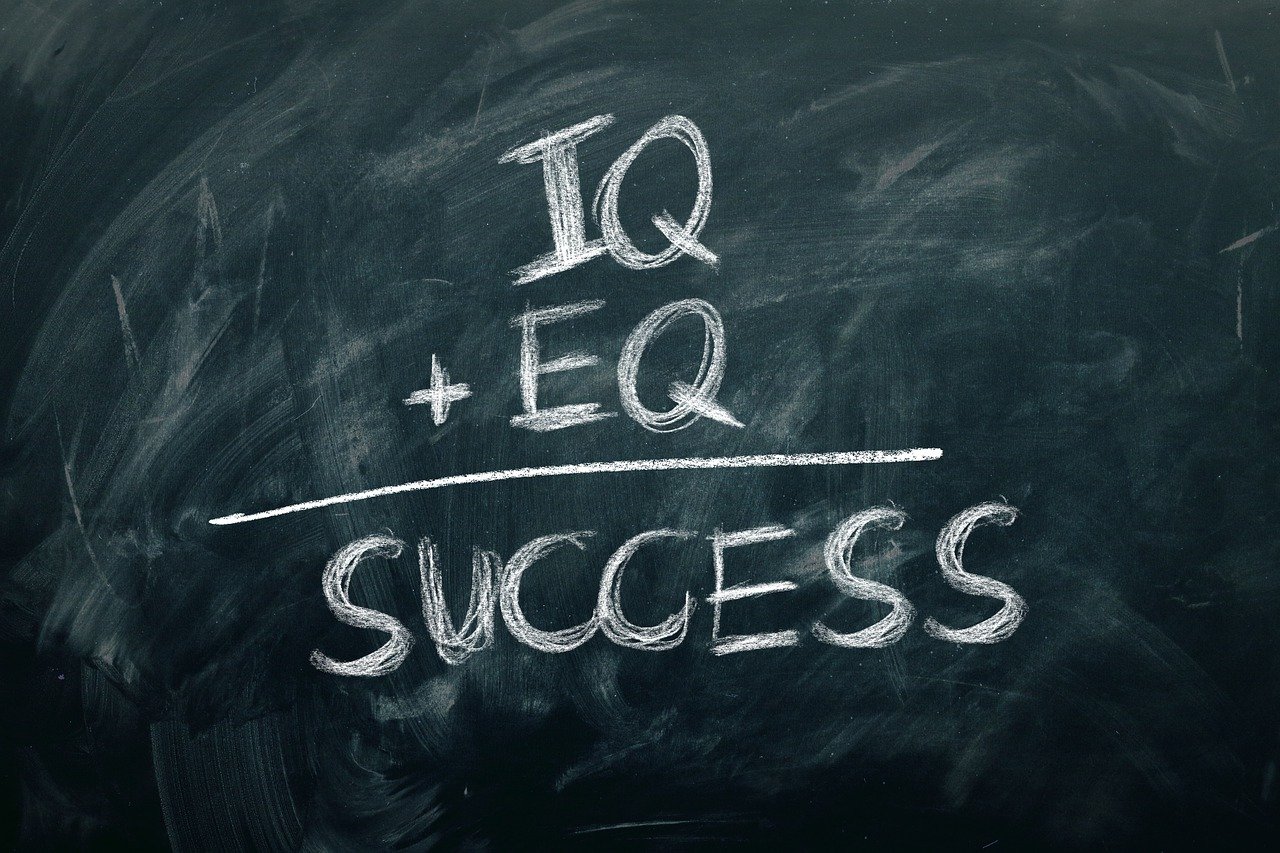

Emotional Intelligence Training for Stress Management
In today’s fast-paced world, stress is becoming increasingly prevalent, impacting both personal lives and professional productivity. Addressing stress is essential for our overall well-being, and developing emotional intelligence (EI) plays a critical role in managing stress effectively. Emotional intelligence involves recognizing, understanding, and managing our own emotions while also understanding the emotions of others. This approach not only helps individuals respond to stressors in a healthier way but also fosters better relationships. On a personal level, individuals equipped with high emotional intelligence can identify stress triggers and create coping strategies tailored to their needs. Organizations can also benefit from EI training, as employees with enhanced emotional responsiveness can better manage workplace stress. In this manner, promoting EI training becomes a win-win solution for both individuals and organizations. Workshops that focus on building emotional awareness, empathy, and interpersonal skills can lead to improved stress management techniques. Such training encourages self-reflection and constructive feedback, allowing participants to identify areas for improvement. As a result, emotional intelligence training serves as an effective tool in combating stress, enabling individuals to thrive both personally and professionally.
Stress reduction and emotional intelligence go hand in hand, as one informs the other in many situations. When individuals develop emotional intelligence competencies, they gain the ability to accurately perceive emotions, control impulses, and adapt to changing circumstances. Education in these skills enables participants to navigate through stressful times more gracefully. For example, they learn to recognize when emotions escalate and apply techniques to self-regulate, thus reducing the occurrence of emotional outbursts or stress-induced reactions. Furthermore, cultivating empathy as part of emotional intelligence helps individuals understand and support coworkers and family members experiencing stress. This mutual support creates a more positive environment where challenges are collectively faced. Effective emotional intelligence training includes practical exercises that allow individuals to practice these skills in real-life scenarios. Role-playing and group discussions can help participants explore complex emotional landscapes and apply strategic responses. In fully engaging with EI training, participants often feel empowered to face stress instead of avoiding it. This shift in perspective is invaluable as it transforms stress into an opportunity for growth, resilience, and stronger emotional health.
Key Components of Emotional Intelligence
To effectively utilize emotional intelligence for stress management, understanding its key components is crucial. There are five primary elements commonly associated with emotional intelligence: self-awareness, self-regulation, motivation, empathy, and social skills. Self-awareness involves the ability to perceive your own emotions accurately, recognizing how they influence thoughts and behavior. Self-regulation pertains to managing emotions in a dynamic and constructive manner, allowing individuals to respond thoughtfully rather than react impulsively. Motivation is the inner drive that steers a person toward achievement and maintaining a positive outlook even amid stress. Empathy, on the other hand, is the ability to understand and share the feelings of others. It enhances interpersonal relationships, crucial during stressful interactions. Lastly, social skills encompass a range of interpersonal abilities that facilitate effective communication, conflict resolution, and collaboration. These components function cohesively, providing individuals with a comprehensive framework for navigating stress-filled environments. When individuals can identify and apply each facet in their daily lives, they can develop sophisticated strategies for managing stress and building resilience.
Implementing emotional intelligence training in workplace environments offers numerous advantages. By positively enhancing workplace culture, it leads to increased job satisfaction, reduced employee turnover, and improved teamwork. Employees who participate in EI workshops develop a deeper understanding of their emotional responses and can consequently manage workplace stress with more finesse. These workshops often include dynamic learning activities such as simulations and self-assessments to promote introspection and awareness among participants. Emotional intelligence training cultivates a supportive atmosphere where colleagues can express concerns and experiences freely. This openness fosters enhanced collaboration and stronger professional relationships. Furthermore, organizations benefit from healthier employees who are less prone to stress-related illnesses, contributing positively to productivity levels. To maximize benefits, organizations should ensure that EI training is tailored to their specific work culture and challenges. Leaders play a vital role in modeling emotional intelligence behaviors, thus creating a ripple effect throughout the organization. As emotional intelligence becomes embedded within the organizational fabric, the collective capability to manage stress increases, driving sustained performance and employee engagement.
Strategies for Developing Emotional Intelligence
Now that we understand the importance of emotional intelligence in stress management, it is vital to explore effective strategies for developing these skills. One of the most impactful methods is through regular self-reflection and mindfulness practices. Engaging in activities such as journaling allows individuals to articulate their feelings and observations, strengthening self-awareness. Additionally, maintaining a mindfulness practice can help increase emotional regulation by enabling individuals to stay present and calm during stressful moments. Actively seeking feedback from trusted friends or colleagues can also enhance emotional intelligence. Constructive feedback helps identify blind spots in emotional perception and response, aiding continuous improvement. Furthermore, engaging in active listening during conversations fosters empathy and social skills, allowing individuals to connect more deeply with others. Participating in group activities or team-building exercises can also promote social awareness and collaboration. Overall, it is essential to remain open to growth and learning, as emotional intelligence is not a fixed trait but a skill set that can be cultivated. Developing these strategies will substantially enhance individuals’ effectiveness in managing stress.
In addition to personal development strategies, organizations can implement programs that support emotional intelligence development among employees. These initiatives often involve workshops, training sessions, mentoring, and providing access to resources related to emotional intelligence. Organizations can set up an emotional intelligence task force comprising representatives from different departments to champion trainings and monitor progress. Facilitating regular discussions on stress management can create awareness and provide employees with opportunities to share their experiences and coping mechanisms. Some companies also incorporate EI training into their onboarding process, ensuring that emotional intelligence is valued from the outset. Moreover, promoting policies that prioritize mental health and emotional wellness in the workplace contributes significantly to stress reduction. Employees will feel more empowered to address their emotional needs, leading to a healthier work-life balance. Organizations should encourage practices such as flexible working arrangements or wellness programs that consider the emotional aspects of work. By providing a supportive environment, organizations can cultivate emotionally intelligent workplaces that thrive on collaboration and resilience, ultimately leading to successful stress management.
Final Thoughts on Emotional Intelligence and Stress
In conclusion, emotional intelligence is an essential skill set that significantly affects how individuals manage stress in their lives. The link between emotional intelligence and stress management is evident, as higher EI levels enable individuals to navigate emotional disturbances more effectively. Emotional intelligence training provides a roadmap for recognizing and addressing one’s emotions while enhancing interpersonal relationships. Individuals can develop practical coping strategies through training, allowing them to thrive even in challenging situations. Additionally, organizations can greatly benefit from fostering emotionally intelligent environments, which enhance employee morale and productivity. Training sessions dedicated to emotional intelligence bring together employees to learn and grow, contributing to collective well-being and resilience. The process of building emotional intelligence is ongoing, requiring dedication and practice both personally and organizationally. In recognizing and implementing emotional intelligence strategies, individuals can face stress with empowered confidence and ultimately flourish. By embracing the principles of emotional intelligence, we make significant strides toward better emotional health and stress management and pave the way toward personal and professional fulfillment.
Furthermore, it’s important to acknowledge that there’s no one-size-fits-all approach to emotional intelligence. Each individual’s journey in developing these skills is unique and influenced by various factors, including personal experiences, upbringing, and cultural influences. This complexity makes emotional intelligence an intriguing area of study and practice. It is essential to remain patient and persistent while developing these skills, as mastery takes time. Individuals should regularly review their progress and make adjustments to their strategies as necessary. Emotional intelligence is a continuum, and recognizing where one stands on this continuum can help identify areas of focus for further development. Support from peers and mentors can enhance the learning process significantly. Informal conversations with colleagues about emotional experiences can provide insights that strengthen comprehension of emotional dynamics within teams. Lastly, individuals should celebrate their growth in emotional intelligence, no matter how small. Recognizing improvements fosters motivation and encourages continued learning. By cultivating emotional intelligence within ourselves and in our environments, we build a foundation for healthier stress management. As we navigate through life challenges, being emotionally aware equips us with invaluable tools to cope effectively.