
Combining Antioxidants with Other Nutrients for Optimal Sports Nutrition
In the realm of sports nutrition, understanding the role of antioxidants is essential for athletes. Antioxidants help mitigate oxidative stress generated during intense physical activity. By neutralizing free radicals, antioxidants assist in reducing muscle fatigue and soreness, enhancing overall performance. Common antioxidants include vitamins C and E, beta-carotene, and selenium, each contributing unique benefits to the body. These nutrients work collaboratively within the body’s systems, fostering recovery and adaptation after strenuous workouts. To optimize their effects, athletes should consider pairing antioxidants with other crucial nutrients, such as carbohydrates and proteins. Carbohydrates replenish glycogen stores rapidly after exercise, while proteins are vital for muscle repair. Furthermore, the combination of antioxidants with healthy fats can enhance nutrient absorption, ensuring athletes receive maximum benefits. Proper timing of intake also plays a significant role, with consuming these nutrients around training sessions boosting recovery. Ultimately, combining antioxidants with other essential nutrients not only supports athletes in performance but also enhances their long-term health, resilience, and overall well-being. This holistic approach to sports nutrition is paramount for achieving peak performance and sustaining an active lifestyle.
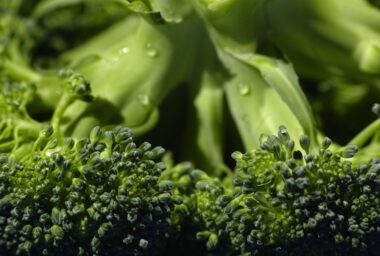
One of the most effective ways to increase antioxidant intake is through a well-balanced diet rich in colorful fruits and vegetables. Foods such as berries, spinach, and sweet potatoes are loaded with antioxidants. These vibrant foods not only offer essential vitamins and minerals but also provide stability in the athlete’s immune system. Incorporating a variety of these foods into daily meals can significantly improve physical outcomes. For instance, consuming blueberries pre- or post-workout can conveniently help reduce inflammation. Similarly, foods such as kale and kale chips can be delicious snacks, providing antioxidants and promoting overall health. Additionally, athletes might explore supplementation options for added support, especially during heavy training seasons. However, it’s vital to consult with a healthcare professional before starting any supplements. They can guide appropriate dosages and combinations tailored to individual needs. Maintaining proper hydration is also crucial, as it aids in the transportation of these nutrients within the body. Proper hydration, coupled with antioxidant-rich foods, helps keep the muscles functioning optimally. Therefore, ensuring that athletes are armed with the right nutrition can foster better training outcomes and improved recovery rates.
The Importance of Vitamin C for Athletes
Vitamin C is one of the strongest antioxidants available, especially valuable in sports nutrition. This vitamin isn’t only a powerful immune booster; it plays several fundamental roles in the body. As a water-soluble vitamin, Vitamin C aids in collagen formation, crucial for maintaining strong connective tissues in athletes. Whether through fruits like oranges or vegetables such as bell peppers, adequate intake will support physical performance. Moreover, Vitamin C’s antioxidant properties can help prevent exercise-induced oxidative stress. During prolonged training, the body produces more free radicals, making it necessary to consume this essential nutrient regularly. Recommendations suggest around 500 mg daily for athletes to optimize their intake effectively. It’s advisable to obtain Vitamin C primarily through dietary sources to ensure that other beneficial compounds are included. Those engaging in rigorous workout regimens should pay attention to their Vitamin C levels, especially when feeling fatigued or run down. Consequently, ensuring optimal Vitamin C levels in athletes’ diets can lead to improved recovery rates, better overall athletic performance, and a well-functioning immune system.
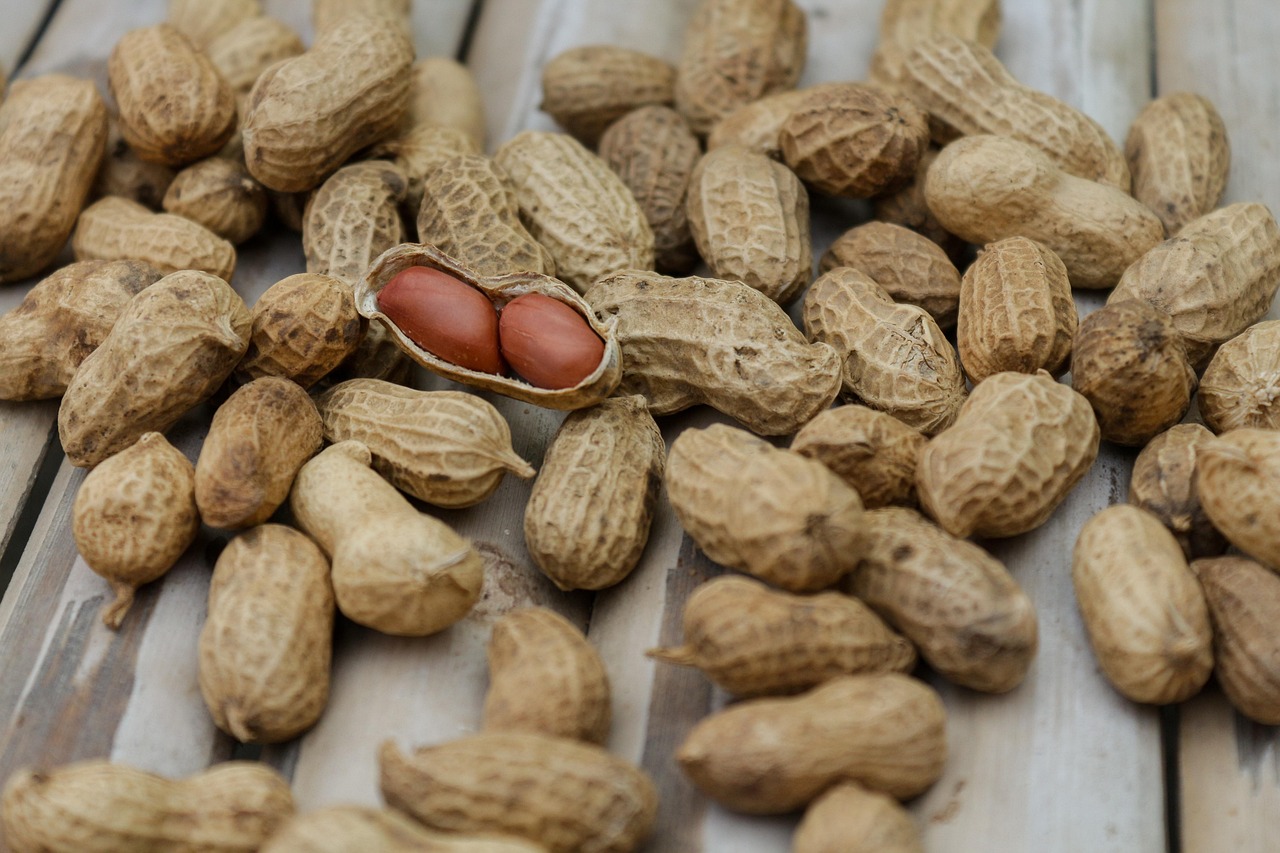
Incorporating Vitamin E into an athlete’s diet can provide additional benefits. This fat-soluble nutrient acts as a potent antioxidant, helping to prevent the oxidation of fats and preserve cellular integrity. Foods such as nuts, seeds, and leafy greens supply Vitamin E, which significantly contributes to overall health. Notably, Vitamin E works synergistically with Vitamin C, enhancing its antioxidant effects, making it essential in sports nutrition. Athletes might particularly benefit from its role in combating oxidative stress during intensive training. Furthermore, maintaining Vitamin E levels can improve blood circulation, ensuring that oxygen and nutrients are adequately delivered to muscles. This aspect is vital during prolonged exercise sessions, as it helps sustain energy and performance. Moreover, Vitamin E has been shown to support muscle recovery, reducing delayed onset muscle soreness after challenging workouts. Athletes should aim for approximately 15 mg of Vitamin E daily, achieved through whole food sources whenever possible. However, supplementation may be beneficial during seasons of heavy training or competitive events, always under professional guidance to avoid excess. Such strategic incorporation can enhance an athlete’s overall performance and resilience.
Integrating Selenium for Enhanced Performance
Selenium is a lesser-known antioxidant with significant potential in sports nutrition, essential for athletes. This mineral plays a crucial role in the body’s antioxidant defense system and enhances overall immune response. Found in foods like Brazil nuts, seafood, and meats, selenium also contributes to thyroid function, which regulates metabolism and energy production. Athletes require optimal energy levels for peak performance, making selenium’s role even more vital. Moreover, it aids in reducing oxidative damage during intense physical activity, which is crucial for maintaining long-term health. Studies indicate that selenium supplementation may enhance both physical performance and recovery among those engaged in high-intensity training. A daily intake of approximately 55 mcg is recommended, which can easily be met with a balanced diet. However, athletes should be cautious with selenium supplementation, as excess can lead to toxicity. Therefore, achieving selenium levels through a diverse dietary approach is advised for optimal health and performance. Ultimately, by integrating selenium into their diets, athletes secure a powerful ally in their quest for performance enhancement and overall well-being, supporting their active lifestyles effectively.
The combination of antioxidants with probiotics and prebiotics is another promising avenue in sports nutrition. Gut health plays an essential role in overall health, influencing digestion, immunity, and nutrient absorption. Probiotics introduce beneficial bacteria, enhancing gut flora diversity. In contrast, prebiotics provide the necessary fuel for these beneficial bacteria, promoting their growth. Foods such as yogurt, kefir, and fermented vegetables are excellent sources. By combining these with antioxidant-rich foods, athletes can further optimize their health. For instance, a smoothie with spinach, berries, and yogurt enriches both nutrients, offering double benefits. Such combinations can help reduce gastrointestinal complications, often faced by athletes engaged in strenuous activities. A healthy gut can enhance nutrient absorption, translating to more energy and improved recovery post-exercise. Additionally, gut health is crucial for maintaining a strong immune system, reducing the risk of illness. Therefore, incorporating probiotic and prebiotic-rich foods emphasizes a holistic approach to sports nutrition. By supporting gut health, athletes position themselves for enhanced performance and resilience, ultimately aiding long-term goals and athletic success.
The Future of Antioxidants in Sports Nutrition
Looking ahead, the landscape of antioxidants in sports nutrition is poised for evolution. As research continues to uncover new insights, professional guidance remains crucial for athletes. Innovative supplements and foods are constantly emerging, improving the ways athletes can enhance their nutrition. Custom-tailored nutrition plans based on individual biome needs can revolutionize athletic performance. Future studies may reveal even more powerful antioxidant combinations, optimizing both recovery and endurance. Personalized supplementation strategies, governed by genetic factors, could yield even better results tailored to individual athletes. However, while advancements are encouraging, athletes should prioritize a balanced diet for optimal health. Whole food sources should still be the foundation of any nutrition regimen, complemented by supplements when necessary and suitable. Monitoring the body’s response to these combinations will also guide best practices in sports nutrition. Thus, the integration of antioxidants with other nutrients stands as a key strategy in achieving peak athletic performance. By embracing ongoing research and adapting to new findings, athletes can navigate their paths toward success and health more effectively.
In conclusion, the combination of antioxidants with other vital nutrients offers a multifaceted approach to sports nutrition. This synergy enhances recovery, performance, and overall health for athletes engaged in rigorous training regimens. Understanding how to effectively leverage antioxidants alongside carbohydrates, proteins, vitamins, and minerals creates a holistic nutritional strategy. By prioritizing a diet rich in whole foods complemented by strategic supplementation, athletes can ensure they meet their nutritional needs. Furthermore, personalized nutrition plans remain crucial to address individual requirements, optimizing performance and health for athletes of all levels. As the body adapts to new training stimuli, integrating antioxidants into the diet can support resilience and ongoing improvements. In fostering a collaborative effort among antioxidants and other nutrients, athletes find a powerful ally in achieving their goals. Future trends in sports nutrition will undoubtedly discover more about the role of these compounds in enhancing performance. Therefore, athletes must embrace evidence-based nutrition as they strive for excellence in their sports pursuits for the best results possible, contributing to long-term health and athletic success.