
Beginner’s Tutorial to Lunges: Improve Balance and Strength
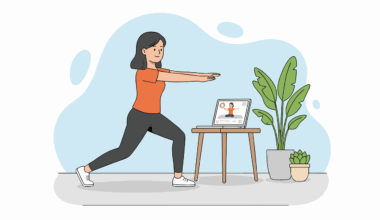
Lunges are a powerful bodyweight exercise that can enhance your overall strength and balance. They primarily work the muscles in your legs and glutes while also engaging your core. This tutorial will provide step-by-step instructions for performing lunges correctly. First, stand with your feet shoulder-width apart and engage your core. Take a step forward with your right leg, lowering your hips until both knees are at about a 90-degree angle. Ensure your front knee stays over your ankle to prevent injury. Keep your back straight and your head up throughout the movement. Once you reach the lowest position, push off your front foot to return to your starting position. After that, repeat the movement with your left leg. To increase the effectiveness, you can try holding weights in each hand. This exercise not only strengthens your legs but also enhances stability, improving balance. Master lunges to better your performance in more advanced exercises as well. Always remember to pace yourself and maintain proper form to avoid injury during practice.
Benefits of Lunges
Lunges offer numerous benefits that make them a staple exercise for anyone looking to improve fitness. They effectively target multiple muscle groups, including your quadriceps, hamstrings, glutes, and calves. By incorporating lunges into your routine, you can develop overall body strength and coordination. Additionally, lunges help enhance flexibility, especially in your hips and legs. This increased flexibility can lead to better range of motion during other exercises. Strengthening the lower body through lunges also helps improve athletic performance, whether you’re running, cycling, or playing sports. Moreover, balancing on one leg during lunges engages your stabilizer muscles, promoting better lower body control. Incorporating this exercise into your regimen can reduce the risk of injury by enhancing muscle balance. Beginners should focus on mastering form first before progressing to advanced variations to reap maximum benefits. You can do different lunge styles like static, walking, or reverse lunges to mix things up and keep your workouts interesting. Always remember to listen to your body and modify your training as necessary to align with your fitness level.
Correct Form for Lunges
Maintaining correct form when performing lunges is crucial for preventing injuries and maximizing the effectiveness of the movement. Begin by standing tall with your feet shoulder-width apart and ensuring your core is engaged. As you step forward, aim to lower your body by bending both knees, keeping your front knee directly above your ankle. Your back knee should hover just above the ground, as this aligns your body properly. It’s important to keep your torso upright and avoid leaning forward, which can strain your back and alter your posture. Control your movement slowly to ensure your knees and ankles are in optimal alignment while avoiding excessive forward motion. When returning to the starting position, push through your front heel, which helps activate the glutes more effectively. Speed and momentum should never replace control, so practice this move with a mirror or against a wall to check posture. Performing lunges barefoot or with minimal footwear may improve foot strength and balance as well. Regular practice focusing on form will lead to robust results over time!
Always remember to warm up adequately before performing lunges. Warming up prevents injuries and prepares your muscles for rigorous activity. You can start with dynamic stretches like leg swings or jumping jacks to raise your heart rate. Dynamic warm-ups enhance blood flow, which is essential for safe and effective workouts. Following your warm-up, gradually incorporate lunges into your routine to allow joints and muscles to adjust. Start with bodyweight lunges before adding resistance or advanced variations. As you become comfortable, increase the difficulty by adding lunges to a circuit or using weights. Consistency is key in building strength and flexibility in your lower body. Track your progress and aim to increase repetitions or sets over time. It can be motivating to follow a schedule or log your milestones. Moreover, ensure adequate rest and recovery between workouts for muscle repair and growth. Adequate hydration and nutrition also play significant roles in optimizing performance. Lunges, as an incredible addition to any routine, can provide an excellent foundation for even more advanced bodyweight exercises.
Common Mistakes to Avoid
While lunges are beneficial, many beginners tend to make common mistakes that can hinder their progress and lead to injuries. One frequent mistake is allowing the front knee to extend beyond the toe, which increases pressure on the knee joint. Instead, always keep your knees aligned with your ankles for optimal support. Another error involves leaning too far forward, which can strain the lower back. To eliminate this, focus on maintaining upright posture throughout the movement. Additionally, many people rush through lunges without maintaining control. Slow, controlled movements engage the target muscles better and reduce injury risk. Skipping warm-up exercises can also be problematic as it makes the body unprepared for intense activity. Always incorporate movement preparation techniques before starting your workout. Not engaging your core is another common issue; a strong core provides stability and helps maintain balance. Lastly, make sure to breathe effectively during the exercise, exhaling when pushing back and inhaling during the descent. Avoid these mistakes to enhance your lunge performance and achieve better workout outcomes effectively.
Variations of Lunges
Once you’ve mastered standard lunges, you may want to explore various lunge modifications to maximize your workouts’ effectiveness. One popular variation is the reverse lunge, where you step backward instead of forward. This modification is gentler on the knees and can be a fantastic option for beginners. You may also try lateral lunges, which involve stepping to the side, engaging different muscle groups and improving lateral stability. Another option is curtsy lunges, where you step diagonally and lower into a curtsy. This engages your inner thighs more intensely, which is beneficial for overall leg development. For a more challenging workout, consider adding weights to your lunges by holding dumbbells or a kettlebell. This additional resistance strengthens muscles and increases calorie burn. You could also perform jumping lunges, which provide a cardiovascular challenge and enhance explosiveness. Always ensure proper form while trying new variations to prevent injuries. Gradually integrate them into your training regimen for added excitement, and make workouts enjoyable and transformative as you progress.
Incorporating lunges into your fitness routine is achievable for beginners and advanced exercisers alike. Ultimately, lunges serve multiple fitness goals, from improving strength to enhancing balance and coordination. As a beginner, familiarity with this exercise can lead to better performance in other demanding workouts. Always focus on executing quality over quantity and surrounding yourself with a supportive environment. You may work with a partner, hire a trainer or join a group class to motivate and guide you. Consider tracking your progress as well; many find keeping a journal helpful for observing improvements over time. Moreover, supplement your lunges with core training, enhancing stability and balance further. Your journey toward improved strength and fitness is filled with challenges and triumphs. Consistency and patience are vital traits in achieving fitness goals effectively. Take time to listen to your body, adjust your routine as necessary, and celebrate your achievements, no matter how small. Health and fitness are lifelong commitments, and lunges serve as a foundational exercise that can support and strengthen your body for years to come.
Rest and recovery are equally important components of any workout routine, especially after intense exercises like lunges. Allowing your muscles to recover can enhance your performance over time and prevent injuries. Implementing rest days allows your body the serious time it might require to heal and adapt after challenging workouts. Adequate hydration and proper nutrition will also sustain muscle recovery and overall fitness. Consuming protein-rich meals post-workout stimulates muscle repair and growth. Moreover, consider incorporating other recovery techniques to relieve soreness, such as foam rolling or stretching. Gentle yoga can also assist in muscle recovery while promoting flexibility. These practices not only help speed up recovery but also encourage body awareness, which is essential in maintaining proper form during lunges. Monitoring how your body responds to various recovery methods is crucial as every individual has different needs. When returning to your workout routine, start slowly and gradually increase intensity. Lastly, don’t forget to listen to your body’s signals; if you feel excessive pain or fatigue, it’s important to consult a fitness professional or medical provider for guidance. Balancing training and recovery is key to long-term fitness success.