
Advanced Balance Techniques for Competitive Athletes
Balance and coordination form the cornerstone of athletic performance, enhancing stability and precision. Athletes frequently overlook these aspects, but a strong emphasis on balancing exercises can yield considerable improvements. Engaging in targeted training enhances not only physical ability but also cognitive function and reaction time. This leads to better competitive outcomes, helping athletes maintain peak performance during high-stakes events. Innovative balance training methods have emerged to support elite athletes seeking an edge over competitors. Incorporating agility ladders, balance boards, and stability balls into workouts has proven effective. Furthermore, dynamic movements combined with functional training amplify the benefits of fundamental balance techniques. Developing intricate motor skills is vital for sports variety, from gymnastics to football. Emphasizing proper form during exercises minimizes the risk of injury while maximizing strength, flexibility, and overall athleticism. By concentrating on balance and coordination, athletes can adapt to various physical challenges. Optimizing these skills directly translates to improved performance results on the field or in the gym. Athletes must acknowledge the value of balance and coordination in their training routines, enriching their athletic experience naturally.
A key component of advanced balance techniques is proprioception, which refers to the body’s ability to sense its position in space. Athletes can perform specific drills to enhance proprioception, ultimately leading to better performance and reduced injury risk. For instance, single-leg stands on unstable surfaces train proprioception and core strength simultaneously. Enhancing proprioception directly improves athletic responsiveness and agility. Engaging in practices such as yoga or tai chi can also foster enhanced balance by encouraging body awareness and mindfulness. Every athlete, regardless of their discipline, can greatly benefit from integrating coordination exercises in their training schedules. Exercises like forward lunges with a twist can improve balance while strengthening multiple muscle groups. Additionally, carrying weights while performing balance exercises adds an extra challenge. Athletes should aim to develop their balance skills progressively, moving from stationary to dynamic exercises. Furthermore, utilizing technology like balance apps helps track progress and motivates improvement. Elite athletes often share their routines to inspire one another, shaping unique strategies to enhance performance. Overall, committing time to proprioceptive training yields valuable results across all levels of sport.
Implementing Balance Training
Incorporating balance training seamlessly into practice regimens is essential for achieving optimal athletic development. Athletes can begin with fundamental exercises, gradually intensifying the difficulty. Starting with basic moves like toe raises and toe walks helps build foundational strength. As proficiency increases, athletes should explore more complex exercises tailored to their needs. Unbalanced environments, like sand or foam surfaces, serve as ideal settings for advanced balance training. Incentivizing athletes to embrace discomfort during practice encourages adaptation and resilience. Visual feedback, such as video analysis, supports objective assessment, further guiding improvement in balance. Practitioners can also train athletes in pairs or groups, fostering a healthy competitive atmosphere where individuals push each other. Monitoring progress should be a priority; maintaining records of performance allows for necessary adjustments in focus areas. Athletes must remain patient throughout their journey, recognizing that balance develops over time. Continuous reassessment and varying training methods ultimately produce desired results. Enlisting the help of certified trainers or physiotherapists ensures exercises remain effective and safe. These professionals can provide invaluable advice to prevent injuries while maximizing performance.
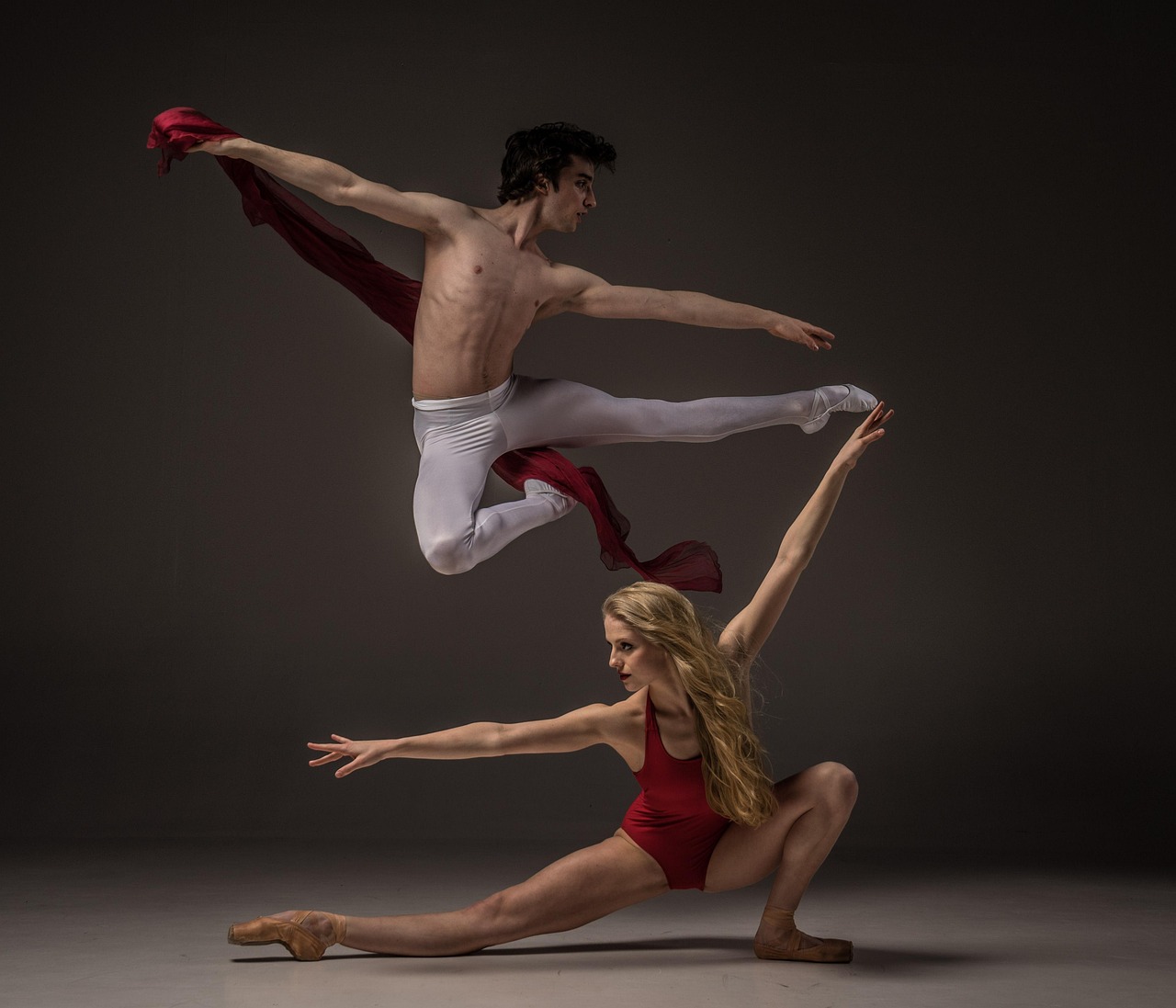
Another crucial element of balance and coordination training is visualization techniques. Mental imagery significantly benefits athletes, simulating success during both practices and competitions. When athletes visualize successful movements, the brain activates similarly to when actually performing them, enhancing overall performance. Regularly engaging in visualization reduces anxiety, boosts confidence, and fosters peak performance on the field. Understanding one’s body and its physical limitations through visualization workshops creates a holistic approach to balance. Incorporating rhythmic movements, using music or beats, helps athletes synchronize their training with the tempo, enhancing coordination. Various sports utilize this method; for instance, dancers naturally develop balance through choreographed motions. Athletes seeking innovative strategies may adopt dance-inspired workout routines to sharpen their techniques. Ultimately, integrating rhythm into practice not only fosters coordination but also boosts motivation and enjoyment during workouts. Athletes who capitalize on the mind-body connection often outperform their counterparts. By actively engaging the mind throughout balance training, athletes create a well-rounded approach to their sport, merging physical ability with mental clarity. The importance of mentality in achieving balance cannot be overstated.
Maintaining Balance in Competition
Fostering balance and coordination remains crucial not just during training but also in competitive environments. Athletes must continue rehearsal of techniques, focusing on habitual motions under pressure. The ability to maintain composure during high-stakes situations directly correlates with performance outcomes. Practicing consistently in varied settings instills confidence, further developing muscle memory. Concentration is key during competition, as distractions can compromise balance and control. Mental strategies, including deep breathing and mindfulness, empower athletes to maintain focus amidst chaos. Regularly performing rituals before competitions, such as a brief warm-up or visualization, prepares the mind and body alike. Additionally, establishing a strong team dynamic contributes to shared support for individual athletes. Communication during competitions can provide reassurance, enhancing overall confidence. Utilizing peer feedback offers valuable insights for improvement, promoting a proactive approach to performance enhancement. The synergy between team members fosters an environment focused on achievement. Acknowledging the importance of positive reinforcement solidifies relationships within teams. Athletes can rely on one another during critical moments, reinforcing their belief in their abilities to execute challenging maneuvers with exceptional balance.
Incorporating nutritional strategies can serve to enhance balance and coordination techniques, as diet plays a pivotal role in athletic performance. Thorough hydration and an adequate intake of nutrients impact muscle function and overall energy levels. Ensuring that the body receives essential vitamins and minerals is crucial for sustaining rigorous training regimens. Emphasizing complex carbohydrates and lean proteins supports energy while aiding muscle recovery. Consuming anti-inflammatory foods can bolster overall balance while alleviating soreness from workouts. Omega-3 fatty acids, found in fish and nuts, have been linked to cognitive enhancement, further benefiting coordination. Athletes should aim for a balanced diet, maintaining optimal fuel levels during training and competitions. Additionally, evaluating meal timing relative to workouts can maximize performance advantages. Consulting with registered dietitians or sports nutritionists allows athletes to tailor their diets, paying attention to individual needs. Preparing healthy snacks for quick energy boosts before rigorous activities ensures sustained performance. By prioritizing nutrition as part of balance and coordination training, athletes extend the benefits of their practices beyond the gym and field.
Conclusion: The Road Ahead
Moving forward, athletes should remain dedicated to enhancing balance and coordination for improved performances. Embracing innovative techniques and integrating them into existing routines ensures continuous growth. Athletes are encouraged to personalize their training regimens, identifying techniques that resonate with their specific needs. As the sports landscape evolves, new methods will arise, providing opportunities for growth. Staying informed about advancements in balance training techniques is essential for gaining a competitive advantage. Additionally, athletes must continuously seek expert guidance, learning from trainers and sports scientists to optimize their methods. Committing time to cross-training or workshops expands skill sets, enriching overall performance. Cultivating resilience through programming that promotes balance establishes a solid foundation for athletic involvement. By prioritizing these techniques, athletes enable themselves to compete at their best while reducing injury risks. A commitment to mastering balance and coordination sets the stage for peak performance, unlocking further potential. Athletes must stay engaged and passionate about their journey, recognizing that continual learning ultimately leads to success in their respective disciplines.
In summary, balance and coordination are indispensable assets to every athlete’s arsenal. From enhancing performance to promoting injury prevention, these skills should never be underestimated. Investing time and effort into developing advanced balance techniques can yield remarkable results, transforming athletes’ capabilities. Prioritizing balance and coordination exercises cultivates long-term benefits and builds overall strength, flexibility, and mental acuity, propelling athletes closer to their goals. Elite athletes understand the enduring value of balance and consistently refine their techniques, ensuring they remain competitive. Engaging in a mixture of physical and mental strategies fosters a comprehensive approach to athletic performance. Athletes must take ownership of their training and embrace an outlook that emphasizes growth and resilience. Fully integrating techniques outlined in this article allows for well-rounded preparation. By prioritizing balance, athletes not only enhance their performance but also create a pathway for lifelong fitness. As athletic competitions become increasingly demanding, the importance of these skills will only continue to rise. Embracing this knowledge equips athletes with the tools necessary for success, shaping their overall experience in the world of competitive sports.