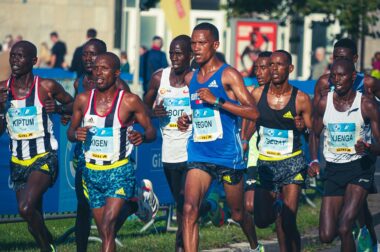

Adjusting Running Form for Different Terrain Types
When training for a marathon, understanding how to adjust your running form for different terrain types can significantly enhance performance and reduce injury risk. Terrain variations such as asphalt, trails, or gravel each present unique demands on your body, necessitating shifts in technique and body mechanics. For instance, embracing proper posture and maintaining a slight forward lean can greatly assist on uphill courses by promoting muscular efficiency. Moreover, as you transition to uneven terrains like trails, employing a lighter foot strike can enhance stability while navigating obstacles. This advice not only aids in maintaining momentum but also encourages a quicker reaction time when encountering unexpected changes in the ground surface. Furthermore, developing adaptability with different foot placements can minimize the impact forces exerted on joints, ensuring long-term performance. Regular outdoor practice on varying surfaces aids in reinforcing these adjustments, enabling runners to become more versatile. Consistency is key, and replicating desired conditions during training can significantly improve familiarity and confidence. In conclusion, adjusting your form across various terrains encourages stronger endurance and reduces the likelihood of injuries.
Understanding Terrain Impact
Recognizing how terrain impacts running performance is vital for every marathoner. Roads are typically flat and stable, which allows for efficient, biomechanical movements. However, transitioning to trails requires embracing more dynamic forms. Uneven surfaces demand a greater range of motion, so consider incorporating exercises that enhance your gross motor skills, balance, and proprioception. Subsequently, the type of shoe chosen plays a significant role in your overall comfort and performance. Trail running shoes, for instance, provide additional grip and support, helping you engage your foot muscles more naturally on varied terrain. Meanwhile, selecting lightweight shoes for asphalt can optimize your speed and encourage quicker strides. Paying attention to cadence is essential, regardless of the surface, as it can help regulate energy consumption, particularly during lengthy runs. Awareness of your breathing pattern is equally crucial for maintaining stamina; deeper breaths may assist with respiratory efficiency during challenging stretches. Ultimately, developing a nuanced insight into terrain implications can deepen your running practice, unleashing new levels in your marathon training as it relates to diverse athletic landscapes.
Runners should also acknowledge how their body reacts to different surfaces during varying weather conditions. Rain-soaked trails or icy paths may require more caution and varied pacing. Practicing on these types of terrains builds confidence and skills for race day challenges. Hills present another level of complexity. When running downhill, it’s crucial to keep your body upright while engaging your core muscles to control your descent. A controlled descent not only protects the knees but also aids in appropriately employing the calves and quads. Practicing uphill can strengthen the same muscle groups while building cardiovascular endurance. Furthermore, adopting a shorter stride when tackling inclines can reduce the strain on your hips and knees while permitting a steadier effort throughout the hill climb. Finding the balance in your pace and foot strike during these segments requires patience, as ongoing training will help hone optimal techniques. Doing specific strength and flexibility exercises focused on these musculatures provides added benefits over time, helping to ensure that all aspects of marathon training are taken into account for performance optimization.
Biomechanics of Running
Understanding the biomechanics of running on various terrains is essential for marathon runners. Key factors include gait, stride length, and cadence, which must be adjusted depending on the surface type. A smoother surface like asphalt allows for longer strides due to its predictability. In contrast, off-road trails typically require shorter, quicker strides, enhancing stability and traction while navigating roots or rocks. Analyzing the angle of your foot strike is also crucial; forefoot strikes can deliver better energy transfer in soft conditions, while heel striking may be more efficient on hard pavements. Shifting your focus to your arm movements is advantageous as well; engaging your arms can help maintain momentum and balance on unstable surfaces. Additionally, it’s vital to pay attention to overall body alignment throughout varying terrains. Misalignment can lead to injuries, particularly when transitioning from one surface type to another. Hence, strengthening core muscles will provide better support during these transitions. The integration of biomechanical principles with individual physiology promotes efficiency and injury prevention, fostering endurance and performance improvement in marathon training.
Preparatory drills are invaluable for improving adaptability across surfaces and preventing potential injuries. Incorporating dynamic warm-ups focusing on mobility and flexibility can facilitate better running mechanics. Techniques such as leg swings, lunges, and arm circles improve blood flow while preparing muscles for the demands of varied terrains. Emphasizing strength training, particularly for the core and legs, cultivates stability and power during running sessions. Strengthening exercises targeting the glutes, hamstrings, and calves can contribute to enhanced performance on inclines and declines. Furthermore, practicing relaxation techniques can bolster mental focus when transitioning between terrain types, allowing a runner to detach from fatigue. Consider using intervals to mix different surfaces in training, observing how shifting adjusts your form. Integrating recovery days for optimal muscle repair is equally crucial in avoiding burnout and mitigating injury likelihood. Continually focusing on proper hydration and nutrition further enhances overall performance while adapting to the various environmental challenges faced during your marathon training journey. Collectively, each of these aspects synergistically contributes to forming a well-rounded and injury-free marathoner capable of managing diverse terrains.
Adapting to Weather Conditions
Weather conditions play a significant role in adjusting your running form. For instance, during hot summer months, it’s crucial to remain conscious of how heat affects your mechanics. Dehydration causes your body to fatigue faster, which may negatively impact your form. Ensuring that you adequately hydrate before your runs and maintaining fluid levels during them will help mitigate fatigue. Conversely, running in cold weather demands additional attention to your body’s warm-up process. Cold muscles are more prone to strains and injuries, so dedicating more time to warm-ups is beneficial. Also, wearing the appropriate gear is essential; opting for moisture-wicking fabric can ensure proper temperature maintenance. Practicing on various terrains during different weather scenarios will prepare you for race day challenges, familiarizing yourself with how to react in differing situations. Emphasizing adjustments to breathing patterns can bolster performance under extreme weather, ensuring enough oxygen intake during workouts. Knowing how to read your body’s reactions in these conditions will be essential. Combining weather awareness with your training program will create a well-rounded marathon prep plan, resulting in competitive race day readiness.
Finally, considering recovery strategies post-run enhances overall performance across terrains. Techniques such as foam rolling, stretching, and massage therapy are essential for muscle recovery and longevity. Integrating these methods helps alleviate tension and soreness caused by the muscular demands of varied surfaces. Additionally, incorporating cross-training strategies fostering cardiovascular and overall strength vastly improves output while reducing the risk of overuse injuries. Engaging in swimming or cycling can provide the aerobic conditioning needed without the same impact on your joints. Allowing for active recovery days also supports optimal performance; this entails performing low-intensity activities to promote circulation without overstressing the body. Nutrition plays an essential role in post-recovery. Consuming a well-balanced meal rich in protein and complex carbs immediately after workouts will replenish energy stores and repair muscles. Finally, keeping a reflective training journal allows runners to assess which techniques are persona and effective for running on different terrains, fine-tuning their approach over time. Collectively, these practices contribute to developing a complete and adaptable training strategy as marathoners work to conquer diverse courses.