
Tracking Progress Over Time with Heart Rate Data in Triathlon Training
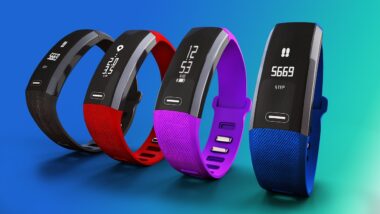
Triathlons are multifaceted sports that require effective training to elevate performance and endurance. Utilizing heart rate monitors has become increasingly popular for athletes aiming to optimize training. Heart rate data plays a critical role in tailoring workouts and understanding one’s physical capabilities. By continuously tracking heart rates, triathletes can evaluate their body’s response to different training intensities over time. This systematic approach helps athletes avoid overstressing their bodies while maximizing gains in speed and endurance. Integrating heart rate data into training regimens allows for tailored plans that are adaptively modified based on real-time feedback. Such data is instrumental in pinpointing the ideal training zones necessary to enhance cardiovascular efficiency. Athletes can further enhance recovery insights by evaluating their heart rates post-exercise, allowing better understanding of their physical recovery states. This leads to allowing athletes to make informed decisions about the next training steps. Utilizing heart rate monitors also fosters accountability, making it easier for coaches and athletes to discuss training strategies effectively. Overall, equipment investments in heart rate monitoring can yield significant dividends in terms of performance and training effectiveness.
Once heart rate data is acquired, it becomes essential to establish training zones. These zones are typically categorized into five distinct heart rate ranges, each serving a unique purpose. Understanding these zones helps triathletes train effectively and maximize their potential. The first zone focuses on very light exercise, excellent for recovery, while the upper zones push the body closer to its anaerobic threshold. Regularly training in various heart rate zones can develop endurance and strength, contributing significantly to triathlon preparation. For triathletes, knowing when to push harder and when to hold back is crucial. Establishing these training zones is accomplished by performing a few simple tests, such as the maximal heart rate test or the lactate threshold test. Once determined, using these zones to guide workouts ensures that training efforts are appropriately aligned with overall goals. For example, a heart rate monitor can guide an athlete on maintaining a pace within a specific zone to build endurance gradually. Over time, the athlete may also notice improvements in their performance metrics, attributable to consistent training within these optimal zones.
Analyzing Trends in Data
Regularly reviewing heart rate data enables triathletes to identify trends and patterns vital for making informed decisions regarding training adjustments. By analyzing heart rate trends, athletes can observe how their heart responds to various workout intensities, improving timing and pacing for races. Monitoring resting heart rates provides invaluable insights regarding overall fitness levels; a decrease over time typically indicates improved cardiovascular efficiency and fitness gains. Moreover, tracking heart rate variability can unveil insights into recovery and stress levels. Triathletes must pay attention to how their bodies recover after intensive training sessions. This analysis allows athletes to refine their training plans accordingly, thus fostering continued development while minimizing injury risk. Data analytics can empower athletes to adapt schedules flexibly, adjusting intensities to match performance capabilities. With each season, athletes can conduct performance reviews based on heartbeat metrics collected during training. These analyses not only notify athletes of physical readiness for competition but also provide practical insights into necessary training adjustments for future sessions.
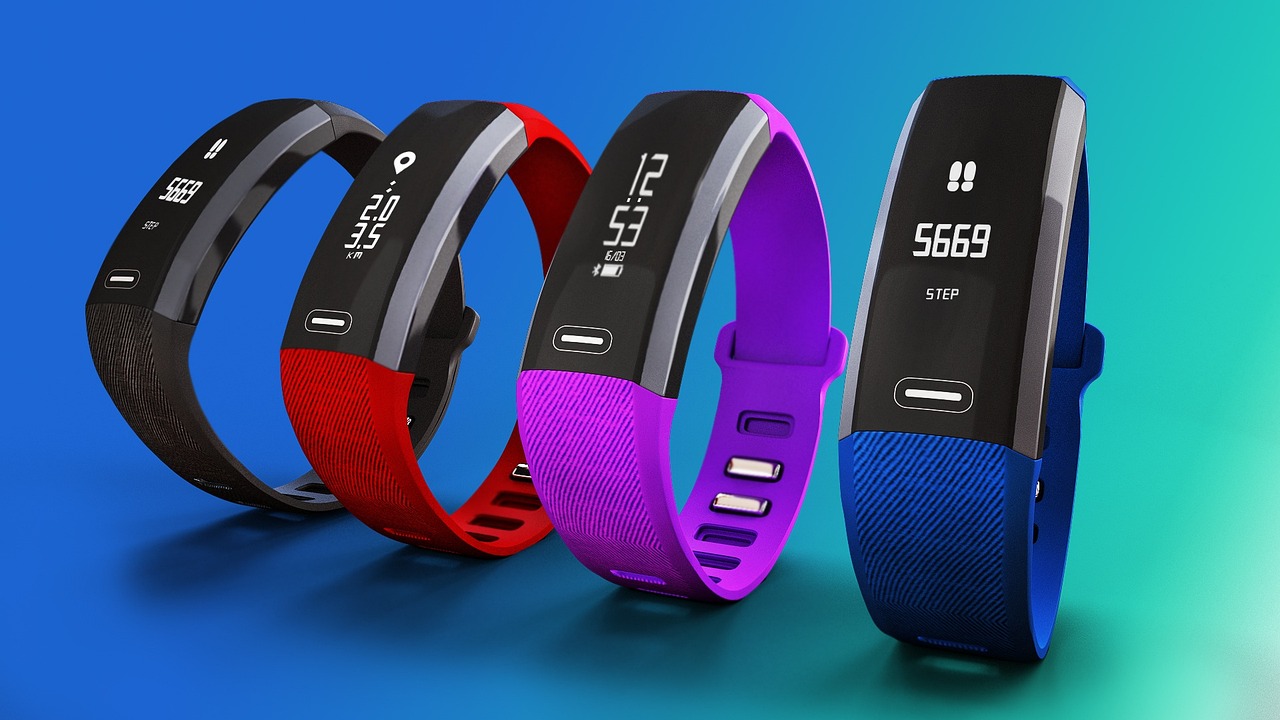
Heart rate monitors can assist triathletes in staying motivated by providing data-driven feedback essential for goal setting. The monitor displays real-time metrics, allowing athletes to adjust their efforts during training sessions effectively. Knowing how hard one is working can serve as an excellent source of motivation that pushes athletes further. Additionally, setting achievable target heart rates creates a sense of attainment throughout the training process. The ability to monitor progress during workouts signifies how successful the training plan becomes in meeting its goals. Athletes can revel in watching improvements unfold over time, reinforcing dedication. These emotional victories become critical aspects of maintaining a positive mindset during grueling training months. Moreover, sharing heart rate data with coaches can foster a collaborative environment where each party engages in open discussions about performance. This teamwork is essential for tweaking training plans ensuring they remain effective. By quantifying success through observable metrics, triathletes can maintain focus and motivation throughout their fitness journeys. The result is sustained enthusiasm towards achieving personal goals, ultimately leading to improved overall race performance.
Preventing Overtraining
One of the significant advantages of tracking heart rate data is the ability to prevent overtraining, a common risk among triathletes. Overtraining can lead to burnout and injury, undermining physical progress. Through constant monitoring, athletes can detect signs of excessive fatigue. If an athlete notices consistently elevated heart rates during training or longer recovery times, it may indicate overtraining. In such scenarios, it becomes vital to plan more recovery time or adjust the training intensity to rejuvenate the body properly. This approach allows athletes to maintain a healthy balance between effort and rest, ensuring they continue to progress without risking injury. Incorporating active rest days and lighter workouts when needed also becomes easier with heart rate data as a reference. Athletes can learn their individual limits, emphasizing self-care that champions long-term success. Listening to these physiological signals becomes paramount for setting sustainable training practices. This understanding permits triathletes to go into races feeling fresh, prepared, and fit, fostering a positive approach to competition. Continued analysis helps refine training strategies that prioritize health while amplifying athleticism over time.
Synchronizing nutrition plans with heart rate data can enhance overall training results even further. Nutrition fuels performance, and understanding heart rate patterns aids in aligning dietary intake with training phases. The body’s response to exercise indicates caloric demands, allowing athletes to adjust food intake accordingly. For instance, after observing elevated heart rates, athletes can implement high-carb meals for replenishment during recovery sessions, fostering quicker muscle recovery. By pairing nutrition with heart rate data, triathletes can refine hydration strategies, ensuring optimal hydration levels support their training. This adjustment prevents fatigue, muscle cramping, and performance decline. Customizing a nutritional plan ensures athletes have the necessary energy to train effectively according to workout intensity. Furthermore, athletes can benefit from engaging with nutritionists or coaches who understand how to connect heart rate metrics with nutritional needs, deepening their understanding of optimal fueling techniques. Therefore, incorporating heart rate data into a well-structured nutrition plan can yield comprehensive improvements, ultimately leading to enhanced performance in triathlons.
Conclusion
Ultimately, leveraging heart rate monitors in triathlon training is essential for monitoring progress over time effectively. Data-driven decisions become available, allowing athletes to understand their performance capabilities and physical well-being. Heart rate data helps identify optimal training zones, assess recovery needs, prevent overtraining, and align nutrition strategies. Continuous tracking fosters motivation, promotes teamwork between athletes and coaches, and supports sustained training. The insights derived from heart rate metrics ultimately empower triathletes to enhance their performance, health, and athletic longevity. As triathletes integrate heart rate monitoring into their training plans, they will notice incremental improvements in fitness and performance metrics measured accurately and reliably. The tools available today allow for informed strategies to elevate competitive edge and maximize potential. The more athletes embrace this technology, the more enriched their training experience becomes, leading to rewarding outcomes in competition. Therefore, investing in heart rate monitoring technology is crucial for success in the challenging yet exhilarating world of triathlons.
With all these advantages, it’s clear that a heart rate monitor is not just a luxury but a vital tool for serious triathletes. Monitoring heart rates may seem a simple endeavor; however, the complexities involved in analyzing the data can lead to profound insights that enhance training efficiency. A structured approach toward utilizing heart rate monitors translates into measurable performances and success in future events. Scaling personal bests becomes more manageable when athletes can rely on accurate and timely data from their workouts. Over time, this consistent practice builds a foundation based on informed decision-making, ultimately indicating that heart rate monitors are pivotal components of triathlon training regimens. Athletes looking to optimize their performance in the sport must certainly consider heart rate monitoring as indispensable. Seeking the right monitor and learning to interpret the data opens doors to invaluable self-awareness and performance enhancement. The landscape of triathlon training has evolved significantly with technology integration; athletes should harness this transformation to realize their full potential and elevate their training endeavors to unprecedented heights.