
The Ultimate Guide to Dumbbell Strength Training at Home
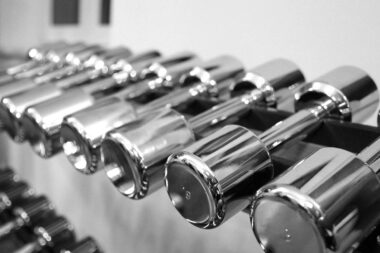
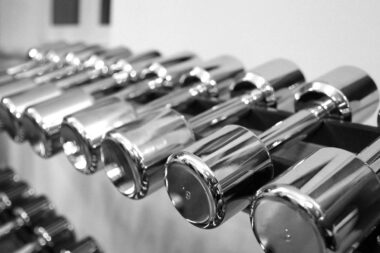
Strength training with dumbbells is a highly versatile and effective method for building muscle and improving overall fitness. Dumbbells offer a range of benefits, including convenience, affordability, and adaptability. They allow for a myriad of exercises targeting different muscle groups, making them suitable for both beginners and advanced athletes. With practice, dumbbell workouts can enhance strength, stability, and coordination. Begin by selecting an appropriate weight that challenges you but still enables you to maintain proper form. Creating a structured workout plan with a balance of different exercises is essential for optimal results. Incorporate both upper and lower body exercises to ensure a well-rounded fitness regimen. Additionally, it is important to warm up properly before every workout session to prevent injuries. Focus on consistency, ensuring you include strength training at least two to three times per week in your routine. This commitment will lead to significant improvements over time. Remember, it’s not just about lifting heavy weights but also about performing each exercise with good technique and control.
To effectively utilize dumbbells for strength training, it is important to incorporate various exercises that work all major muscle groups. Here is a list of some popular dumbbell exercises you can include in your home workout:
- Dumbbell Bench Press: Great for building chest and triceps strength.
- Dumbbell Squats: Excellent for lower body muscle engagement.
- Dumbbell Rows: Ideal for developing back muscles.
- Dumbbell Shoulder Press: Targets the shoulders effectively.
- Dumbbell Deadlifts: Perfect for overall strength and stability.
- Dumbbell Lunges: A solid choice for leg definition and balance.
- Dumbbell Bicep Curls: Specifically targets the biceps for increased size.
- Dumbbell Tricep Extensions: Focuses on the back of the arms for a well-rounded physique.
Combining these exercises into a cohesive workout plan helps target each muscle group efficiently.
Creating Your Dumbbell Workout Routine
When crafting a workout routine centered around dumbbells, it’s essential to establish a framework that caters to your fitness level and goals. Start with a warm-up, consisting of dynamic stretches or light cardio for about five to ten minutes. After the warm-up, choose between two to four sets of each exercise, performing eight to twelve repetitions per set. Adjust the weights accordingly to ensure that the last few reps are challenging but achievable. Incorporating both compound movements, like squats and presses, along with isolation exercises such as curls and extensions, allows for a balanced routine. For maximum effectiveness, consider varying your workouts every few weeks to keep challenging your muscles and prevent plateaus. Additionally, make sure to allow for recovery time between strength training sessions. On days without strength workouts, focus on cardio or flexibility to enhance your overall fitness. Lastly, stay hydrated and maintain proper nutrition to support your training efforts. Incorporating these elements will help you make the most of your dumbbell strength training efforts at home.
Form is paramount in strength training, especially with dumbbells, to prevent injuries and maximize results. Beginners should take the time to understand proper technique before progressing to heavier weights. Focus on executing each movement with controlled actions, keeping your core engaged and body stable throughout each exercise. A helpful strategy is to practice in front of a mirror to monitor your posture and alignment. Whenever you’re unsure about your form, consider seeking guidance from a certified trainer or utilizing instructional videos available online. Over time, as you build confidence and strength, increase the weight gradually. This progressive overload principle is key to promoting muscle growth and adaptation. Listen to your body; if something feels off or painful, adjust your form or weight. Furthermore, consider incorporating flexibility and mobility work into your routine to maintain joint health and range of motion. Stretching post-workout should also be a priority to aid recovery. By maintaining proper form while strength training, you’ll maximize efficiency and work towards achieving your fitness goals without the risk of injury.
Nutritional Considerations for Strength Training
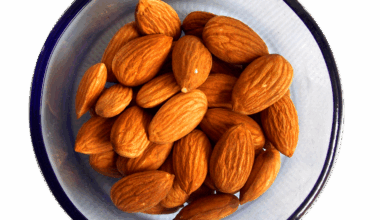
Nutrition plays an integral role in supporting your strength training goals with dumbbells. Consuming a well-balanced diet rich in macronutrients and micronutrients will aid recovery, fuel workouts, and promote muscle growth. Aim for a diet inclusive of lean proteins, healthy fats, and complex carbohydrates. Proteins are crucial for muscle repair and growth, so consider incorporating sources like chicken, fish, legumes, and dairy into your meals. Healthy fats, found in foods such as avocados, nuts, and olive oil, provide essential nutrients and energy. Carbohydrates are equally important, as they serve as the body’s primary energy source, especially during intense workouts. Timing your meals around workouts is vital; try to consume a nutrient-dense meal containing protein and carbs within two hours post-exercise for optimal recovery. Staying hydrated cannot be overlooked, as it helps regulate body temperature and lubricate joints during training. Ultimately, tailoring your nutrition to meet your individual needs will maximize the benefits of your dumbbell strength training routine and help you achieve desired results.
Tracking your progress is crucial in any strength training endeavor, including with dumbbells. Keeping a journal or using fitness apps can help you consistently follow your workouts, monitor your performance, and set achievable goals. Start by documenting the exercises you perform, the weights used, the number of sets and repetitions, and any qualitative feedback regarding how you felt during the workout. Over time, this allows you to recognize patterns, spot improvement areas, and celebrate achievements, whether increasing your weight, completing more reps, or enhancing form. Don’t hesitate to adjust your routine based on your tracked data and goals as they evolve. For some, you might find that you’re progressing well and can add more challenging weights or variations. For others, you may need to revisit your foundational skills and provide more stability training. Additionally, consider joining an online community or local group to share your progress and gather motivation from others. Encouragement from others can lead to more commitment to your strength training goals, enhancing fitness outcomes and overall satisfaction.
Final Tips for Successful Strength Training
Embracing a successful strength training routine with dumbbells at home requires consistency, dedication, and the willingness to adapt your approach as needed. Prioritize consistency by designing a weekly schedule that includes at least two to three strength training sessions, ensuring you have planned for recovery days as well. As you engage in dumbbell workouts, continue to educate yourself with new exercises, variations, and effective techniques. Staying informed empowers you to fine-tune your routine based on emerging knowledge about workouts and nutrition. Furthermore, practice patience; fitness improvements take time, and you must celebrate small victories along the way. Stay motivated by remembering your reasons for beginning this journey, whether it is to improve health, gain strength, or enhance performance. Lastly, don’t shy away from consulting with fitness professionals when needed. Personalized guidance can enhance your techniques and help develop a more tailored workout plan. Remember, strength training is a lifelong journey, and each step taken brings you closer to achieving the body and fitness you aspire to obtain.
In conclusion, strength training with dumbbells at home can be a safe, effective, and empowering process. By utilizing a variety of exercises, tailored routines, and incorporating good nutritional habits, you can unlock the full potential of your fitness journey. Understanding the importance of form, tracking progress, and remaining consistent adds to the transformation you are working towards. These elements combined will not only improve physical strength but also enhance overall mental well-being through a sense of accomplishment and self-esteem. Embrace the journey, enjoy the process, and stay committed, as results will come with dedicated effort and time. No matter your fitness background or level, dumbbell training offers versatility and adaptability that meets individual needs and lifestyle preferences. With the right mindset and approach, strength training can become an essential and enjoyable part of your life, leading to long-term health benefits. Whether you are just starting out or looking to enhance your current routine, the guidelines shared in this article will help you create an effective, engaging, and sustainable strength training program at home using dumbbells. Step into your workouts prepared, and elevate your strength training experience efficiently.