
Social Support Networks as a Catalyst for Fitness Success in Mental Health Treatment
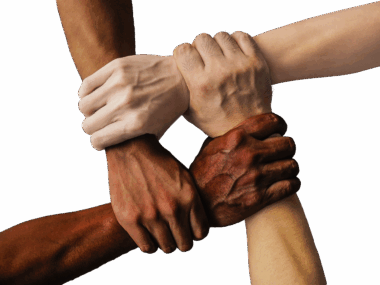
Social support plays a paramount role in enhancing mental health and improving fitness outcomes. Individuals who actively engage in fitness programs often require support from others to effectively manage stress and emotional struggles. These networks include friends, family, and fitness peers who all contribute to maintaining motivation. When participants feel encouraged and understood within their social circles, they are more likely to continue their exercise routines. The psychological benefits of such connections go beyond physical health as they foster resilience, providing tools to combat feelings of loneliness and anxiety. Physical fitness becomes a communal goal rather than a solitary activity, significantly lessening the burden of mental disorders. Furthermore, sharing progress and setbacks with others helps normalize challenges faced during fitness journeys. This sense of shared experience can enhance one’s resilience against mental health issues, delivering a powerful message about the importance of community. Thus, incorporating social support into fitness programs becomes crucial for anyone grappling with mental disorders, illuminating the path toward recovery through collective encouragement. All participants can thrive when they uplift one another in this shared endeavor towards wellbeing and fitness motivation.
Fitness programs tailored for individuals experiencing mental disorders should intentionally integrate elements of social support. This involves creating an environment where connection is prioritized, fostering communication among participants and trainers alike. Structured group activities can be particularly effective, allowing individuals to form friendships while they progress through their fitness regimes. Establishing partnerships within groups can encourage accountability, as members hold each other to their commitments. The effectiveness of these programs relies heavily on the atmosphere crafted by trainers and participants who model positive social interaction. Additionally, discussing personal accomplishments and obstacles in a group setting tends to reinforce individual efforts and increase motivation levels. Individuals may find solace in hearing how others face similar challenges, reducing any stigma surrounding mental health struggles. Importantly, community workshops that emphasize both fitness and mental health education can enhance understanding of the bidirectional relationship between physical activity and mental well-being. As individuals actively partake in such enriching experiences, they gain valuable tools for coping, empowering them in their overall therapeutic journey. Social support ultimately creates a positive feedback loop, where fitness achievements and mental health improvements mutually strengthen one another for long-term success.
Building Robust Support Systems
To create a truly impactful fitness program aimed at enhancing mental health, robust support systems must be established. This includes exploring diverse methods for individuals to connect with one another. Support can be derived from various activities, such as guided group workouts, motivational sessions, or even casual social gatherings within a fitness setting. Technologies such as fitness apps and online platforms can further amplify these connections, allowing participants to share progress and offer encouragement remotely. This is particularly vital for those who might feel isolated due to their mental health challenges. Implementing consistent check-ins also reinforces participant engagement, ensuring that no one feels overlooked. Regular assessments can help trainers identify individuals in need of additional support while fostering a culture of inclusion. Important to consider is the understanding that each participant has unique needs, and tailoring support accordingly can lead to enhanced outcomes. By building multifaceted support networks, individuals can feel a sense of belonging that motivates them to improve both their fitness levels and their emotional resilience. As a result, these networks become cornerstones for effective mental health treatment, transforming lives one supportive interaction at a time.
Incorporating peer-led activities into fitness programs offers an excellent avenue for enhancing social support. Peer mentors who have overcome similar challenges can inspire and motivate others through relatable experiences. These role models contribute positively to group dynamics, encouraging participants to persist with their fitness goals. Activities can include group exercises, motivational talks, or sharing personal progress stories that reinforce the community bond. As these relationships deepen, individuals often report feeling more inclined to engage in physical fitness. Not only does this approach provide structured support, but it also adds a personal touch, making program participation more enjoyable and meaningful. Additionally, training facilitators to recognize the importance of peer interactions enhances the overall effectiveness of support systems. Recognizing milestones and achievements within a supportive network can significantly boost self-esteem and foster a culture of celebration among participants. Ultimately, enabling social connections through peer mentorship equips individuals with tools they need for lasting mental wellness. These initiatives must be integral to fitness programs designed for those with mental disorders, nurturing a supportive environment where every individual can flourish on their fitness journey.
Long-Term Engagement and Retention
One of the greatest challenges facing fitness programs in mental health treatment is participant retention. Recognizing the impact of social support on long-term engagement can yield significant benefits to mental health recovery. When participants feel connected and supported in their fitness environment, they are more likely to continue their participation, which leads to improved health outcomes. Creating incentives for group participation or rewarding collaboration among participants can further solidify these relationships. Organizing regular social gatherings or fitness outings can strengthen the community, enhancing individuals’ commitment to these programs. Continuous social engagement is critical as it provides a framework through which individuals can share their journeys and remain accountable for their goals. Moreover, establishing a culture of appreciation and connection among participants creates a space where individuals thrive in their fitness pursuits. Ultimately, as participants find joy and fulfillment in their interactions, they form deeper ties to their fitness endeavors. This sense of connection translates into sustained involvement in fitness programs, promoting both physical health and mental wellbeing over time, thus maximizing the therapeutic potential of exercise.
Research has consistently shown that social support positively influences outcomes for individuals with mental disorders within fitness programs. Studies reveal that those who have strong support systems tend to stick to their fitness regimes longer and experience more significant psychological benefits. Active peer participation eases feelings of anxiety and isolation, fostering a climate where individuals feel safe sharing vulnerabilities. Encouraging participants to openly discuss their struggles can be vital in processing their mental health challenges, as it validates their experiences. Sessions led by trained facilitators can foster these discussions, guiding participants toward healthy coping strategies. Additionally, building training programs based on member feedback assures participants that their voices are valued and heard. This collaborative approach helps create an adaptive program structure that better serves the needs of all participants. By harnessing the power of collective experience and empathy, fitness programs can significantly influence the mental health landscape. This acknowledgment of social support mechanisms can ultimately serve as a game-changer for those battling mental health disorders, driving sustained progress in their fitness and overall wellbeing.
Conclusion: A Community Approach to Mental Health
Adopting a community-driven approach is essential to making fitness programs effective for mental health treatment. Every individual’s journey is unique, yet common threads of shared experience can empower every participant in overcoming their hurdles. Integrating social support into fitness initiatives thus becomes paramount, creating a web of connections that promote healing and resilience. Individuals not only benefit from the physical aspects of fitness but also embrace the enriching benefits offered by both peer support and group camaraderie. When programs emphasize community involvement, participants can experience profound growth in both their mental and emotional health. This collective experience amplifies motivation and encourages shared responsibility, ultimately leading to improved fitness outcomes. A strong network around each individual can facilitate accountability and prolong engagement in fitness activities. As we progress towards more inclusive wellness strategies, it’s crucial to recognize the vital impact of social support in fostering recovery from mental disorders. Thus, implementing these networks not only enhances fitness programs but also creates a healthier society where everyone can thrive together, underscoring the need for unity in mental health treatment.
Final Thoughts
The integration of social support within fitness programs offers significant advantages for individuals coping with mental health challenges. By fostering connections, encouraging open communication, and promoting shared experiences, we can enhance recovery through innovative approaches. Utilizing support systems facilitates personal growth and lends emotional strength to all participants engaged in fitness activities. To thrive, individuals need a holistic approach focusing on both mental and physical wellness. Therefore, fitness programs designed with these principles in mind are not only effective but essential for comprehensive mental health treatment. Creating spaces where everyone feels welcome and empowered will shape a healthier future for all.